

What is a Lithium Iron Carbonate Material Handling System? And What Are Its Design Principles?
Lithium iron carbonate (LFP) is a vital component in contemporary lithium-ion battery production, prized for its stability, cost-effectiveness, and eco-friendly attributes. As the demand for LFP batteries expands across electric vehicles, renewable energy storage, and portable electronics, efficient material handling systems become indispensable for optimizing production workflows. This article delves into the concept of a lithium iron carbonate material handling system, outlining its design principles and the role of specialized engineering solutions in streamlining battery material processing.
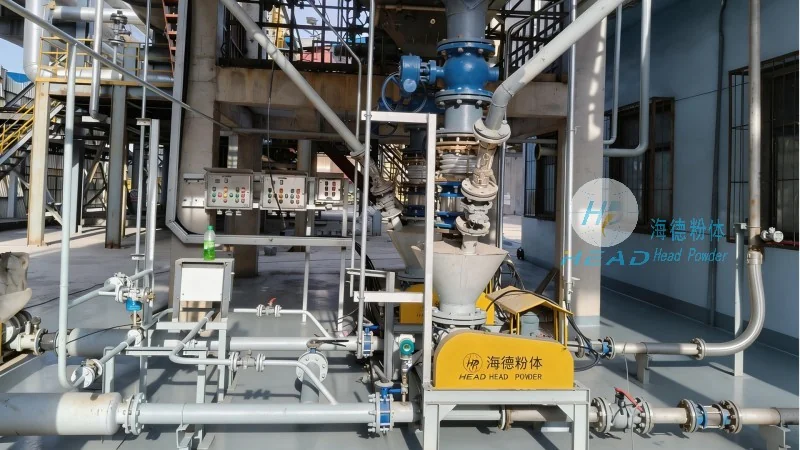
HeadPowder: A Leader in Material Handling Solutions
Shandong HeadPowder Engineering Co., Ltd., commonly known as HeadPowder, is a prominent provider of advanced material handling systems tailored for the battery and chemical sectors. With operations based in Shandong, China, HeadPowder leverages decades of experience in mechanical engineering and process optimization to deliver customized solutions that meet the unique demands of LFP material processing. The company’s expertise lies in integrating robust, reliable equipment with intelligent control systems to ensure safe, efficient, and scalable material transport throughout the production lifecycle.
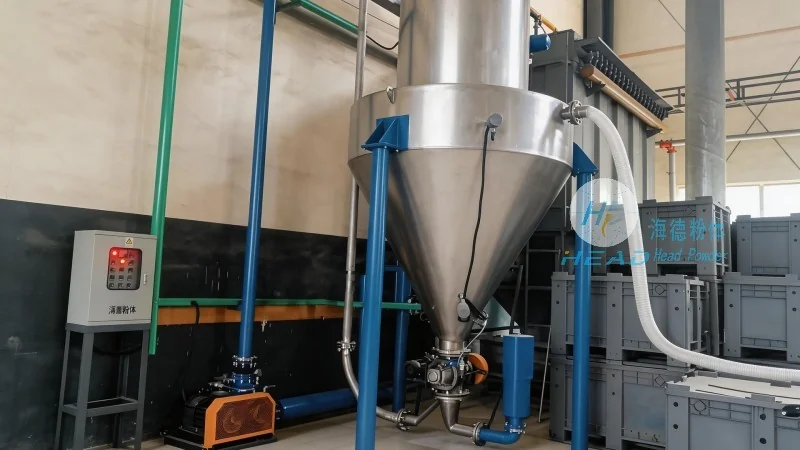
Core Components of a Lithium Iron Carbonate Material Handling System
The design of a lithium iron carbonate material handling system typically involves several key components, each engineered to address specific challenges in handling fine powders and granules. These components include: feeders, conveyors, storage silos, and processing units, all working in concert to maintain material flow, prevent contamination, and ensure consistent quality. Feeders, such as rotary or vibratory types, are used to regulate the flow of LFP material from storage to processing equipment. Conveyors, including screw, belt, or pneumatic systems, transport the material to various stages of production, such as mixing, drying, or packaging. Storage silos are designed with aeration and discharge mechanisms to prevent caking and maintain material flowability. Additionally, dust collection and filtration systems are integrated to ensure environmental compliance and worker safety.
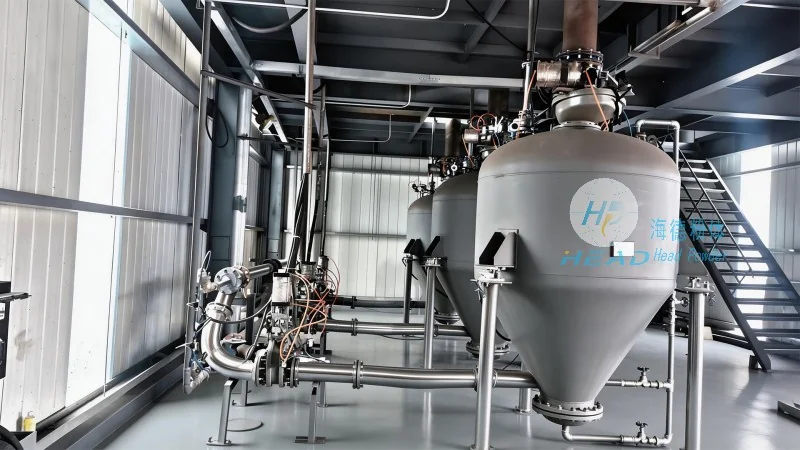
Design Principles for Efficient Material Handling
The design principles of a lithium iron carbonate material handling system prioritize several critical factors: material flow optimization, equipment durability, and process safety. Material flow optimization involves minimizing friction, ensuring consistent particle size distribution, and preventing material buildup or clogging. This is achieved through the selection of appropriate equipment, such as high-capacity conveyors and efficient feeders, and the implementation of proper maintenance schedules. Equipment durability is essential due to the abrasive nature of LFP powders, which can cause wear on metal components. HeadPowder’s systems incorporate corrosion-resistant materials, such as stainless steel or specialized coatings, to extend the lifespan of equipment and reduce maintenance costs. Process safety is a top priority, with systems designed to prevent dust explosions, overfilling, and material spills. This includes the use of explosion-proof motors, dust suppression systems, and emergency shut-off mechanisms.
Integration of Control and Automation
Modern lithium iron carbonate material handling systems often incorporate advanced control and automation technologies to enhance efficiency and reduce human error. These systems typically use programmable logic controllers (PLCs) and human-machine interfaces (HMIs) to monitor and control the entire process. Sensors, such as level detectors, flow meters, and temperature sensors, provide real-time data on material levels, flow rates, and environmental conditions. This data is used to adjust equipment settings dynamically, ensuring optimal performance and preventing downtime. Automation also improves safety by reducing the need for manual handling of hazardous materials and by enabling quick response to emergencies. HeadPowder’s systems are designed to be scalable, allowing for future expansion as production volumes increase.
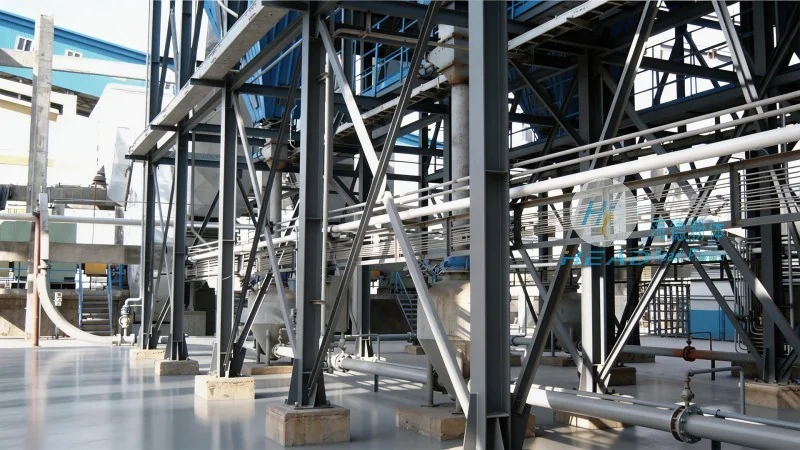
Benefits of a Well-Designed Material Handling System
Implementing a well-designed lithium iron carbonate material handling system offers numerous benefits for battery manufacturers. These include increased production efficiency, reduced material waste, and improved product quality. By ensuring consistent material flow and preventing contamination, the system helps maintain stable battery performance and reduces the risk of defects. Additionally, the integration of automation and control systems minimizes labor costs and improves worker safety. The durability of the equipment reduces maintenance downtime, leading to higher overall equipment effectiveness (OEE). For companies like HeadPowder, these benefits translate into a competitive advantage in the rapidly growing battery market.