

What is a White Carbon Black Powder Material Handling System? And What Are Its Design Principles?
White carbon black, also known as silica, is a widely used industrial material in various sectors such as rubber, plastics, and coatings. The efficient and safe handling of white carbon black powder is crucial for industrial production processes. This article introduces the white carbon black powder material handling system and its design principles, providing a comprehensive overview of the technology and its applications.
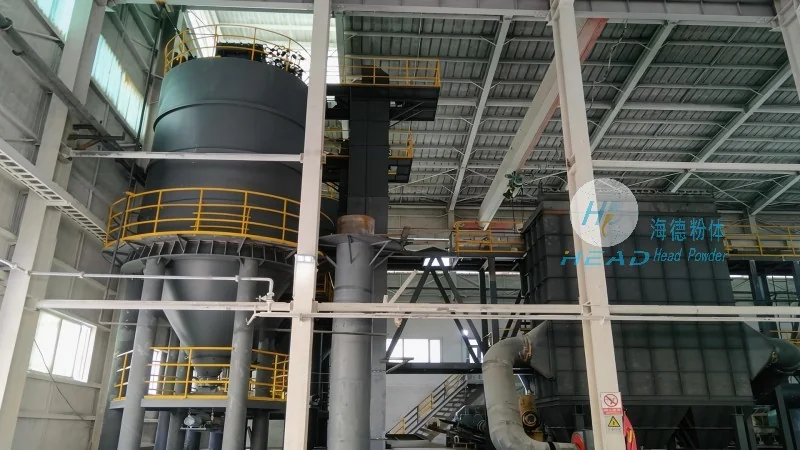
Introduction to White Carbon Black Powder Material Handling Systems
White carbon black powder material handling systems are specialized equipment designed to transport, store, and process white carbon black powder in industrial settings. These systems are essential for ensuring the smooth operation of production lines, maintaining product quality, and enhancing workplace safety. The systems typically include components such as hoppers, conveyors, dust collectors, and control panels, all working in tandem to achieve efficient material flow.
Key Components of the Material Handling System
The white carbon black powder material handling system consists of several critical components that work together to facilitate the movement and management of the powder. The primary components include:
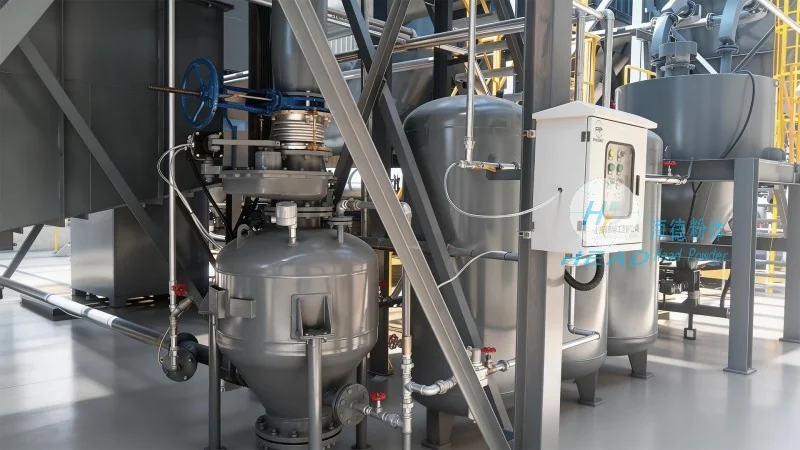
- Feed Hopper: A container used to store and feed the white carbon black powder into the system. The hopper is designed with a sloped bottom to ensure uniform material flow and prevent clogging.
- Pneumatic Conveying System: This is a common method for transporting white carbon black powder over long distances. It uses compressed air to create a flow of powder through pipes, ensuring minimal dust generation and efficient material transfer.
- Rotary Valve: A device used to control the flow of powder from the hopper to the conveying system. It acts as a gate, allowing precise control over the material discharge rate.
- Dust Collector: Essential for maintaining air quality and preventing dust contamination. The dust collector captures airborne particles and returns them to the system, ensuring a clean working environment.
- Control Panel: An interface that allows operators to monitor and control the system's operations. It includes sensors and indicators to detect system status, such as pressure, flow rate, and material levels.
Design Principles of the Material Handling System
The design of a white carbon black powder material handling system follows several key principles to ensure efficiency, safety, and reliability. These principles include:
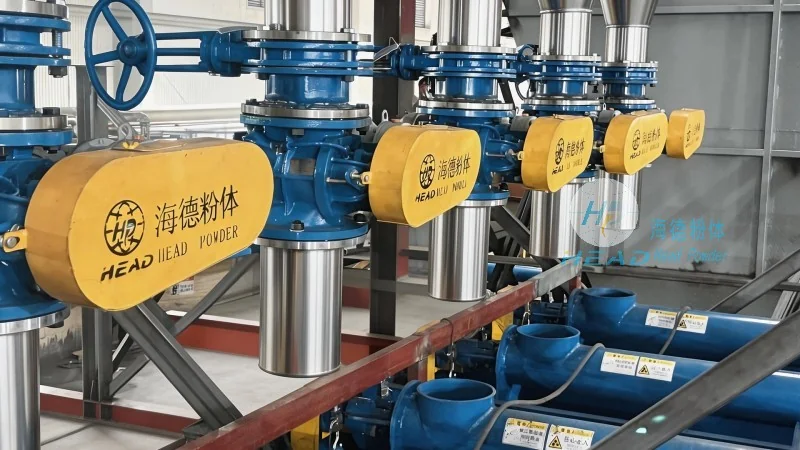
- Airflow Optimization: The system is designed to maintain a consistent and controlled airflow to prevent dust accumulation and ensure smooth material transport. Proper airflow management reduces the risk of clogging and improves system performance.
- Material Compatibility: The components of the system are selected to be compatible with white carbon black powder, considering its properties such as particle size, moisture content, and chemical stability. Materials like stainless steel and special coatings are often used to prevent corrosion and material buildup.
- Prevention of Static Electricity: White carbon black powder is prone to generating static electricity, which can cause dust explosions or material sticking. The system incorporates anti-static measures, such as grounding and conductive materials, to mitigate these risks.
- Modular Design: The system is often designed as a modular unit, allowing for easy installation, maintenance, and expansion. This flexibility enables customization to meet specific production requirements and future growth needs.
- Energy Efficiency: Modern material handling systems are designed to minimize energy consumption while maintaining performance. Features like variable speed drives and optimized airflow help reduce operational costs and environmental impact.
Applications and Benefits of the Material Handling System
The white carbon black powder material handling system is widely used in various industries, including rubber manufacturing, plastic processing, and coating production. The benefits of implementing such a system include:
- Improved Product Quality: By ensuring consistent and uniform material flow, the system helps maintain the quality of the final product, reducing variations in properties like viscosity and strength.
- Enhanced Safety: The system's design minimizes dust exposure and prevents the accumulation of explosive materials, creating a safer working environment for employees.
- Increased Efficiency: The automated control and optimized material flow reduce labor costs and improve production throughput, leading to higher productivity.
- Reduced Maintenance: The modular and robust design of the system reduces the frequency of maintenance and repairs, lowering long-term operational costs.
Conclusion
In conclusion, the white carbon black powder material handling system is a critical component of modern industrial operations. Its design principles focus on efficiency, safety, and reliability, ensuring the smooth and safe handling of white carbon black powder. Companies like Shandong HeadPowder Engineering Co., Ltd., based in China, specialize in providing such systems tailored to the specific needs of their clients. By investing in a well-designed material handling system, industries can enhance their production capabilities, improve product quality, and maintain a safe working environment.