

What is a Plastic Pellet Material Handling System? And What Are Its Design Principles?
Plastic pellet material handling systems are fundamental to the manufacturing and processing industries, especially within the plastic production sector. These systems are engineered to efficiently transport, store, and manage plastic pellets from raw material input to processing equipment. Grasping the components and design principles of such systems is crucial for optimizing production efficiency and ensuring consistent material flow.
Introduction to Plastic Pellet Material Handling Systems
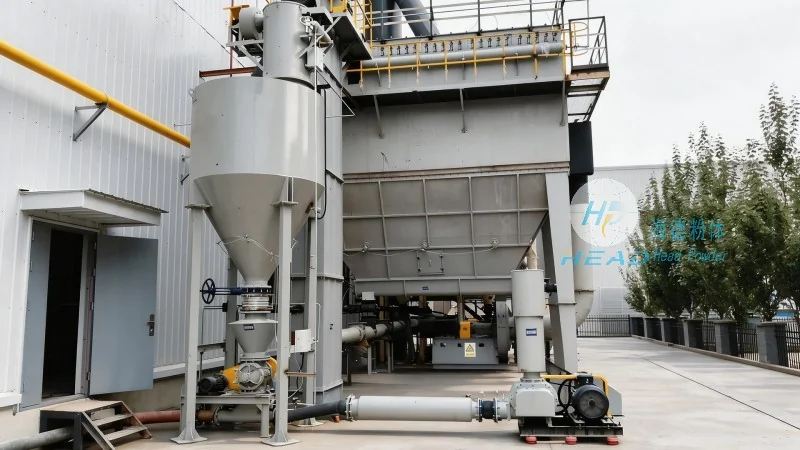
A plastic pellet material handling system is a comprehensive setup that integrates various equipment and mechanisms to handle plastic pellets. These systems are typically employed in plastic extrusion, injection molding, and other manufacturing processes where plastic pellets serve as the primary raw material. The system's primary functions encompass conveying, storing, and feeding plastic pellets to the processing machinery. The design of these systems is tailored to meet the specific requirements of the production line, such as material type, processing speed, and environmental conditions.
Understanding the Core Components of a Material Handling System for Plastic Pellets
The core components of a plastic pellet material handling system include feeders, conveyors, storage hoppers, and control systems. Feeders are responsible for delivering plastic pellets from storage containers to the conveyor system. Common types of feeders include vibratory feeders, screw feeders, and rotary valves, each designed to handle different pellet sizes and flow characteristics. Conveyors, such as belt conveyors, chain conveyors, or pneumatic conveyors, transport the pellets through the production line. Storage hoppers are used to store large quantities of plastic pellets, ensuring a continuous supply to the processing equipment. Control systems manage the entire operation, monitoring flow rates, pressure, and other parameters to maintain optimal performance.
Design Principles for Efficient Plastic Pellet Transport
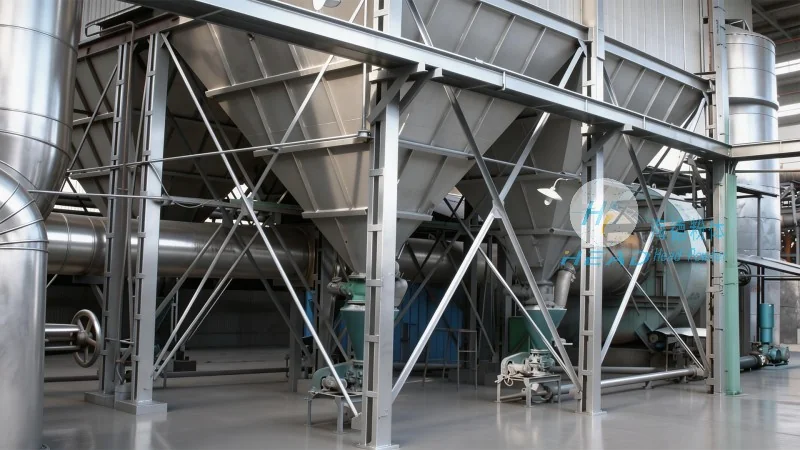
The design principles of a plastic pellet material handling system prioritize efficiency, reliability, and safety. Key design considerations include minimizing material degradation, preventing contamination, and ensuring smooth material flow. The system's layout is typically designed to minimize the distance between storage and processing equipment, reducing handling time and energy consumption. Material selection for components, such as conveyor belts and hoppers, is critical to prevent wear and tear from abrasive plastic pellets. Additionally, the system incorporates features like dust collection and ventilation to maintain a clean and safe working environment.
Key Features and Advantages of the Systems
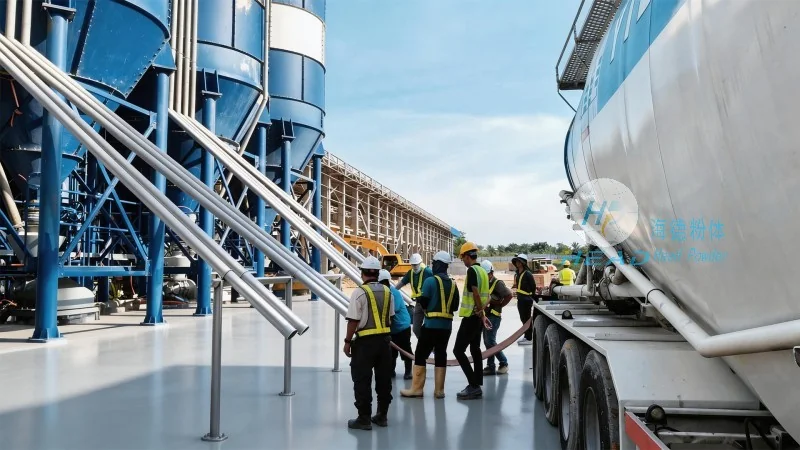
Modern plastic pellet material handling systems offer several key features that enhance operational performance. These include adjustable flow rates, which allow for precise control over the amount of material fed to the processing equipment. The systems also feature automated control, reducing the need for manual intervention and improving consistency. Another advantage is the ability to integrate with other production systems, such as inventory management and quality control, creating a seamless workflow. The robust construction of these systems ensures durability and long-term reliability, reducing maintenance costs and downtime.
Application Scenarios and Industry Relevance
Plastic pellet material handling systems are widely utilized in various industries, including packaging, automotive, and construction. In the packaging industry, these systems are used to transport plastic pellets to injection molding machines for the production of plastic containers and bottles. In the automotive sector, they are employed in the manufacturing of plastic parts for vehicles, such as interior components and exterior trim. The construction industry utilizes these systems for producing plastic pipes and other building materials. The versatility and efficiency of plastic pellet material handling systems make them indispensable in modern manufacturing processes, contributing to increased productivity and reduced operational costs.