

What is a Desulfurizer Material Handling System? What are the Design Principles?
Desulfurizer material handling systems are critical components in industrial processes, particularly in power generation and chemical manufacturing where sulfur removal is essential for environmental compliance and operational efficiency. These systems are engineered to transport desulfurizer materials, such as limestone or other reagents, from storage to the point of use in flue gas desulfurization (FGD) units. The design of such systems must balance several key factors, including material properties, process requirements, and operational safety.
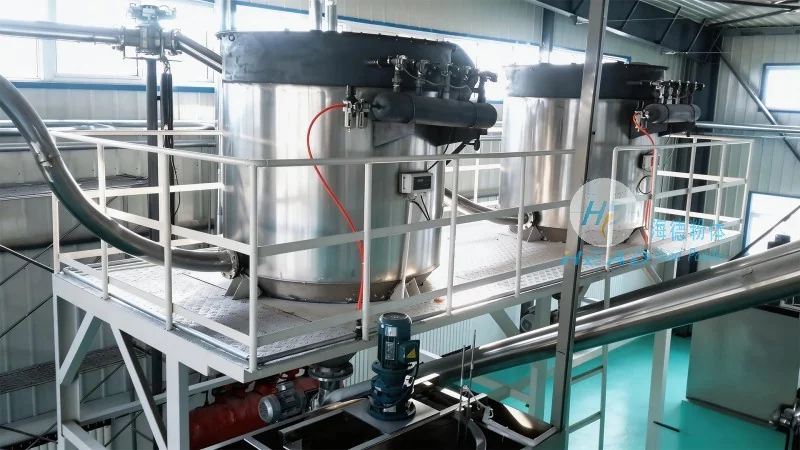
Understanding the Core Components of Desulfurizer Material Handling Systems
At the heart of a desulfurizer material handling system are several interconnected components that work in tandem to ensure reliable material transport. The primary components typically include bulk material storage silos or hoppers, conveying equipment (like belt conveyors, screw conveyors, or pneumatic systems), feeding mechanisms, and control systems. Each component is selected based on the specific characteristics of the desulfurizer material—such as its bulk density, flowability, and moisture content—as well as the system's capacity and operational environment.
Design Principles for Efficient Material Handling
The design principles for desulfurizer material handling systems focus on maximizing efficiency, minimizing downtime, and ensuring safety. One of the most critical principles is the selection of appropriate conveying equipment. For example, belt conveyors are commonly used for dry, free-flowing materials due to their high capacity and ability to handle long distances. Screw conveyors, on the other hand, are ideal for materials with higher moisture content or those that require more precise control over the flow rate. Pneumatic systems, while more complex, are suitable for fine powders that are prone to dusting or require dust control measures.
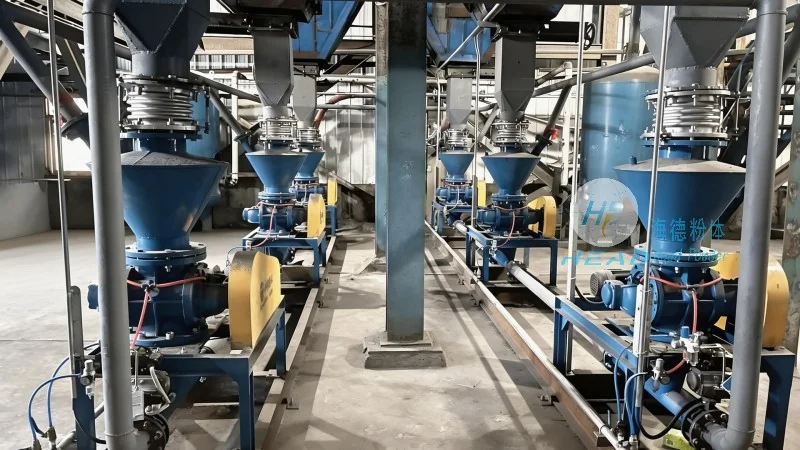
Material Flow and Storage Considerations
Effective material handling also depends on proper storage and flow management. Desulfurizer materials are often stored in large silos or hoppers to maintain a consistent supply. The design of these storage vessels must account for the material's bulk density and flow characteristics to prevent issues like bridging or rat-holing, which can lead to blockages and system failures. Additionally, the storage system should be equipped with level sensors and alarms to monitor inventory levels and alert operators when material is low.
Control and Automation in Desulfurizer Systems
Modern desulfurizer material handling systems are increasingly equipped with advanced control and automation features to enhance operational efficiency and reduce human error. These systems often integrate with the overall plant control system, allowing for real-time monitoring of material flow rates, pressure, and temperature. Automation can include variable speed drives for conveyors, which adjust the flow rate based on demand, and automatic feeding mechanisms that maintain consistent material supply to the FGD unit. This integration ensures that the system operates optimally, minimizing energy consumption and maximizing material utilization.
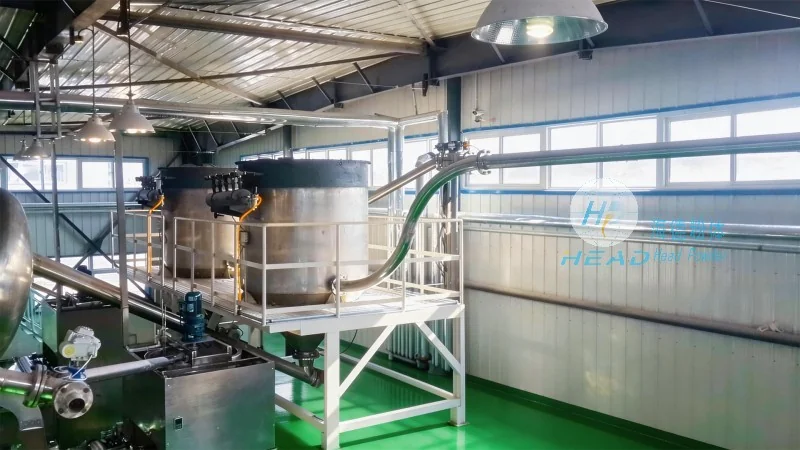
Safety and Environmental Considerations
Given the nature of desulfurizer materials, which may be dusty or contain chemicals, safety is a paramount concern in system design. Proper dust control measures, such as enclosures, filters, and ventilation systems, are essential to prevent airborne contamination and protect personnel. Additionally, the system must be designed to handle potential spills or leaks, with containment and emergency shut-off mechanisms in place. Environmental considerations also play a role, as the system must minimize emissions and comply with local regulations regarding dust and particulate matter.
HeadPowder Engineering: Expertise in Desulfurizer Material Handling
Shandong HeadPowder Engineering Co., Ltd. specializes in the design, manufacturing, and installation of desulfurizer material handling systems tailored to the unique needs of industrial clients. With years of experience in the power and chemical sectors, HeadPowder has developed a deep understanding of the challenges associated with material handling in FGD processes. The company's approach emphasizes customized solutions that address specific material properties, process requirements, and operational constraints, ensuring that each system is optimized for maximum efficiency and reliability.
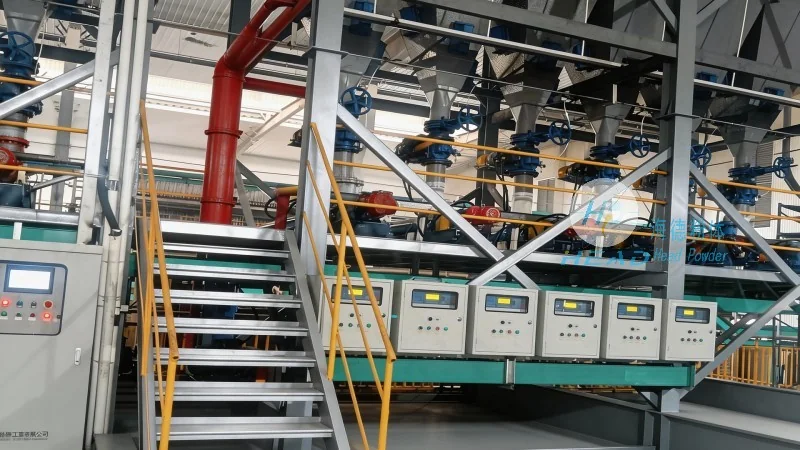
HeadPowder's team of engineers and technicians work closely with clients to assess their material handling needs, from initial design and engineering to final installation and commissioning. The company utilizes advanced design software and simulation tools to model system performance and identify potential issues before construction begins. This proactive approach helps to minimize risks and ensure that the final system meets all operational and safety standards.
HeadPowder's desulfurizer material handling systems are built to withstand the harsh conditions of industrial environments, with robust construction and durable materials that resist corrosion and wear. The company's commitment to quality is reflected in its adherence to international standards and rigorous testing protocols. By partnering with HeadPowder, clients can rely on a reliable and efficient material handling solution that supports their desulfurization processes and contributes to overall operational success.