

What is an Automatic Tote Bag Feeding Material Conveying Equipment? What are its Design Principles?
When it comes to efficient material handling in industrial settings, the automatic tote bag feeding material conveying equipment has emerged as a crucial solution for businesses seeking to streamline their operations. This specialized machinery is designed to automate the process of transferring bulk materials from tote bags into processing lines, offering significant advantages in terms of speed, accuracy, and labor savings. Understanding the functionality and design principles of such equipment is essential for industries that rely on consistent and reliable material flow.
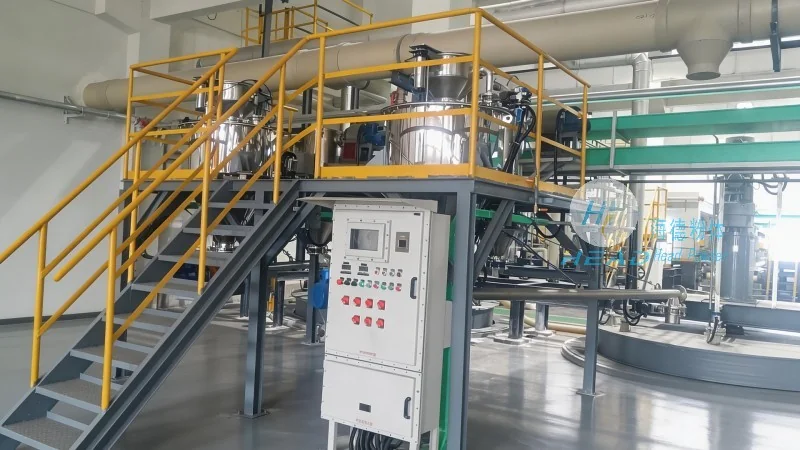
Introduction to Automatic Tote Bag Feeding Material Conveying Equipment
The automatic tote bag feeding material conveying equipment, often referred to as a tote bag unloader or bulk material handling system, is a sophisticated piece of industrial machinery engineered to handle the transfer of bulk materials from flexible tote bags into conveyor systems, silos, or processing equipment. This equipment is particularly valuable in sectors such as chemical, food, pharmaceutical, and mining, where large volumes of powders, granules, or bulk solids need to be moved efficiently and safely. The primary goal of this system is to eliminate manual labor associated with material handling, reduce the risk of product contamination, and enhance overall operational efficiency.
Key Components and Functionalities
At the core of an automatic tote bag feeding material conveying equipment are several key components that work in tandem to ensure smooth operation. These components typically include a tote bag lifting mechanism, a discharge valve or spout, a conveyor system, and a control panel. The lifting mechanism, often a hydraulic or pneumatic system, is responsible for lifting the tote bag off the ground and positioning it over the discharge spout. Once positioned, the discharge valve opens, allowing the material to flow into the conveyor or processing line. The conveyor system then transports the material to its intended destination, such as a silo or a mixer. The control panel provides operators with the ability to monitor and adjust the equipment's settings, ensuring optimal performance and safety.
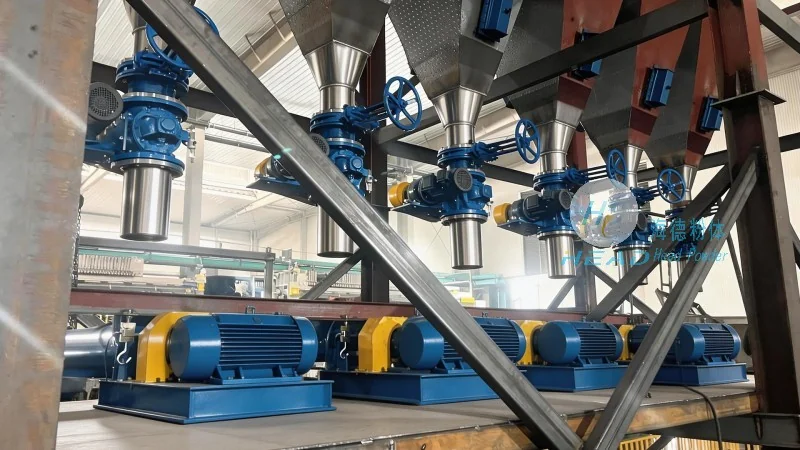
Design Principles Behind the Equipment
The design principles of automatic tote bag feeding material conveying equipment are centered on efficiency, safety, and adaptability. Engineers focus on creating a system that can handle a wide range of material types and bag sizes while maintaining high throughput rates. One critical design principle is the use of airtight and sealed systems to prevent material spillage and contamination, which is especially important in industries like food and pharmaceuticals. Another key principle is the integration of safety features, such as emergency stop buttons and overload protection, to safeguard both the equipment and the operators. Additionally, the design emphasizes ease of maintenance and cleaning, as these systems often need to be sanitized between batches in industries like food processing.
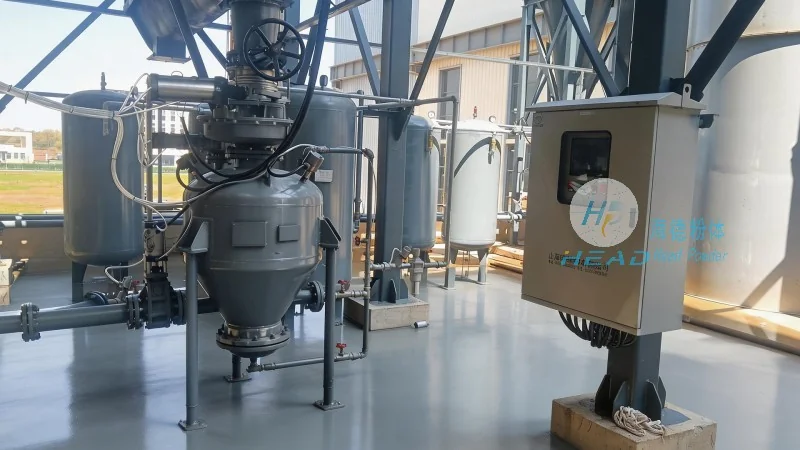
Advantages of Using Automatic Tote Bag Feeding Material Conveying Equipment
Implementing an automatic tote bag feeding material conveying system offers numerous benefits to industrial operations. Firstly, it significantly reduces labor costs by automating the manual process of unloading tote bags, which can be physically demanding and time-consuming. Secondly, it minimizes the risk of material loss and contamination, as the system is designed to handle materials in a controlled environment. Thirdly, the equipment enhances production efficiency by ensuring a consistent and continuous flow of materials, which is essential for maintaining production schedules. Furthermore, the system can be integrated with other processing equipment, creating a seamless material handling workflow. Lastly, the automation reduces human error, leading to more accurate measurements and consistent product quality.
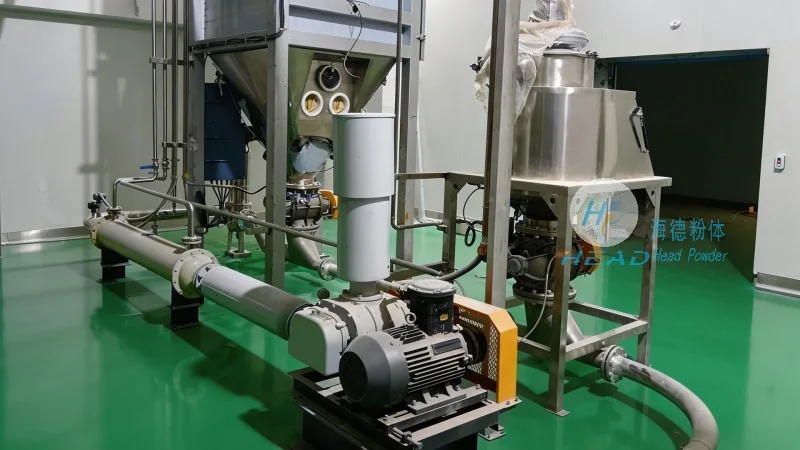
Application in Different Industries
The versatility of automatic tote bag feeding material conveying equipment makes it applicable across various industries. In the chemical industry, it is used to transfer bulk chemicals from tote bags into reactors or storage tanks. In the food industry, it handles ingredients like flour, sugar, or spices, ensuring they are transferred without contamination. The pharmaceutical industry utilizes this equipment for handling raw materials and active pharmaceutical ingredients (APIs), maintaining strict hygiene standards. In the mining sector, it is employed to move bulk minerals and ores from tote bags into processing plants. Each industry benefits from the equipment's ability to handle different material properties, such as moisture content, particle size, and bulk density.
Conclusion and Company Overview
Automatic tote bag feeding material conveying equipment represents a significant advancement in industrial material handling, offering businesses a reliable and efficient solution to their bulk material transfer needs. The design principles behind this equipment focus on automation, safety, and adaptability, ensuring it can meet the diverse requirements of various industries. As industries continue to seek ways to improve operational efficiency and reduce costs, such equipment remains a valuable investment. Shandong HeadPowder Engineering Co., Ltd., a leading manufacturer in this field, specializes in designing and manufacturing high-quality automatic tote bag feeding systems tailored to the specific needs of different industries. With its headquarters in Shandong, China, the company leverages advanced engineering and manufacturing capabilities to deliver equipment that meets international standards and enhances customer productivity.