

What is Heavy Calcium Material Handling Equipment? What Are Its Design Principles?
Heavy calcium material handling equipment plays a crucial role in the industrial processing of calcium carbonate, particularly in the production of heavy calcium carbonate (HCC). This equipment is specifically designed to handle, transport, and process heavy calcium materials efficiently, ensuring smooth operations in various industrial applications. Understanding the design principles and functionality of such equipment is essential for optimizing production processes and maintaining high standards of material quality.
Key Components and Design Principles of Heavy Calcium Material Handling Equipment
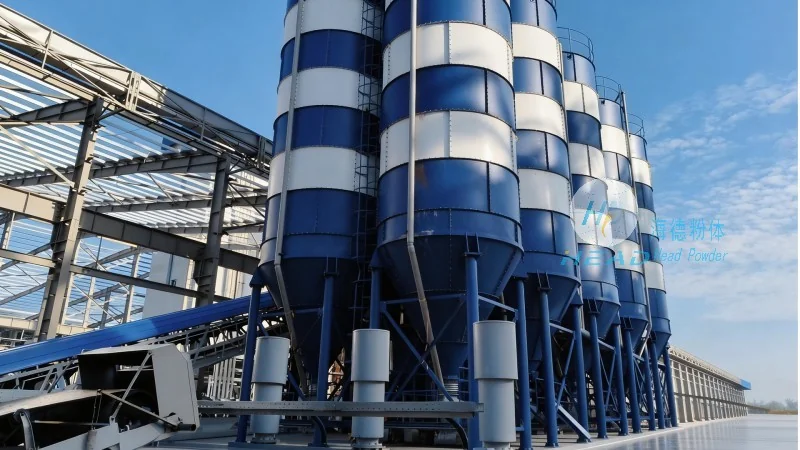
The design of heavy calcium material handling equipment is centered around several key components that work in tandem to achieve efficient material handling. These components include feeders, conveyors, storage silos, and processing units, each engineered to handle the specific characteristics of heavy calcium materials. The design principles focus on durability, efficiency, and safety, ensuring that the equipment can withstand the abrasive nature of calcium carbonate particles while maintaining consistent performance over long operational periods.
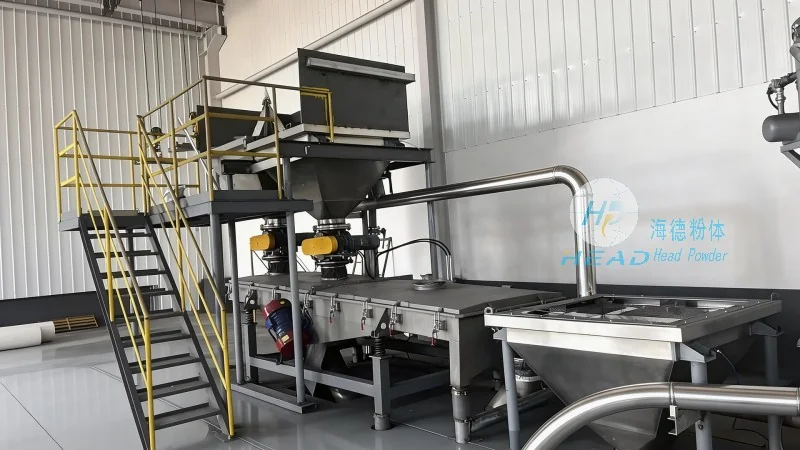
Feeding mechanisms are a critical part of the equipment, as they ensure uniform material flow into the processing system. These mechanisms often use screw feeders or vibrating feeders, which are designed to handle the bulk density and flow characteristics of heavy calcium powders. The feeders are typically equipped with adjustable speed controls to regulate the material flow rate, allowing for precise control over the processing parameters. This adjustability is vital for maintaining consistent product quality and preventing overloading or underloading of the downstream equipment.
Conveyors are another essential component, responsible for transporting heavy calcium materials from one processing stage to another. Belt conveyors and bucket elevators are commonly used in these systems. Belt conveyors are ideal for horizontal or slightly inclined transport, while bucket elevators are suitable for vertical or steep incline applications. The design of these conveyors considers factors such as material abrasiveness, load capacity, and the need for minimal material degradation. For example, the belts are often made from high-quality rubber or polyurethane to resist wear from calcium carbonate particles, and the conveyor frames are constructed from robust materials like steel to ensure structural integrity.
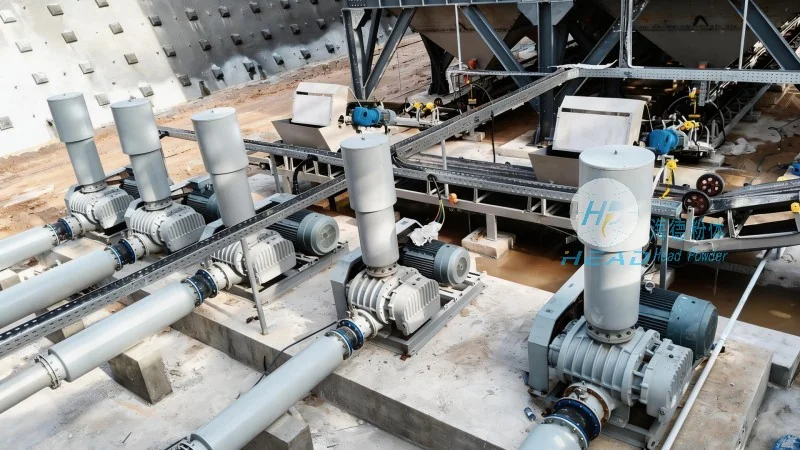
Storage silos are integrated into the system to provide a buffer for raw materials, ensuring a continuous supply to the processing units. These silos are designed with aeration systems to prevent material caking and maintain consistent material flow. The aeration systems use fans and ducts to circulate air through the material, breaking up any agglomerates and ensuring uniform material distribution. The silos are also equipped with level sensors to monitor the material inventory, alerting operators when the level is low and requiring replenishment. This integration helps in maintaining a steady production flow and reducing downtime due to material shortages.
Processing units, such as grinding mills and classifiers, are the core components where the heavy calcium materials are transformed into the desired particle size. The design of these units focuses on achieving high grinding efficiency and fine particle size control. Grinding mills, like ball mills or vertical roller mills, are used to reduce the particle size of the raw heavy calcium materials. The design of these mills includes features like optimized grinding media, adjustable grinding pressure, and efficient cooling systems to prevent overheating and maintain consistent grinding performance. Classifiers, such as air classifiers or hydrocyclones, are then used to separate the ground particles based on their size, allowing for the production of materials with specific particle size distributions. The design of these classifiers ensures high separation efficiency, minimizing the production of oversized or undersized particles.
Applications and Benefits of Heavy Calcium Material Handling Equipment
Heavy calcium material handling equipment is widely used in various industries that rely on calcium carbonate as a key raw material. These industries include the paper, plastics, coatings, and rubber sectors. In the paper industry, heavy calcium is used as a filler to improve the strength and opacity of paper products. The equipment ensures that the heavy calcium is uniformly distributed in the paper pulp, enhancing the overall quality of the final product. In the plastics industry, heavy calcium is used as a cost-effective filler to reduce the weight and cost of plastic products. The equipment helps in achieving a consistent particle size and distribution of the filler, improving the mechanical properties of the plastic products. In the coatings and rubber industries, heavy calcium is used to improve the durability and performance of the final products. The equipment ensures that the heavy calcium is processed to the desired particle size, contributing to the enhanced properties of the coatings and rubber products.
The benefits of using heavy calcium material handling equipment extend beyond just efficient material processing. These systems offer several advantages that contribute to improved operational efficiency and cost savings. One of the key benefits is the reduction in labor costs, as the equipment automates the material handling and processing tasks. This automation allows for fewer operators to manage the entire process, reducing the need for manual labor and associated costs. Another benefit is the improvement in product quality, as the equipment ensures consistent material flow and processing parameters. This consistency leads to products with uniform particle size and composition, meeting the stringent quality standards of various industries. Additionally, the equipment enhances safety in the workplace by minimizing the exposure of operators to heavy calcium powders, reducing the risk of respiratory issues and other health hazards.
The durability and reliability of heavy calcium material handling equipment are also significant advantages. The equipment is designed to withstand the harsh conditions of industrial environments, including high temperatures, abrasive materials, and continuous operation. The use of robust materials, such as stainless steel and high-quality rubber, ensures that the equipment can operate for long periods without significant wear and tear. This durability reduces the need for frequent maintenance and replacement, leading to lower operational costs over the equipment's lifespan. Furthermore, the equipment's design allows for easy maintenance and cleaning, ensuring that the system remains in optimal condition. Regular maintenance, such as checking the conveyor belts, cleaning the grinding mills, and inspecting the aeration systems, helps in preventing breakdowns and extending the equipment's service life.
Conclusion and Company Overview
Heavy calcium material handling equipment is a critical component in the industrial processing of calcium carbonate, enabling efficient and reliable material handling and processing. The design principles and components of these systems are tailored to handle the specific characteristics of heavy calcium materials, ensuring optimal performance and product quality. The equipment's applications span various industries, contributing to the production of high-quality products in sectors such as paper, plastics, coatings, and rubber.