

What Are Coal and Coke Material Handling Equipment? What Are Their Design Principles?
Coal and coke material handling equipment plays a crucial role in the industrial sector, particularly in facilities that process and transport coal and coke. These specialized machines are engineered to efficiently move bulk materials from one location to another, ensuring smooth operations and optimizing productivity. Understanding the types of equipment and their design principles is essential for industries relying on these materials for energy production, steel manufacturing, and other applications.
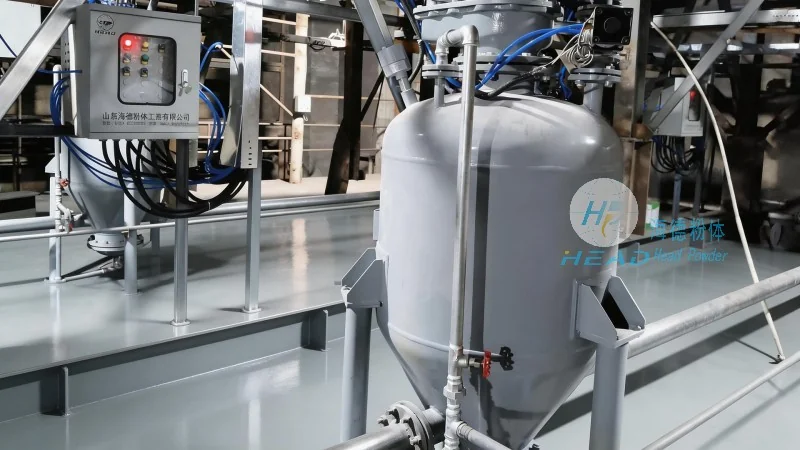
Key Components and Functions of Coal and Coke Material Handling Equipment
Coal and coke material handling equipment typically includes a range of machinery designed to handle, transport, and store these bulk materials. Common components include conveyors, elevators, feeders, and storage silos. Conveyors, such as belt conveyors and screw conveyors, are widely used for horizontal and vertical material transport. Elevators, like bucket elevators and chain conveyors, are essential for vertical movement, often used to lift materials from ground level to higher storage areas. Feeders regulate the flow of material into processing equipment, ensuring consistent and controlled feeding. Storage silos or bunkers are used to store large quantities of coal or coke, providing a buffer for production needs.
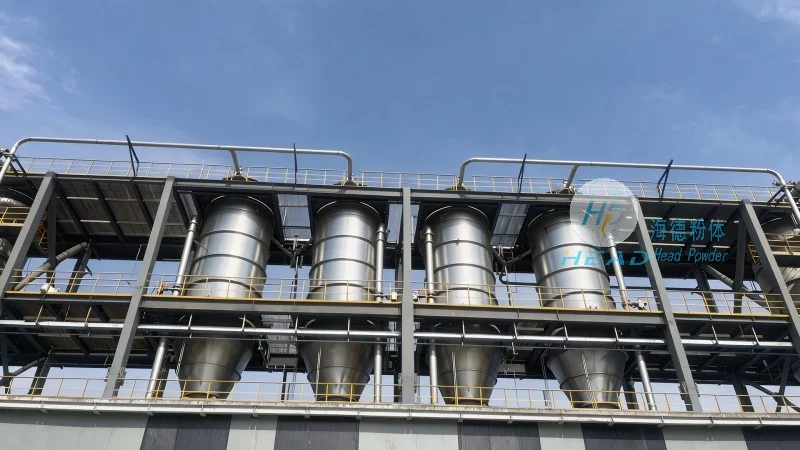
Design Principles for Efficient Material Handling
The design of coal and coke material handling equipment is guided by several key principles to ensure efficiency, durability, and safety. First, the equipment must be robust enough to handle the abrasive nature of coal and coke, which can cause wear and tear on machinery components. Materials like high-strength steel and wear-resistant coatings are commonly used to extend the lifespan of the equipment. Second, the design emphasizes energy efficiency, as continuous operation of these systems can consume significant power. Variable speed drives and optimized conveyor systems help reduce energy consumption while maintaining performance. Third, safety is a top priority, with features like emergency stop buttons, overload protection, and proper guarding to prevent accidents in industrial environments. Additionally, the design considers the specific characteristics of coal and coke, such as their size, density, and moisture content, to ensure optimal performance and minimize material degradation during transport.
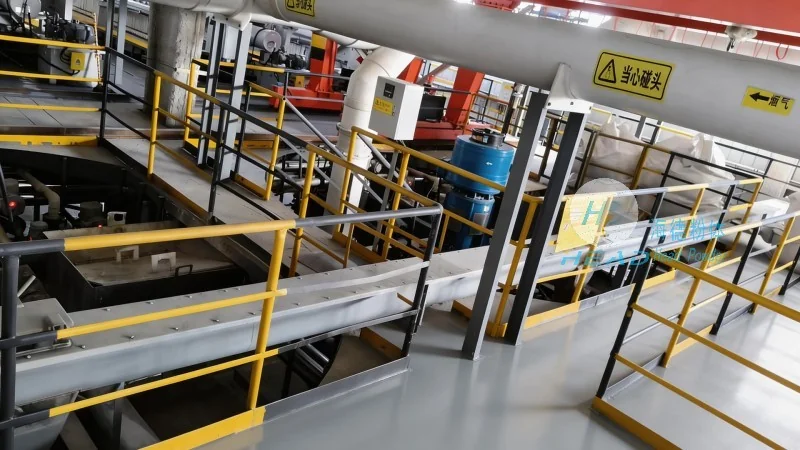
Applications and Industries Utilizing Coal and Coke Material Handling Equipment
Coal and coke material handling equipment is widely used across various industries, with the most prominent being the power generation sector and the steel industry. In power plants, these systems transport coal from storage to boilers for combustion, ensuring a steady supply of fuel. In steel mills, coke is used as a reducing agent in blast furnaces, and the equipment efficiently moves coke from production to storage and then to the furnace. Other applications include mining operations, where coal is extracted from mines and transported to processing facilities, and in cement production, where coal is used as a fuel in kilns. The versatility of coal and coke material handling equipment makes it indispensable in these and other industrial settings.
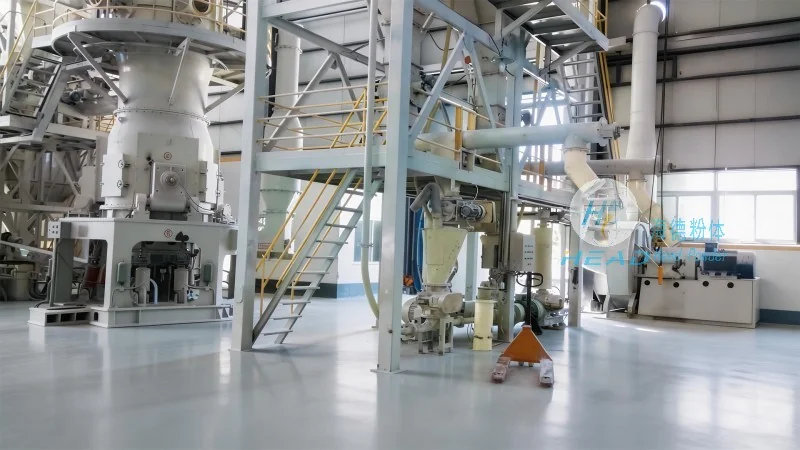
Company Overview: Shandong HeadPowder Engineering Co., Ltd.
Shandong HeadPowder Engineering Co., Ltd., commonly known as HeadPowder, is a leading manufacturer of coal and coke material handling equipment. With a strong presence in China, the company specializes in designing, manufacturing, and supplying high-quality equipment tailored to the needs of various industries. HeadPowder's commitment to innovation and quality has made it a trusted partner for clients seeking reliable and efficient material handling solutions. The company's facilities are located in Shandong, China, where it leverages advanced technology and skilled workforce to produce equipment that meets international standards. By focusing on customer needs and continuous improvement, HeadPowder ensures that its products are not only efficient but also durable and cost-effective, contributing to the success of its clients' operations.