

What is a High-Calcium Powder Material Handling Equipment? And What Are Its Design Principles?
High-calcium powder material handling equipment is a specialized system engineered to transport and manage high-calcium powder materials efficiently. These materials, often used in industrial applications such as cement production, construction, and chemical processing, require precise handling due to their fine particle size and potential for dust generation. The equipment is designed to ensure safe, reliable, and efficient material transfer while minimizing environmental impact and operational risks.
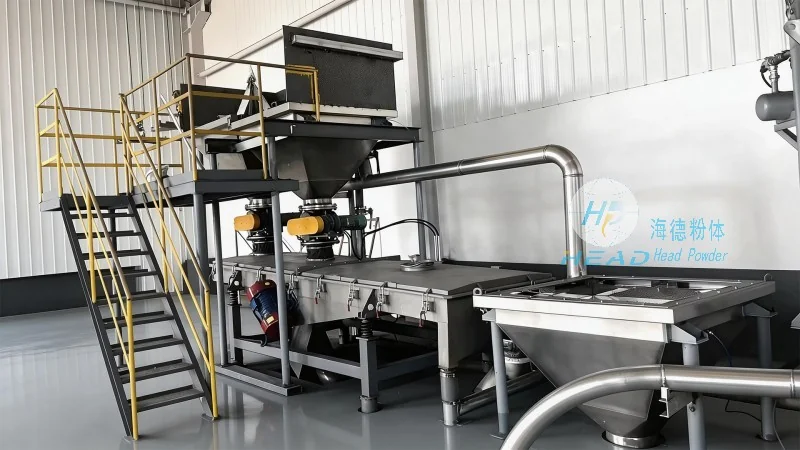
Key Components and Design Principles of High-Calcium Powder Handling Systems
The design of high-calcium powder material handling equipment is centered on several critical principles to address the unique challenges of handling such powders. First, the system must ensure dust control and containment to prevent airborne particulates from spreading, which is crucial for maintaining air quality and worker safety. This is typically achieved through sealed systems, dust collection units, and proper ventilation. Second, the equipment is engineered to handle the abrasive nature of high-calcium powders, which can cause wear on components over time. Materials like stainless steel or specialized coatings are often used for parts that come into direct contact with the powder to extend the equipment's lifespan and maintain performance.
Third, the design prioritizes energy efficiency and operational reliability. High-calcium powder handling systems are often equipped with variable frequency drives (VFDs) to adjust motor speeds based on the material flow rate, reducing energy consumption and wear on the machinery. Additionally, the system's layout is optimized for minimal material buildup and easy maintenance, with features like self-cleaning mechanisms and accessible components that facilitate regular upkeep. The integration of these design elements ensures that the equipment operates smoothly and consistently, even with the demanding characteristics of high-calcium powders.
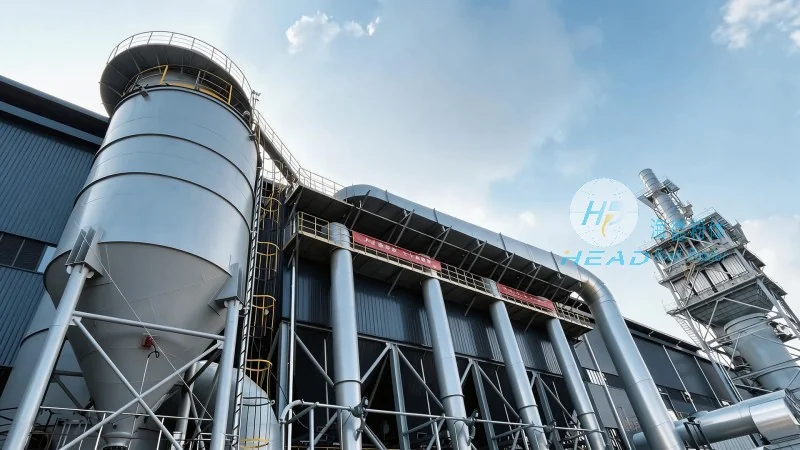
How High-Calcium Powder Handling Equipment Works
High-calcium powder material handling equipment typically operates through a combination of mechanical and pneumatic components. The process begins with the material being fed into a hopper or silo, where it is stored before being transferred to the next stage. From there, the powder is conveyed using methods such as screw conveyors, pneumatic ducts, or bucket elevators, depending on the system's design and the specific requirements of the application. Screw conveyors are commonly used for horizontal or slight incline transport, as they provide a continuous, low-speed movement that minimizes material degradation. Pneumatic systems, on the other hand, use compressed air to transport the powder through pipes, which is ideal for long-distance or vertical transport but requires careful control to prevent pressure fluctuations that could affect material flow.
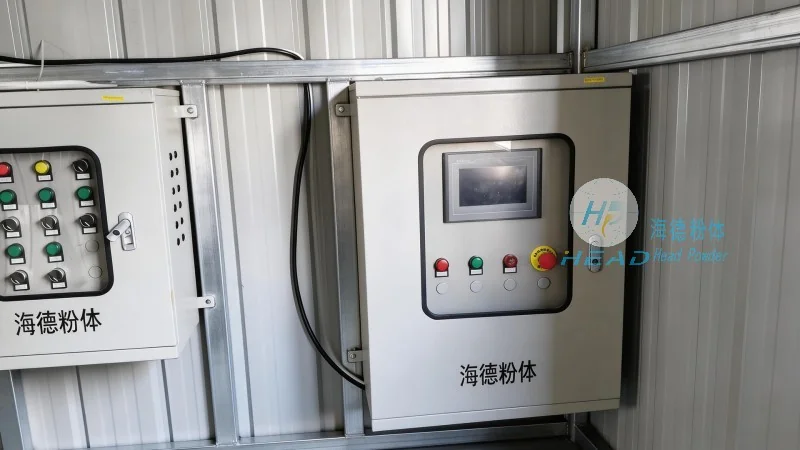
The equipment also includes control systems that monitor and regulate the material flow, ensuring that the process runs smoothly and safely. Sensors are often integrated to detect blockages, overfilling, or other issues, triggering alarms or automatic shutdowns to prevent accidents. Additionally, the system may include mixing or blending components if the high-calcium powder needs to be combined with other materials, such as additives or binders, to achieve the desired properties for the final product.
Applications and Benefits of High-Calcium Powder Handling Equipment
High-calcium powder material handling equipment is widely used in various industries due to its ability to handle the unique properties of high-calcium powders. In the cement industry, for example, these systems are essential for transporting raw materials like limestone and clinker, which are high in calcium content. The equipment ensures that these materials are delivered to the production line in a controlled manner, maintaining the quality and consistency of the cement produced. In construction, high-calcium powders are used as additives in concrete and mortar, and the handling equipment helps in delivering these materials to the job site efficiently, reducing downtime and improving productivity.
Another key benefit of using specialized high-calcium powder handling equipment is the reduction in operational costs and environmental impact. By minimizing dust emissions and optimizing energy usage, companies can lower their environmental footprint while also saving on maintenance and replacement costs over the long term. The equipment's design also enhances worker safety by reducing exposure to airborne particles and providing a controlled environment for material handling. This not only improves the health and well-being of the workforce but also helps companies comply with environmental regulations and industry standards.
Choosing the Right High-Calcium Powder Handling Equipment
When selecting high-calcium powder material handling equipment, several factors must be considered to ensure the best fit for the specific application. First, the material's properties, such as particle size, moisture content, and abrasiveness, play a crucial role in determining the appropriate equipment type. For example, if the powder is very fine and prone to dust, a sealed system with advanced dust control features may be necessary. Second, the system's capacity and throughput requirements must be matched to the production needs, as over or under-sizing can lead to inefficiencies or bottlenecks. Third, the budget and maintenance considerations are important, as high-quality equipment may have a higher initial cost but lower long-term maintenance expenses.
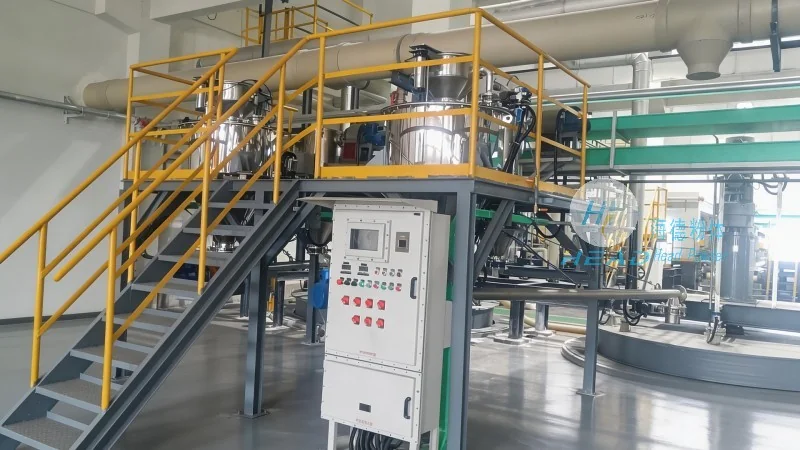
Companies like Shandong HeadPowder Engineering Co., Ltd., a leading manufacturer of material handling systems, offer customized solutions tailored to the unique needs of their clients. With years of experience in the industry, HeadPowder provides high-calcium powder handling equipment that meets the highest standards of performance, safety, and reliability. The company's expertise in designing and manufacturing specialized systems ensures that clients receive equipment that is optimized for their specific applications, helping them achieve their production goals while maintaining operational efficiency and environmental compliance.
Conclusion
High-calcium powder material handling equipment is a critical component in industries that rely on high-calcium powders for their operations. The design principles and components of these systems are carefully engineered to address the unique challenges of handling such materials, ensuring efficient, safe, and reliable performance. By choosing the right equipment from reputable manufacturers like Shandong HeadPowder Engineering Co., Ltd., companies can enhance their operational efficiency, reduce costs, and improve worker safety. As the demand for high-calcium powders continues to grow, the importance of specialized handling equipment will only increase, making it a vital investment for businesses in the cement, construction, and chemical industries.