

What Are Polyurethane Material Handling Equipment? And What Are Their Design Principles?
Welcome to Shandong HeadPowder Engineering Co., Ltd., a leading manufacturer specializing in high-quality polyurethane material handling equipment. In this article, we will explore the world of polyurethane conveying systems, their design principles, and the key factors that make them an excellent choice for various industrial applications.
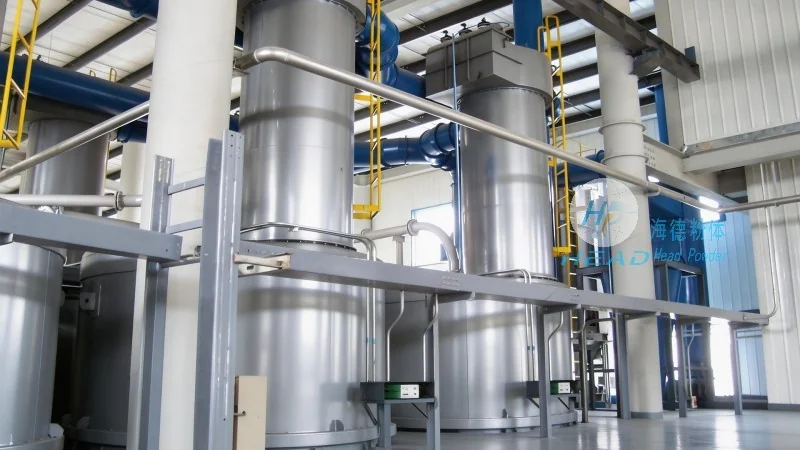
Introduction to Polyurethane Material Handling Equipment
Polyurethane material handling equipment, often referred to as polyurethane conveying systems, are engineered to transport a wide range of materials efficiently and safely. These systems are designed to handle bulk materials, powders, granules, and other loose or semi-loose substances, making them indispensable in industries such as food processing, pharmaceuticals, chemicals, and mining. The primary goal of these equipment is to ensure smooth material flow while minimizing product damage and contamination.
Key Features of Polyurethane Conveying Systems
One of the most significant advantages of polyurethane material handling equipment is its durability and resistance to abrasion. Polyurethane is a synthetic polymer that can withstand harsh operating conditions, including high temperatures, chemicals, and heavy loads. This makes it ideal for applications where traditional rubber or metal conveyor belts may fail. Additionally, polyurethane conveyors offer excellent flexibility, allowing them to navigate complex layouts and tight spaces without compromising performance. The smooth surface of polyurethane belts reduces friction, which in turn lowers energy consumption and extends the lifespan of the equipment.
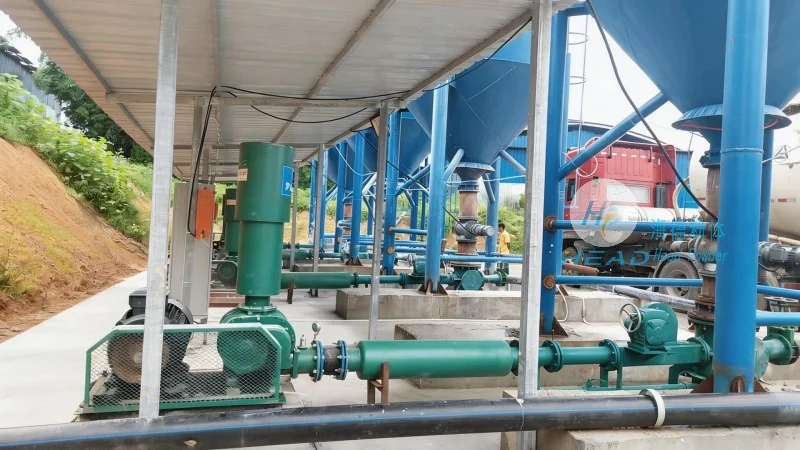
Design Principles Behind Polyurethane Material Handling Equipment
The design of polyurethane material handling equipment is a meticulous process that involves several critical principles. First, the material selection is paramount. Engineers choose polyurethane due to its unique properties, such as high tensile strength, elasticity, and resistance to wear and tear. The belt's thickness and durometer (hardness) are carefully determined based on the type of material being conveyed and the operating environment. For instance, a softer polyurethane belt may be used for delicate products to prevent damage, while a harder belt is suitable for abrasive materials that require greater resistance.
Second, the system's structural design is optimized for efficiency. Components like idlers, pulleys, and drive systems are engineered to work in harmony with the polyurethane belt. The idler spacing and pulley diameter are crucial for maintaining proper tension and preventing slippage. Proper alignment and maintenance of these components are essential to ensure the conveyor operates smoothly and reliably. Furthermore, the frame and support structures are designed to withstand the weight of the material and the belt itself, ensuring stability and longevity.
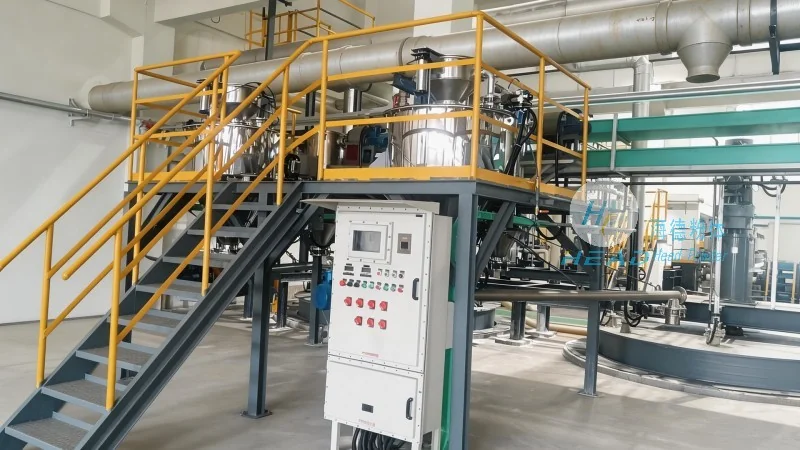
Applications and Benefits of Using Polyurethane in Material Handling
Polyurethane material handling equipment is widely used across various industries due to its versatility and reliability. In the food industry, polyurethane conveyors are preferred for their non-toxic, hygienic properties and resistance to cleaning agents. They can handle products like grains, snacks, and dairy items without compromising quality. In the pharmaceutical sector, the equipment's ability to maintain sterile conditions and prevent cross-contamination is critical. Similarly, in the chemical industry, polyurethane belts are chosen for their resistance to corrosive substances and chemicals.
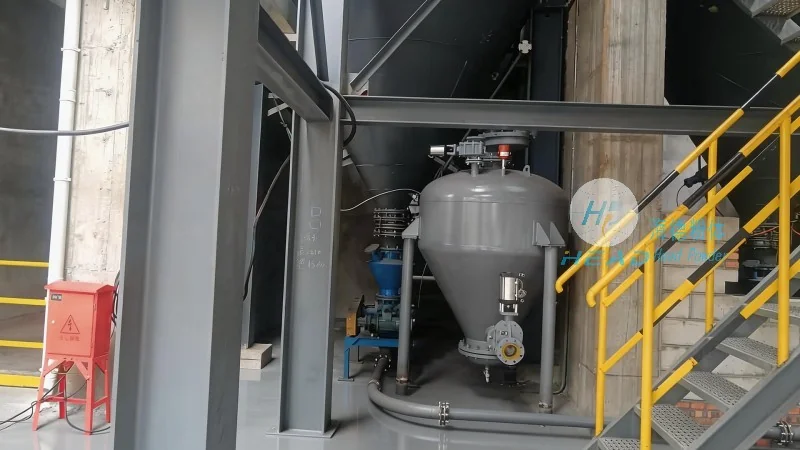
The benefits of using polyurethane material handling equipment extend beyond durability and resistance. These systems offer cost-effectiveness in the long run. Although the initial investment may be higher than traditional options, the reduced maintenance and longer lifespan of polyurethane belts result in significant savings over time. Additionally, the energy efficiency of polyurethane conveyors, due to lower friction, contributes to lower operational costs and a smaller environmental footprint.
About Shandong HeadPowder Engineering Co., Ltd.
Shandong HeadPowder Engineering Co., Ltd. is a reputable company based in Shandong, China, dedicated to providing top-tier polyurethane material handling solutions. With years of experience in the industry, we specialize in designing, manufacturing, and supplying customized polyurethane conveying systems tailored to meet the specific needs of our clients. Our team of engineers and technicians works closely with customers to understand their requirements and develop solutions that enhance productivity and efficiency. We are committed to quality, innovation, and customer satisfaction, ensuring that every product we deliver meets the highest standards of performance and reliability.