

What is Polyethylene Powder Material Handling Equipment? And What Are Its Design Principles?
When it comes to the efficient and reliable transportation of polyethylene powder, specialized equipment plays a crucial role in industrial processes. This article explores the concept of polyethylene powder material handling equipment and delves into the fundamental design principles that underpin its functionality. Understanding these aspects is vital for industries that rely on consistent and safe material movement, ensuring optimal performance and operational efficiency.
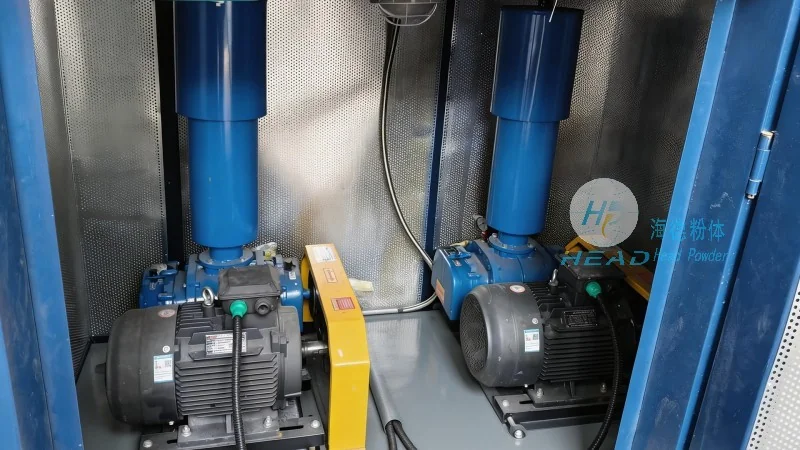
Polyethylene Powder Material Handling Equipment: An Overview
Polyethylene powder material handling equipment refers to a range of machinery and systems engineered to transport, store, and manage polyethylene powder in industrial settings. This type of equipment is essential in sectors such as plastics manufacturing, chemical processing, and material handling, where the safe and efficient movement of powders is critical. The equipment is designed to handle the unique properties of polyethylene powder, including its flow characteristics, dust generation, and potential for static buildup. By addressing these challenges, the equipment ensures that the material is handled with precision and minimal risk of contamination or loss.
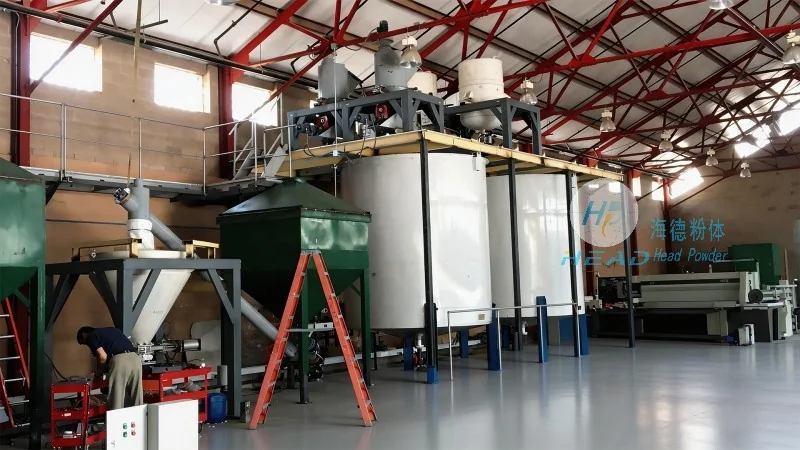
Key Components of Polyethylene Powder Material Handling Equipment
The design of polyethylene powder material handling equipment typically incorporates several key components that work in harmony to achieve effective material transport. These components include feeders, conveyors, hoppers, and control systems. Feeders are responsible for regulating the flow of polyethylene powder from storage bins or hoppers into the conveyor system. They are often equipped with adjustable speed controls to maintain a consistent flow rate, preventing overloading or underloading of the conveyor. Conveyors, such as screw conveyors or pneumatic systems, then transport the powder through the system. Hoppers are used to store and discharge the powder, providing a controlled environment that minimizes dust and spillage. Control systems, including sensors and automation, monitor the operation of the equipment, ensuring that it operates within safe parameters and responds to changes in material flow or system conditions.
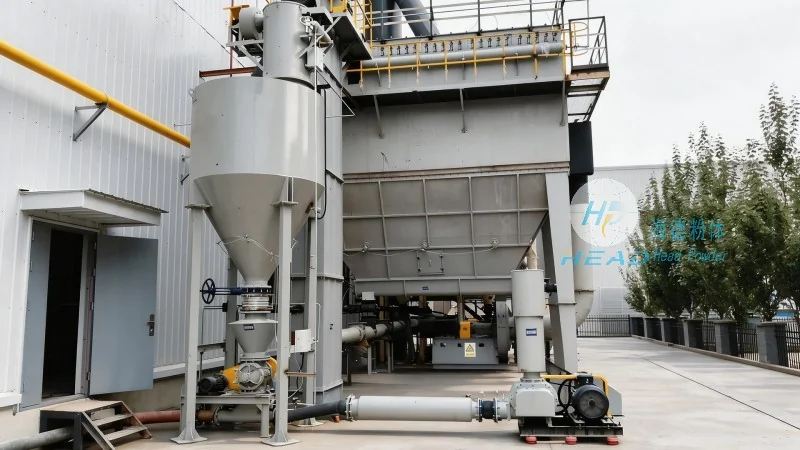
Design Principles for Efficient Polyethylene Powder Handling
The design principles for polyethylene powder material handling equipment are centered on several critical factors that enhance performance and safety. One of the primary principles is the prevention of material bridging and arching, which can cause blockages in the system. Equipment designers employ features such as agitators, vibrators, or air knives to break up these formations and maintain a smooth flow. Another key principle is the management of static electricity, as polyethylene powder is prone to generating static charges. Anti-static materials and grounding systems are integrated into the equipment to prevent sparks and ensure safe operation. Additionally, the equipment is designed for easy cleaning and maintenance, with components that can be easily disassembled and cleaned to prevent contamination and ensure long-term reliability. The overall design aims to balance efficiency, safety, and durability, ensuring that the equipment can withstand the demands of continuous industrial use.
Applications and Benefits of Polyethylene Powder Material Handling Equipment
Polyethylene powder material handling equipment is widely used in various industrial applications, including the production of plastic products, packaging materials, and coatings. The equipment's ability to handle polyethylene powder efficiently and safely makes it an indispensable tool in these processes. The benefits of using specialized equipment include improved material flow control, reduced downtime due to blockages or contamination, and enhanced safety for operators. By optimizing the handling of polyethylene powder, industries can achieve higher production rates, lower operational costs, and better product quality. The equipment also contributes to environmental sustainability by minimizing waste and ensuring that the powder is handled in a controlled manner, reducing the risk of environmental contamination.
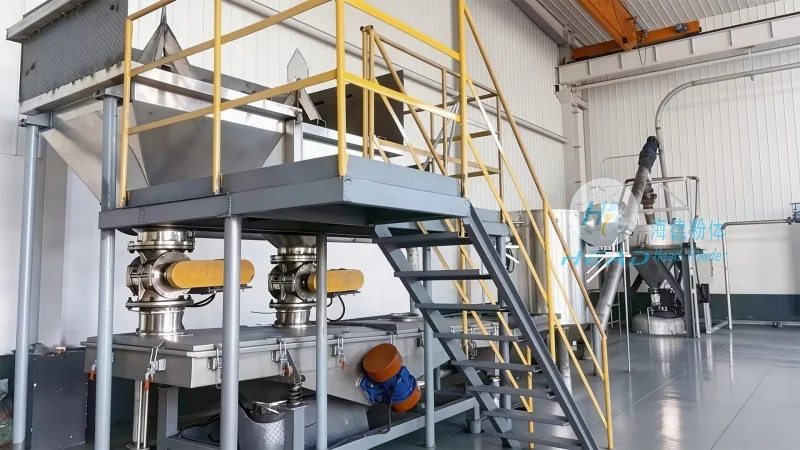
Conclusion: The Importance of Proper Design and Implementation
In conclusion, polyethylene powder material handling equipment is a critical component in modern industrial operations, and its design principles are essential for ensuring optimal performance and safety. The equipment, developed by companies like Shandong HeadPowder Engineering Co., Ltd., incorporates advanced features to address the unique challenges of handling polyethylene powder. By adhering to design principles such as preventing material bridging, managing static electricity, and ensuring easy maintenance, the equipment provides reliable and efficient material transport. The use of such equipment not only enhances operational efficiency but also contributes to the overall safety and sustainability of industrial processes. For industries relying on polyethylene powder, investing in high-quality material handling equipment is a strategic decision that ensures long-term success and compliance with industry standards.