

What is a Chocolate Material Conveying Line? And What Are Its Design Principles?
Chocolate material conveying lines are essential systems used in the chocolate manufacturing industry to transport various ingredients and finished products efficiently. These lines are engineered to handle the unique properties of chocolate, such as its viscosity, temperature sensitivity, and the need for hygienic processing. By integrating advanced technology and robust materials, these systems ensure smooth operation while maintaining product quality and safety standards.
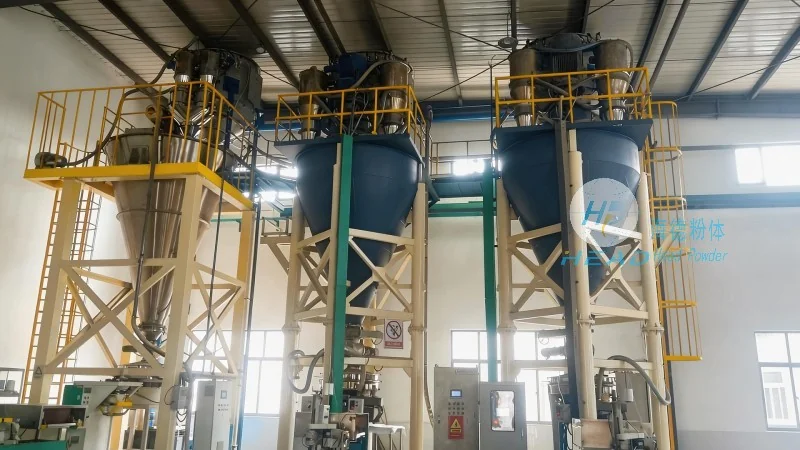
About Shandong HeadPowder Engineering Co., Ltd.
Shandong HeadPowder Engineering Co., Ltd., commonly known as HeadPowder, is a leading manufacturer specializing in industrial processing equipment. With a strong presence in China, particularly in Shandong province, the company has built a reputation for delivering high-quality machinery tailored to the needs of the food and confectionery sectors. HeadPowder’s expertise lies in designing and manufacturing equipment that meets stringent hygiene and performance requirements, making it a trusted partner for businesses in the chocolate industry.
Key Design Principles of Chocolate Material Conveying Lines
The design of a chocolate material conveying line involves several critical principles to ensure optimal performance. First, the system must be constructed from materials that are resistant to corrosion and heat, such as stainless steel, to withstand the high temperatures and chemical exposure associated with chocolate processing. This not only enhances durability but also maintains the sanitary standards required in food production environments.
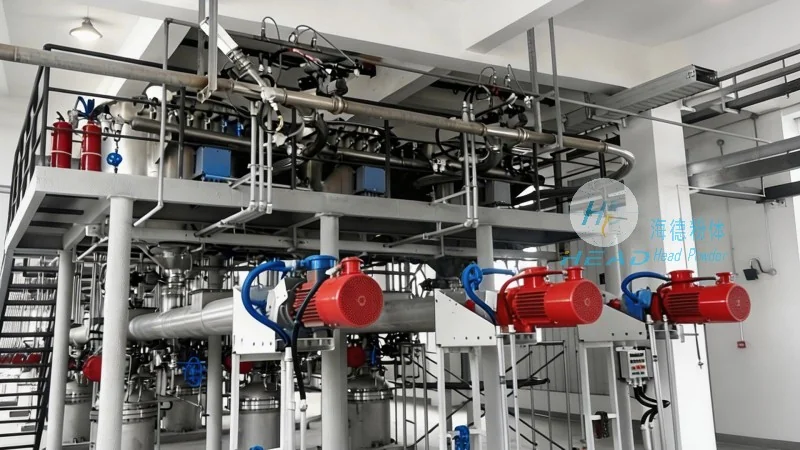
Second, the conveying mechanisms, such as screw conveyors or belt systems, are designed to handle the specific flow characteristics of chocolate. For instance, screw conveyors are often preferred for their ability to move viscous materials without causing excessive shear or degradation. The design also considers the need for gentle handling to preserve the texture and flavor of the chocolate, which is crucial for maintaining product quality.
Third, the line incorporates temperature control features to regulate the chocolate’s consistency. This is vital because chocolate’s viscosity changes significantly with temperature, affecting its flow and processing. By maintaining consistent temperatures, the conveying line ensures that the chocolate moves smoothly through the system, reducing the risk of clogging or uneven distribution.
Fourth, the system is engineered for easy cleaning and maintenance. The modular design allows for quick disassembly and reassembly, facilitating thorough sanitation procedures. This is essential in food processing to prevent cross-contamination and comply with regulatory standards. Additionally, the use of sealed components minimizes the risk of contamination from external sources, ensuring the chocolate remains pure throughout the conveying process.
Components and Functionality
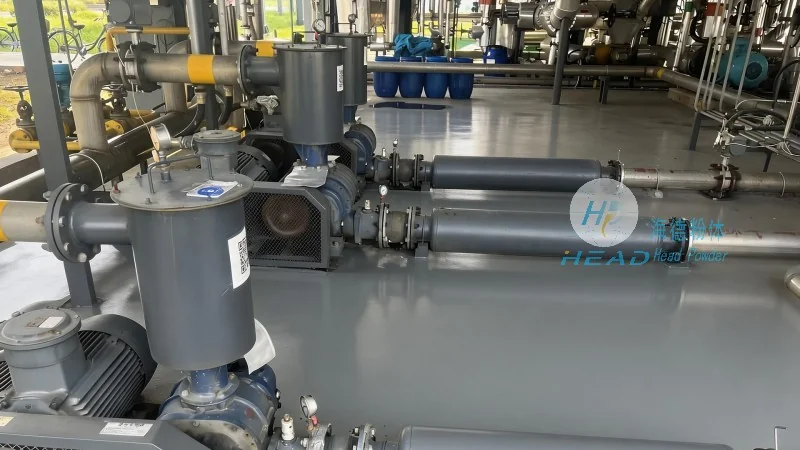
A typical chocolate material conveying line consists of several key components, each playing a vital role in the overall operation. The primary components include the feeding hopper, which introduces the chocolate or other ingredients into the system; the conveying mechanism, which transports the material through the line; and the discharge outlet, which delivers the processed chocolate to the next stage of production.
The feeding hopper is designed to handle bulk materials and ensure a consistent flow into the conveyor. It often includes a level indicator to monitor the material level, preventing overfilling or underfilling. The conveying mechanism, whether a screw or belt system, is selected based on the specific characteristics of the chocolate being processed. Screw conveyors, for example, are ideal for viscous materials like melted chocolate, as they can move the product without causing excessive pressure or shear.
The discharge outlet is engineered to release the chocolate smoothly and without spillage. It may include a valve or gate to control the flow rate, allowing for precise dosing. Additionally, the outlet is designed to connect seamlessly with downstream equipment, such as mixers or packaging machines, ensuring a continuous and efficient production flow.
Benefits and Applications
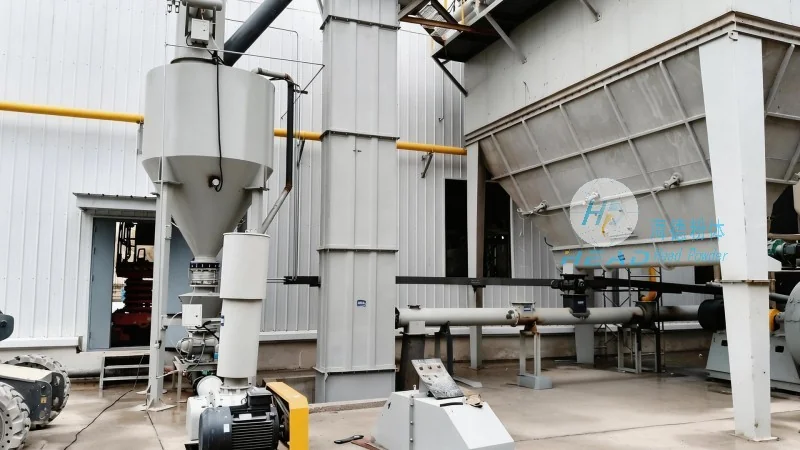
Chocolate material conveying lines offer numerous benefits to manufacturers, including improved efficiency, reduced labor costs, and enhanced product quality. By automating the material handling process, these systems minimize the need for manual intervention, which not only saves time but also reduces the risk of human error. The consistent flow and temperature control also contribute to better product consistency, leading to higher customer satisfaction.
These systems are widely used in various stages of chocolate production, from ingredient transport to finished product packaging. For instance, they can be used to move cocoa mass, sugar, or other additives from storage silos to mixing tanks. In the final stages, they help transport finished chocolate bars or truffles to packaging lines, ensuring a seamless transition from production to distribution.