

What is a Calcite Material Conveyor System? Understanding Its Design Principles
Calcite, a common calcium carbonate mineral, is widely used in various industrial applications such as construction, pharmaceuticals, and chemical manufacturing. Efficient material handling is crucial for industries dealing with calcite, and this is where specialized conveyor systems come into play. This article explores the concept of a calcite material conveyor system, detailing its design principles and operational benefits.
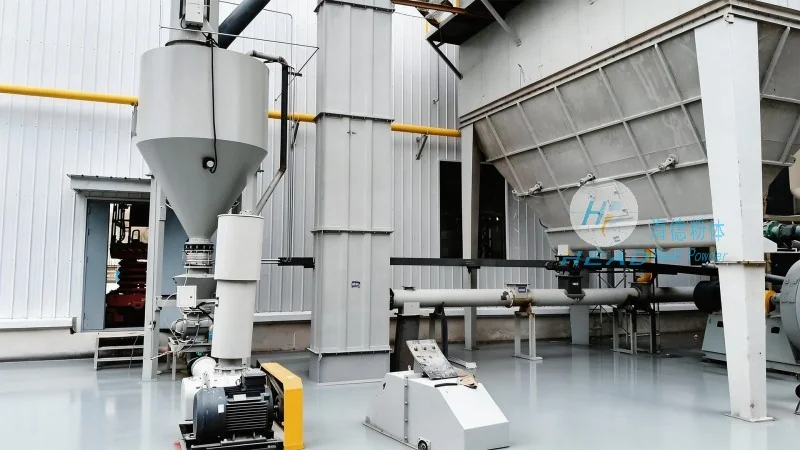
Understanding the Core Components of a Calcite Conveyor System
The calcite material conveyor system is engineered to transport calcite powder or granules with precision and efficiency. Key components typically include a feeding mechanism, a conveyor belt or screw, a drive system, and a control panel. The feeding mechanism ensures a consistent flow of calcite material into the conveyor, while the belt or screw moves the material along the designated path. The drive system provides the necessary power to operate the conveyor, and the control panel allows operators to monitor and adjust the system's performance. These components work in harmony to ensure smooth and reliable material transport.
Design Principles for Optimal Calcite Material Handling
Designing a calcite material conveyor system involves several critical principles to maximize efficiency and minimize operational issues. First, the system must be constructed from materials that are resistant to calcite's chemical properties, such as corrosion and abrasion. Stainless steel or high-grade alloys are often used for the conveyor components to ensure durability. Second, the conveyor's speed and capacity must be tailored to the specific requirements of the calcite material being handled. This includes considering the material's density, flowability, and any potential for caking or clumping. Third, the system should incorporate features that prevent material buildup or blockages, such as inclined sections or vibration mechanisms. Finally, the design should prioritize safety and ease of maintenance, with accessible components and clear operational indicators.
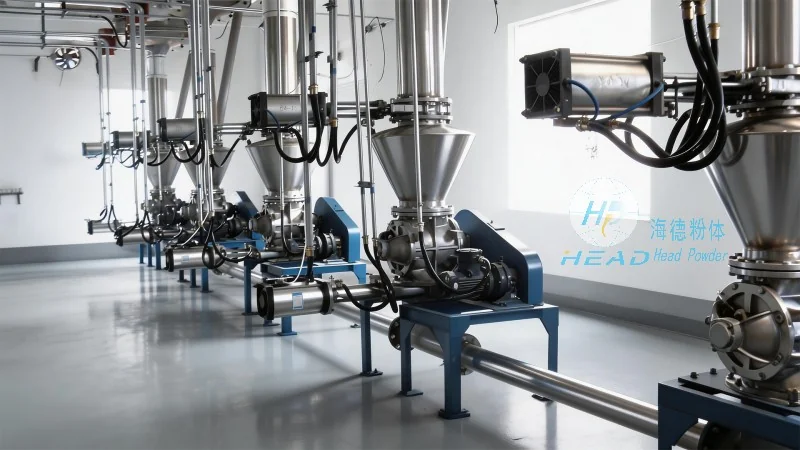
Operational Benefits of a Well-Designed Calcite Conveyor System
Implementing a well-designed calcite material conveyor system offers numerous benefits for industrial operations. Firstly, it enhances productivity by reducing material handling time and labor costs. The automated nature of the system allows for continuous operation, minimizing downtime and maximizing throughput. Secondly, it improves material quality by ensuring consistent and uniform transport, which is crucial for applications where calcite purity is critical. Thirdly, the system reduces the risk of material loss or contamination, as it is enclosed and controlled. Additionally, it enhances workplace safety by eliminating manual handling of heavy or dusty calcite loads. These benefits collectively contribute to improved operational efficiency and cost-effectiveness.
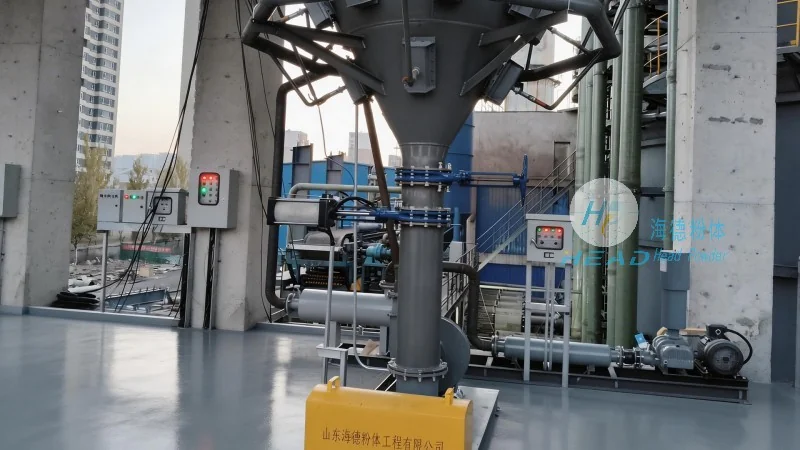
Customization and Integration for Specific Calcite Handling Needs
Calcite material conveyor systems are often customized to meet the unique needs of different industries and applications. For example, in the construction industry, the system may be designed to handle larger calcite granules for concrete production. In the pharmaceutical industry, it may be equipped with additional filtration or cleaning features to maintain high purity standards. The system can also be integrated with other processing equipment, such as grinding mills or packaging machines, to create a seamless production line. Customization options may include adjustable conveyor speeds, variable incline angles, and specialized feeding mechanisms. By tailoring the system to specific requirements, industries can achieve optimal performance and adaptability.
Maintenance and Longevity of Calcite Conveyor Systems
Proper maintenance is essential to ensure the longevity and reliability of a calcite material conveyor system. Regular inspections should be conducted to check for wear and tear on components like belts, screws, and bearings. Lubrication of moving parts is crucial to prevent friction and overheating. Cleaning the system regularly, especially in areas prone to calcite buildup, helps maintain efficiency and prevents blockages. Additionally, replacing worn-out parts promptly can prevent more significant damage and system failures. Following the manufacturer's guidelines for maintenance and operation is key to extending the system's lifespan and ensuring consistent performance. A well-maintained conveyor system not only reduces downtime but also lowers long-term operational costs.