

Adipic Acid Material Handling Line: What It Is and Its Design Principles
Adipic acid is a vital chemical intermediate widely utilized in the production of nylon and other polymers. The efficient handling and transportation of this material are paramount for industrial processes, and specialized material handling lines are integral to achieving this efficiency. This article explores what an adipic acid material handling line entails and the core design principles that underpin its functionality.
Understanding the Adipic Acid Material Handling Line
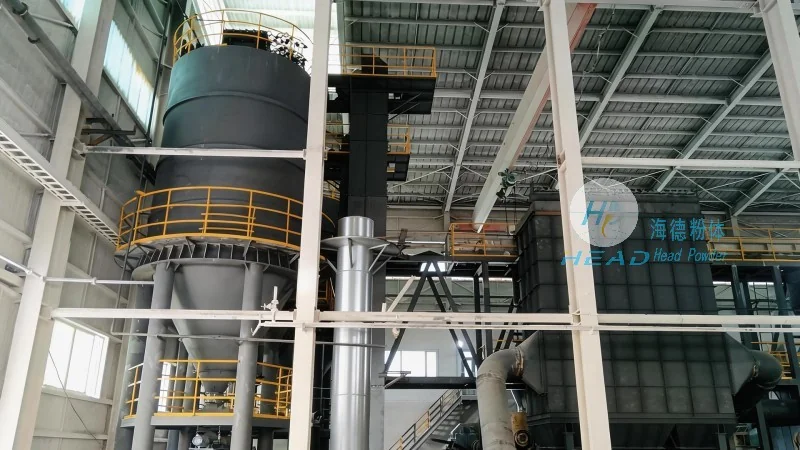
An adipic acid material handling line is a comprehensive system engineered to transport, store, and process adipic acid from its source to various industrial applications. This system integrates multiple components, including storage tanks, conveyor systems, pumps, and control mechanisms, all tailored to handle the specific properties of adipic acid—such as its chemical stability, viscosity, and potential reactivity. The line is designed to meet the demands of industrial production, ensuring safe and efficient operation while minimizing material loss and environmental impact.
Key Components of the Material Handling Line
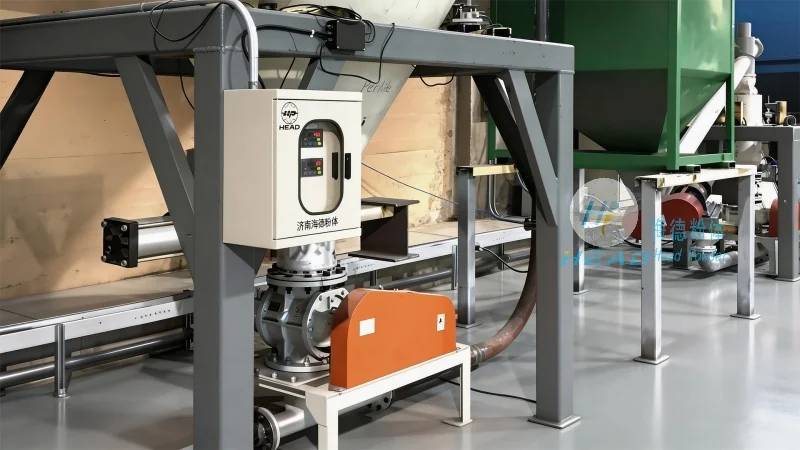
The adipic acid material handling line typically comprises several critical components that work in unison to facilitate seamless material flow. The primary components include:
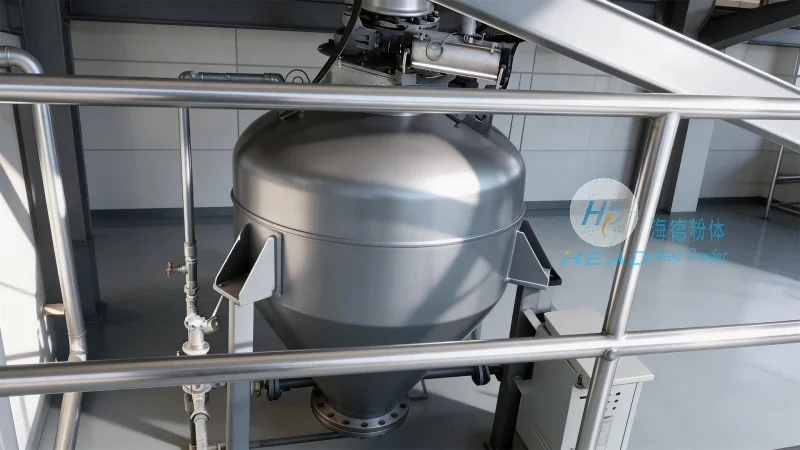
- Storage Tanks: Large, corrosion-resistant tanks are employed to store adipic acid in bulk. These tanks are often constructed from materials like stainless steel or specialized polymers to prevent chemical reactions with the acid and ensure durability.
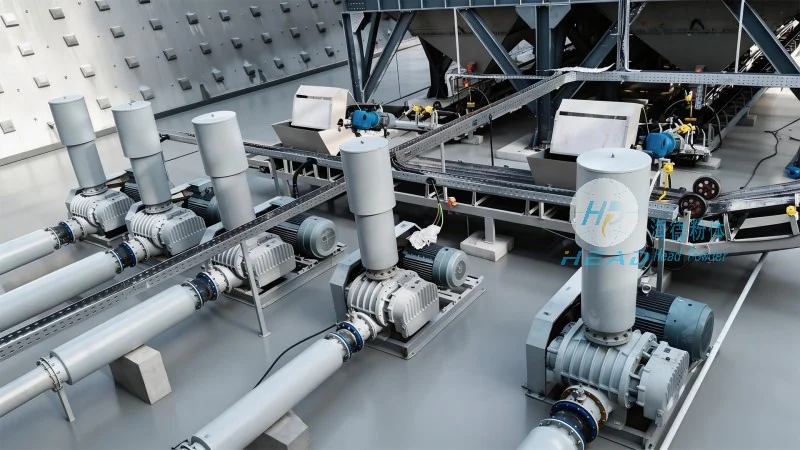
- Conveyor Systems: Pneumatic or mechanical conveyors are utilized to transport adipic acid from storage to processing units. The choice of conveyor type depends on the material's properties and the required flow rate. For instance, screw conveyors may be used for granular or powdered forms, while pneumatic systems handle liquid or slurry-like adipic acid.
- Pumps and Valves: Pumps are essential for moving adipic acid through the system, particularly when dealing with liquid or viscous forms. These pumps are designed to handle the chemical's properties, often featuring materials like Hastelloy or titanium to resist corrosion. Control valves regulate the flow rate and direction, ensuring precise dosing and preventing overpressure.
- Filtering and Drying Systems: To maintain product quality, the line may incorporate filtration and drying equipment. These systems remove impurities and moisture from the adipic acid, ensuring it meets the required specifications for downstream processes.
- Control and Monitoring Systems: Advanced control systems, often integrated with sensors and data loggers, monitor the entire process. These systems provide real-time data on temperature, pressure, flow rate, and other critical parameters, enabling operators to adjust the process as needed and maintain optimal conditions.
Design Principles for an Efficient Adipic Acid Material Handling Line
The design of an adipic acid material handling line adheres to several key principles to ensure safety, efficiency, and reliability. These principles are tailored to the unique characteristics of adipic acid and the industrial environment in which the line operates.
- Chemical Compatibility: All components of the line, from tanks to pumps, must be compatible with adipic acid. This involves selecting materials that resist corrosion and chemical degradation, such as stainless steel, Hastelloy, or specialized polymers. Proper material selection prevents contamination and extends the lifespan of the equipment.
- Process Integration: The line is designed to integrate seamlessly with other industrial processes, such as polymer production or chemical synthesis. This integration ensures that adipic acid is delivered to the next stage of production in the correct quantity and quality, minimizing downtime and waste.
- Safety and Environmental Protection: Adipic acid is a hazardous material, and the handling line is engineered with safety as a top priority. This includes features like emergency shutdown systems, leak detection, and containment measures to prevent spills and exposure. Additionally, the line is designed to minimize environmental impact, with proper waste management and emission control systems.
- Efficiency and Flow Optimization: The design focuses on maximizing the efficiency of material flow. This involves optimizing the layout of components to reduce the distance and time required for transport, minimizing energy consumption, and ensuring consistent flow rates. Proper maintenance and regular inspections are also critical to maintaining efficiency over time.
- Scalability and Flexibility: The line is designed to be scalable, allowing it to accommodate changes in production volume or process requirements. This flexibility ensures that the system can adapt to evolving industrial needs without requiring major overhauls. Modular design is often employed to facilitate easy expansion or modification.
Applications and Benefits of the Adipic Acid Material Handling Line
The adipic acid material handling line is widely utilized in various industrial applications, particularly in the chemical and polymer industries. Its primary benefits include:
- Enhanced Productivity: By streamlining the handling and transportation of adipic acid, the line increases production efficiency and reduces downtime, leading to higher output and better resource utilization.
- Improved Safety: The integrated safety features minimize the risk of accidents, such as spills or exposure to hazardous chemicals, protecting workers and the environment.
- Consistent Quality: The control and monitoring systems ensure that adipic acid is handled and processed under optimal conditions, maintaining consistent quality and meeting stringent industry standards.
- Cost Reduction: Efficient material flow reduces energy consumption and waste, leading to lower operational costs and higher profitability for the company.
Conclusion
In conclusion, an adipic acid material handling line is a sophisticated system designed to handle the unique properties of adipic acid efficiently and safely. The design principles, components, and applications of this line are tailored to meet the demands of modern industrial production, ensuring optimal performance and reliability. For companies involved in the production of adipic acid or its derivatives, investing in a well-designed material handling line is crucial for maintaining competitiveness and operational excellence.