

What is Hydrogen Chloride Material Handling Line? What are the Design Principles?
Hydrogen chloride (HCl) is a highly corrosive and toxic gas, making the design and operation of material handling lines for it a critical task in industrial applications. The hydrogen chloride material handling line is a specialized system engineered to safely transport HCl from its source to the point of use or disposal. This system must adhere to stringent safety standards and incorporate robust engineering principles to prevent leaks, control pressure, and ensure the integrity of all components. The design of such a line involves careful consideration of material selection, equipment configuration, and safety protocols to mitigate risks associated with handling this hazardous substance.
Key Components of a Hydrogen Chloride Material Handling Line
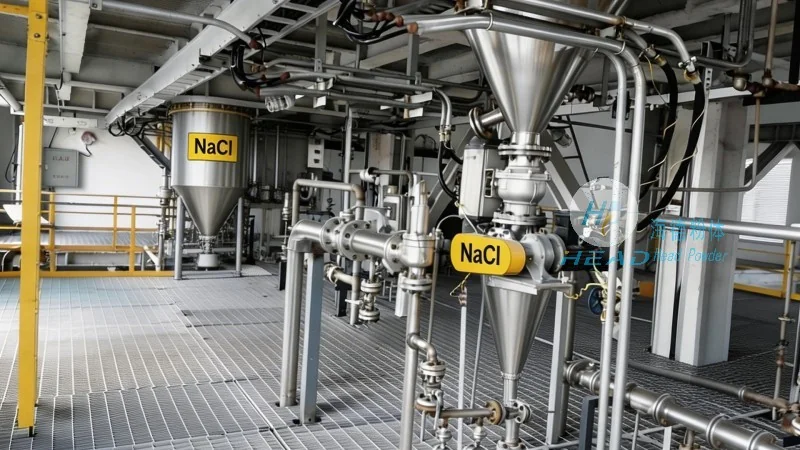
The hydrogen chloride material handling line typically consists of several key components that work in concert to ensure safe and efficient operation. These components include storage tanks or cylinders, pressure regulators, flow control valves, piping systems, and monitoring equipment. Each component is selected based on its ability to withstand the corrosive nature of HCl and maintain the required pressure and flow rates. For instance, the storage vessels are often made of materials like stainless steel or specialized alloys that resist chemical attack from HCl. The piping system is designed with appropriate diameters and wall thicknesses to handle the gas under pressure, and it may include insulated sections to prevent heat buildup or loss. Flow control valves, such as diaphragm or ball valves, are used to regulate the flow of HCl and prevent backflow, which could lead to dangerous conditions. Additionally, pressure relief devices and safety valves are integrated into the system to protect against overpressure situations, ensuring that the line operates within safe limits.
Design Principles for Hydrogen Chloride Material Handling Lines
The design principles for hydrogen chloride material handling lines are centered on safety, efficiency, and compliance with regulatory standards. Safety is the paramount consideration, as HCl is a toxic and corrosive gas that can cause severe health effects if released into the environment or inhaled. Therefore, the design must incorporate multiple layers of protection, including containment systems, leak detection, and emergency shutdown procedures. The system is engineered to minimize the risk of leaks by using high-quality, corrosion-resistant materials and ensuring proper installation and maintenance. Efficiency is also a key design principle, as the line must be able to transport HCl at the required flow rates without excessive pressure drop or energy consumption. This involves optimizing the piping layout, selecting appropriate pump or compressor systems, and using flow control devices that maintain consistent pressure and flow. Compliance with regulatory standards is another critical aspect, as industries handling HCl must adhere to local and international regulations regarding safety, emissions, and waste management. The design process typically involves thorough risk assessments, including failure mode and effects analysis (FMEA), to identify potential hazards and implement appropriate mitigation measures. Additionally, the system is often designed with redundancy in critical components, such as pressure relief valves and monitoring sensors, to ensure continuous operation and safety even if one component fails.
Material Selection and Engineering Considerations
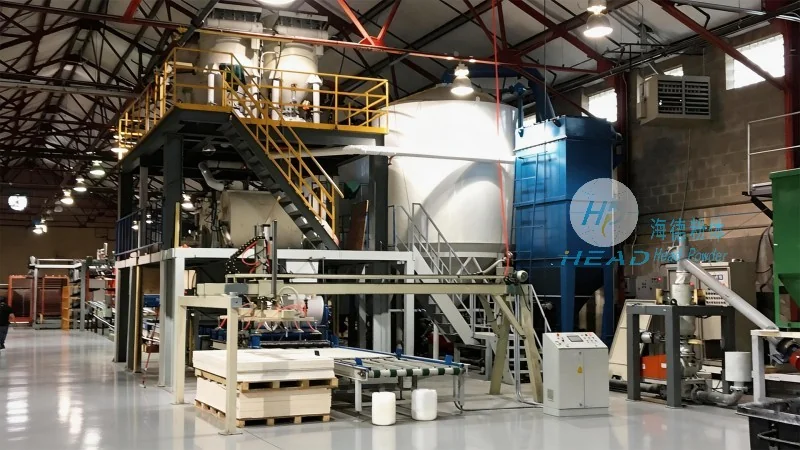
Material selection is a critical engineering consideration in the design of hydrogen chloride material handling lines. Since HCl is highly corrosive, all components that come into contact with the gas must be made of materials that can resist chemical attack. Common materials used for storage tanks and piping include stainless steel grades such as 316L, which offers excellent resistance to HCl at various concentrations and temperatures. For high-temperature applications or where additional corrosion resistance is required, specialized alloys like Hastelloy or Inconel may be used. The choice of material also depends on the operating conditions, including temperature, pressure, and the presence of other chemicals in the environment. For example, in cold climates, the piping system may include insulation to prevent freezing of the HCl, which could cause blockages or pressure buildup. The engineering design also considers the mechanical properties of the materials, such as strength and ductility, to ensure that the components can withstand the stresses of operation, including thermal expansion and pressure fluctuations. Additionally, the design incorporates proper jointing and sealing techniques to prevent leaks at connections, as even small leaks can have significant environmental and health impacts. The use of gaskets and seals made of materials compatible with HCl, such as PTFE or specialized elastomers, is essential to maintain the integrity of the system.
Safety Protocols and Emergency Response
Implementing robust safety protocols is essential for the operation of hydrogen chloride material handling lines. These protocols are designed to prevent accidents, mitigate the effects of leaks, and ensure the safety of personnel and the environment. The system is equipped with various safety devices, including pressure relief valves, rupture disks, and emergency shut-off valves. Pressure relief valves are set to open at a specific pressure to prevent overpressure, while rupture disks are designed to burst at a lower pressure, providing an additional layer of protection. Emergency shut-off valves allow operators to quickly stop the flow of HCl in case of an emergency, such as a leak or fire. Monitoring equipment, such as pressure transmitters and gas detectors, continuously monitors the system's status and can trigger alarms or shutdown procedures if abnormal conditions are detected. Personnel operating the hydrogen chloride material handling line must undergo comprehensive training on safety procedures, including how to respond to leaks, how to use personal protective equipment (PPE), and how to evacuate the area in case of an emergency. The training also covers the proper handling and storage of HCl, as well as the use of emergency response equipment like fire extinguishers and spill containment materials. Regular maintenance and inspection of the system are also critical to ensuring safety, as they help identify and address potential issues before they become major problems. Maintenance activities may include checking for corrosion, inspecting seals and gaskets, and testing safety devices to ensure they are functioning correctly. By adhering to these safety protocols, the risk of accidents and the impact of any incidents can be significantly reduced.
Applications and Industries Using Hydrogen Chloride Material Handling Lines
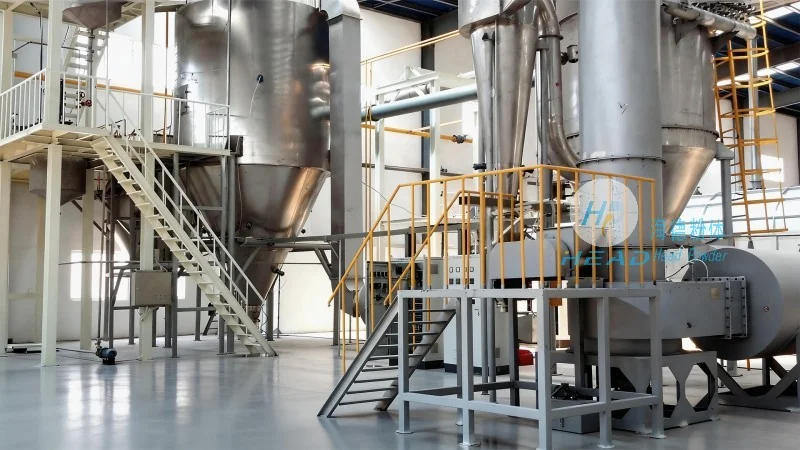
Hydrogen chloride material handling lines are used in a variety of industries where HCl is a key chemical. These industries include the production of hydrochloric acid, pharmaceuticals, and various chemical intermediates. In the chemical industry, HCl is used as a raw material in the synthesis of many products, such as plastics, solvents, and dyes. The material handling line is essential for transporting HCl from storage to the production reactors, where it is used in chemical reactions. In the pharmaceutical industry, HCl is used in the synthesis of active pharmaceutical ingredients (APIs) and other drug substances. The line must be designed to meet the stringent purity and safety requirements of pharmaceutical manufacturing, which often involves additional filtration and purification steps. The petrochemical industry also uses HCl in the production of various chemicals, such as chlorinated solvents and polymers. The design of the material handling line for these applications must consider the specific requirements of each process, including the flow rates, pressure, and temperature of the HCl being handled. Additionally, the line may be integrated with other systems, such as cooling or heating units, to control the temperature of the HCl as it is transported. The use of hydrogen chloride material handling lines in these industries is critical to ensuring the efficient and safe production of a wide range of products.
Conclusion
Hydrogen chloride material handling lines are complex systems that require careful engineering and design to ensure safe and efficient operation. The design principles, material selection, and safety protocols all play a crucial role in mitigating the risks associated with handling this hazardous gas. By adhering to stringent safety standards and using robust engineering practices, industries can effectively transport HCl while minimizing the potential for accidents and environmental damage. The expertise of companies like Shandong HeadPowder Engineering Co., Ltd., based in China, is vital in designing and implementing these systems, as they bring years of experience and specialized knowledge to the process. With the right design and operation, hydrogen chloride material handling lines can contribute to the safe and efficient production of a wide range of chemical products, supporting various industries and applications.