

What is a Crystal Material Conveying Line? And What Are Its Design Principles?
A crystal material conveying line, also known as a crystal material handling system, is a specialized industrial equipment designed to transport and process crystalline materials efficiently. These systems are crucial in various industries, including pharmaceuticals, chemicals, food processing, and minerals, where the handling of fine, fragile, or hygroscopic crystals requires precision and control. The primary goal of such a line is to ensure the safe, clean, and efficient movement of these materials from one processing stage to another, minimizing loss, contamination, and damage.
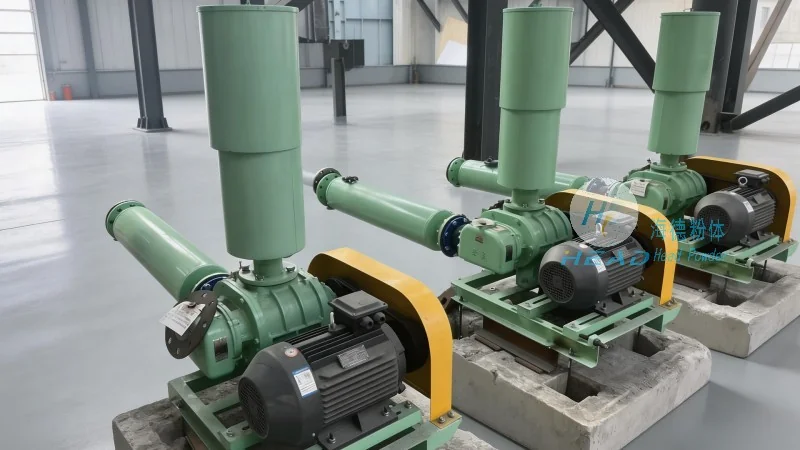
Design Principles of Crystal Material Conveying Lines
The design of a crystal material conveying line is based on several key principles that address the unique properties of crystalline materials. These principles include: 1. **Material Compatibility**: The equipment is constructed from materials that are inert to the conveyed crystals, preventing chemical reactions or contamination. Common materials include stainless steel, PTFE, and food-grade plastics. 2. **Low Shear and Gentle Handling**: Crystalline materials are often delicate and can be easily damaged by high shear forces. Therefore, conveying systems use low-speed, smooth surfaces and gentle mechanisms like screw conveyors, belt conveyors with soft rollers, or pneumatic conveying with low air velocity to minimize particle breakage. 3. **Aseptic and Cleanroom Integration**: In industries like pharmaceuticals, the conveying line must be designed to maintain aseptic conditions, with features like sealed joints, easy-to-clean surfaces, and integration with cleanroom environments. 4. **Controlled Environment**: Many crystalline materials are sensitive to moisture, temperature, and air exposure. The conveying line is often enclosed or equipped with environmental controls to maintain optimal conditions during transport. 5. **Modular and Scalable Design**: Modern crystal material conveying lines are designed as modular systems, allowing for easy expansion or reconfiguration to accommodate changing production needs. This modularity ensures flexibility and cost-effectiveness for manufacturers.
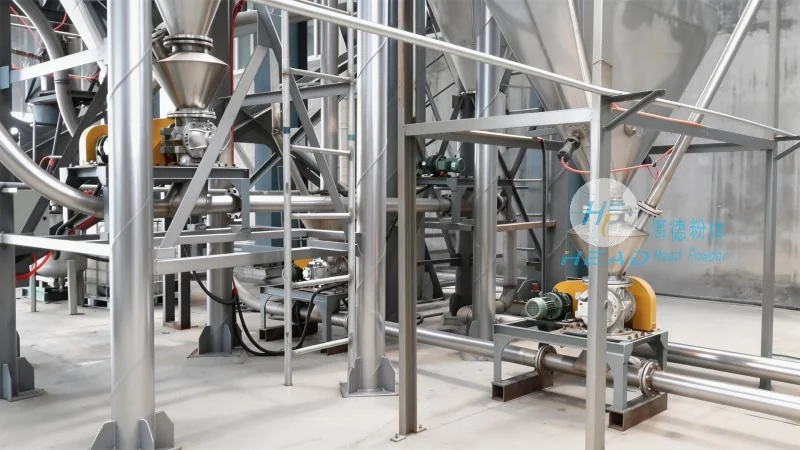
Key Components and Features of Crystal Material Conveying Lines
Crystal material conveying lines typically consist of several interconnected components, each playing a critical role in the overall system. These components include: - **Feeding Hoppers**: These are used to store and feed the crystalline material into the conveying system. They are often designed with sloped sides to prevent material bridging and are equipped with level sensors for automated control. - **Conveying Mechanisms**: The core of the system, these mechanisms transport the material. Common types include screw conveyors (for vertical or horizontal transport), belt conveyors (for long-distance horizontal transport), and pneumatic conveying systems (for fine powders). Screw conveyors are particularly effective for handling cohesive or sticky crystals due to their ability to mix and move material without high shear. - **Dosing and Metering Devices**: To ensure accurate and consistent material flow, dosing and metering devices are integrated. These can include rotary valves, gravimetric feeders, or volumetric feeders, which help maintain precise control over the amount of material being transported. - **Cleaning and Maintenance Systems**: Given the hygroscopic nature of many crystals, the conveying line is equipped with cleaning systems to prevent caking and contamination. This includes wash-down capabilities, CIP (Clean-In-Place) systems, and easy-to-access components for maintenance. - **Control and Monitoring Systems**: Modern systems feature advanced control panels with real-time monitoring of temperature, pressure, flow rate, and material level. This allows operators to adjust parameters dynamically and ensure optimal performance. The control systems are often integrated with PLC (Programmable Logic Controller) technology for automated operation and data logging.
Applications and Benefits of Crystal Material Conveying Lines
Crystal material conveying lines are widely used in industries where the handling of crystalline materials is essential. Some common applications include: - **Pharmaceutical Industry**: For transporting active pharmaceutical ingredients (APIs), excipients, and other fine powders used in drug manufacturing. The systems must meet stringent regulatory requirements for cleanliness and safety. - **Chemical Industry**: For handling chemical crystals, such as those used in the production of fertilizers, pigments, and specialty chemicals. The conveying lines help maintain product quality and prevent contamination. - **Food and Beverage Industry**: For processing sugar, salt, and other food-grade crystals, ensuring they are handled hygienically and efficiently. - **Mineral Processing**: For transporting crystalline minerals from extraction to further processing stages, such as grinding or refining. The systems help improve efficiency and reduce material loss. The benefits of using a crystal material conveying line include: 1. **Enhanced Product Quality**: By minimizing particle breakage and contamination, the system ensures that the crystalline material remains in its optimal state, leading to higher product quality and consistency. 2. **Increased Efficiency**: The automated and controlled nature of the system reduces labor costs and increases production throughput. 3. **Improved Safety**: The enclosed design and gentle handling reduce the risk of dust explosions and material exposure to operators. 4. **Cost Savings**: By reducing material loss and improving process efficiency, the system helps lower overall production costs. 5. **Regulatory Compliance**: The design and features of the system help manufacturers meet industry regulations and standards, ensuring product safety and quality.
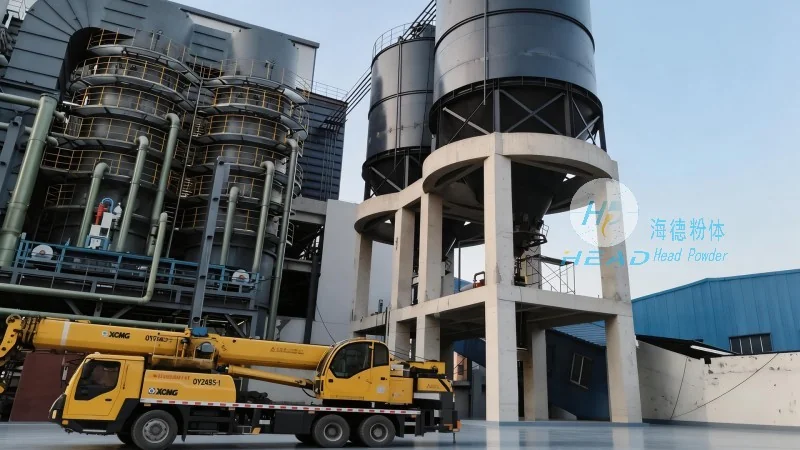
About Shandong HeadPowder Engineering Co., Ltd.
Shandong HeadPowder Engineering Co., Ltd., commonly known as headpowder, is a leading manufacturer of specialized industrial equipment for the handling and processing of crystalline materials. With a focus on innovation and quality, the company has developed advanced crystal material conveying lines that meet the diverse needs of various industries. Headpowder's systems are designed with the latest technology and engineering principles to ensure reliable, efficient, and safe operation. The company's commitment to customer satisfaction and product excellence has made it a trusted partner for manufacturers worldwide. Based in Shandong, China, headpowder continues to lead the industry in providing high-quality crystal material conveying solutions.