

What is a Sodium Sulphate Material Conveying Line? And What Are Its Design Principles?
For industrial applications that involve the handling of sodium sulphate, a specialized material conveying line is often essential to ensure efficient and safe transportation of the material. This article explores the concept of a sodium sulphate material conveying line, delving into its design principles and the key components that make it effective for industrial use.
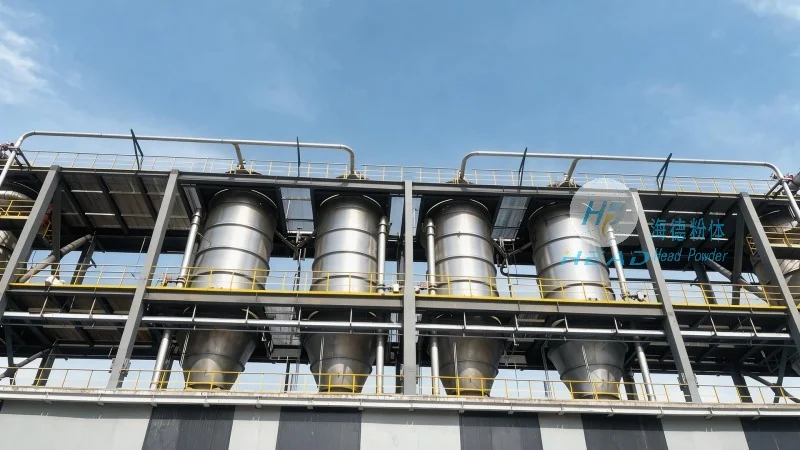
Understanding the Sodium Sulphate Material Conveying Line
A sodium sulphate material conveying line is a system engineered to transport sodium sulphate, a white crystalline powder commonly used in various industries such as detergents, glass manufacturing, and chemical production. The primary goal of this system is to move the material from its source to its destination with minimal loss, reduced risk of contamination, and optimal operational efficiency. The design of such a line is tailored to the specific characteristics of sodium sulphate, including its granular or powder form, which can be prone to dust generation and requires careful handling to prevent clogging or blockages.
Key Design Principles for the Conveying Line
The design of a sodium sulphate material conveying line is guided by several critical principles that ensure its effectiveness and reliability. First, the system must be constructed to handle the material's physical properties, such as its density, flowability, and tendency to agglomerate. This involves selecting appropriate equipment like screw conveyors, belt conveyors, or pneumatic conveyors, each chosen based on the specific requirements of the application. For instance, screw conveyors are often used for horizontal or slight incline transport due to their ability to handle bulk materials without the need for external power beyond the rotating screw. Belt conveyors, on the other hand, are ideal for longer distances and can handle larger volumes, making them suitable for bulk material handling in industrial settings.
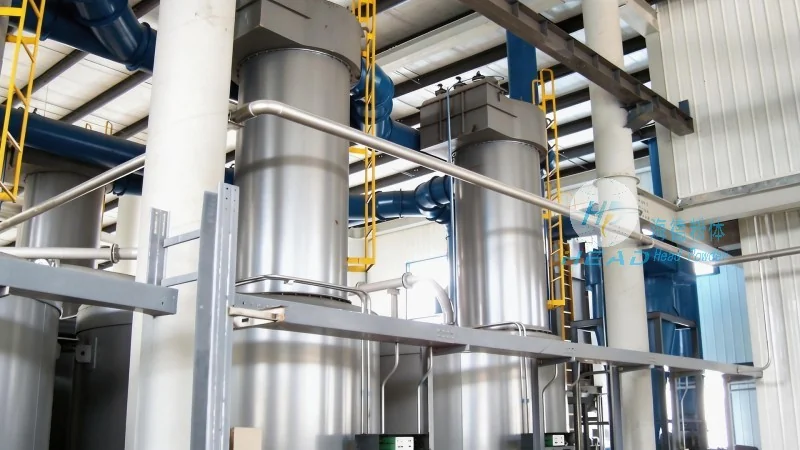
Second, the design must prioritize safety and environmental considerations. Sodium sulphate is a non-hazardous material, but its dust can cause respiratory issues if not properly contained. Therefore, the conveying line is typically equipped with dust collection systems, such as hoods and filters, to capture and remove any airborne particles. Additionally, the system is designed to minimize the risk of material spillage or leakage, which could lead to environmental contamination or operational inefficiencies. The use of sealed containers and enclosed conveyor systems helps maintain a controlled environment, ensuring that the material remains contained throughout the conveying process.
Components of the Conveying Line
A typical sodium sulphate material conveying line consists of several interconnected components that work together to achieve efficient material transport. The main components include a feed hopper, which serves as the initial point of material intake, allowing for the controlled loading of sodium sulphate into the system. The feed hopper is often equipped with a level indicator to monitor the material level and prevent overfilling. From the hopper, the material is transferred to the conveyor itself, which may be a screw conveyor, belt conveyor, or pneumatic system, depending on the design requirements.
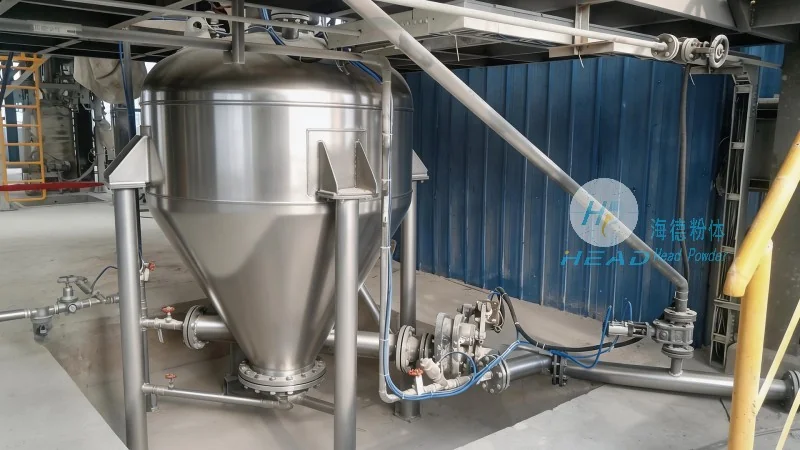
The conveyor system is the heart of the line, responsible for moving the material from the feed point to the discharge point. In the case of a screw conveyor, the rotating screw pushes the material forward, while the flighting prevents the material from sliding back. The speed of the screw can be adjusted to control the flow rate, ensuring that the material is conveyed at an optimal rate without causing excessive wear or clogging. For belt conveyors, the material is carried on the belt, which moves at a constant speed, and the belt is supported by rollers to reduce friction and wear. The discharge point is where the material is released from the conveyor, typically into a storage silo or processing unit. The discharge mechanism is designed to prevent material buildup and ensure a smooth flow of the material out of the system.
Material Handling Considerations
Handling sodium sulphate requires careful attention to its physical and chemical properties. The material is hygroscopic, meaning it can absorb moisture from the air, which can affect its flowability and cause caking. To prevent this, the conveying line is often designed with enclosed systems and moisture control measures, such as drying the material before it enters the system or using a dehumidifier to maintain a dry environment. Additionally, the material can be abrasive, which can lead to wear on the conveyor components. Therefore, the selection of materials for the conveyor parts, such as stainless steel or high-quality alloys, is crucial to ensure the longevity of the system and minimize maintenance costs.
Applications and Benefits
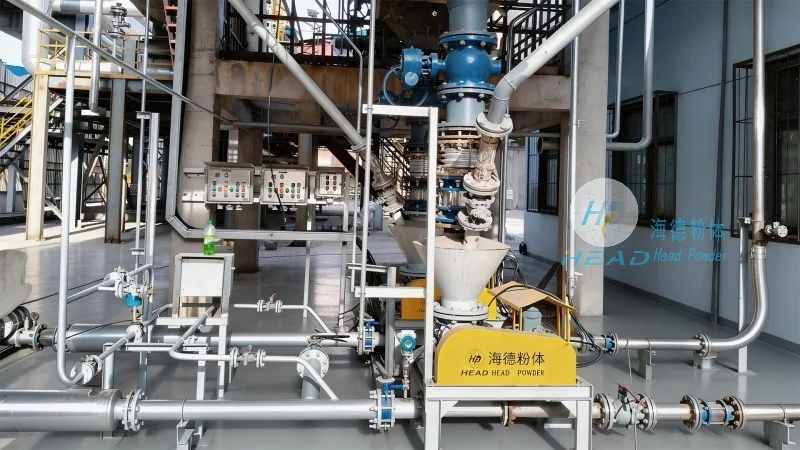
Sodium sulphate material conveying lines are widely used in various industrial applications due to their efficiency and reliability. In the detergent industry, for example, sodium sulphate is used as a filler and as a component in the production of laundry detergents. The conveying line ensures that the material is transported from storage to the production line without any loss or contamination, which is critical for maintaining product quality. In the glass manufacturing industry, sodium sulphate is used as a flux to lower the melting point of silica, and the conveying line helps in the efficient transport of the material to the glass furnaces. The benefits of using a specialized conveying line include improved operational efficiency, reduced labor costs, and enhanced safety by minimizing manual handling of the material.
Conclusion
In conclusion, a sodium sulphate material conveying line is a critical component in industrial operations that handle this essential chemical. The design principles and components of such a line are tailored to the specific properties of sodium sulphate, ensuring efficient, safe, and reliable material transport. By understanding the key design elements and components, industrial facilities can optimize their material handling processes, leading to improved productivity and reduced operational costs. As a leading provider in this field, Shandong HeadPowder Engineering Co., Ltd., based in Shandong, China, specializes in designing and manufacturing customized conveying lines that meet the unique needs of their clients, ensuring that the material is handled with precision and care.