

What is a Micropowder Material Conveying Line? And What Are Its Design Principles?
Micro-powder material conveying lines are specialized systems engineered to handle and transport fine powders, such as micropowders, with precision and efficiency. These lines are crucial in industries where handling fine particles is essential, ensuring consistent flow, minimal loss, and safe operation. The design of these conveying systems is tailored to the unique properties of micropowders, including their particle size, density, and flow characteristics.
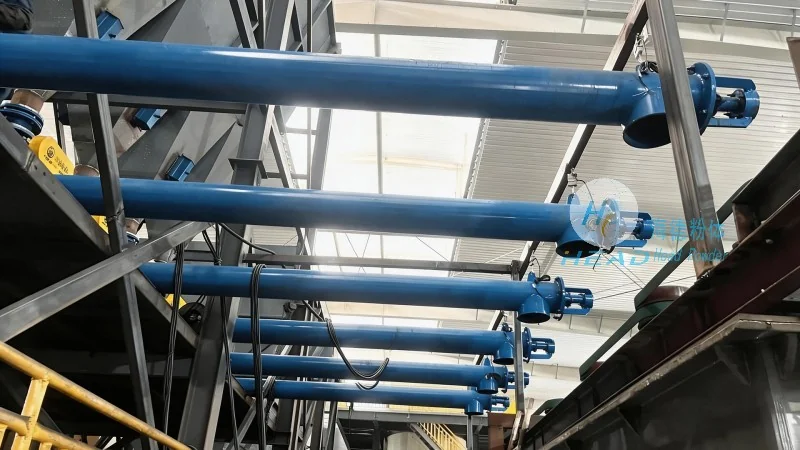
Understanding the Core Components of a Micropowder Material Conveying Line
A typical micropowder material conveying line consists of several key components that work in harmony to achieve effective material transport. These components include feeders, conveyors, separation devices, and control systems. Each component is selected and configured based on the specific requirements of the micropowder being handled. For instance, feeders are often used to regulate the flow rate of the powder, preventing overloading or underflow. Conveyors, such as pneumatic or mechanical systems, then transport the powder from one location to another. Separation devices, like cyclones or filters, may be integrated to remove contaminants or separate different particle sizes. Control systems ensure that the entire process operates smoothly and safely, adjusting parameters as needed to maintain optimal performance.
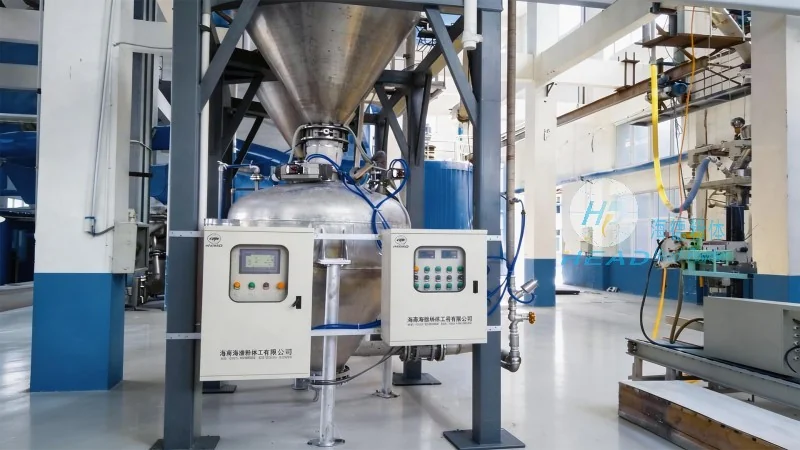
The Design Principles Behind Micropowder Material Conveying Lines
The design principles of micropowder material conveying lines focus on several critical factors to ensure reliable and efficient operation. First, the system must address the challenges posed by fine particles, which can lead to issues like caking, agglomeration, and blockages. Engineers employ various techniques, such as adding anti-caking agents or using vibration to prevent these problems. Second, the design prioritizes minimizing material loss and ensuring complete transfer from the source to the destination. This is achieved through proper sealing, efficient conveying methods, and effective control of pressure and flow. Third, safety is a paramount consideration. Micropowders can be hazardous, especially if they are toxic or explosive. Therefore, the design incorporates safety features like explosion-proof components, dust collection systems, and emergency shut-off mechanisms. Finally, the system is designed for easy maintenance and cleaning, as micropowders can adhere to surfaces and require regular upkeep to maintain performance.
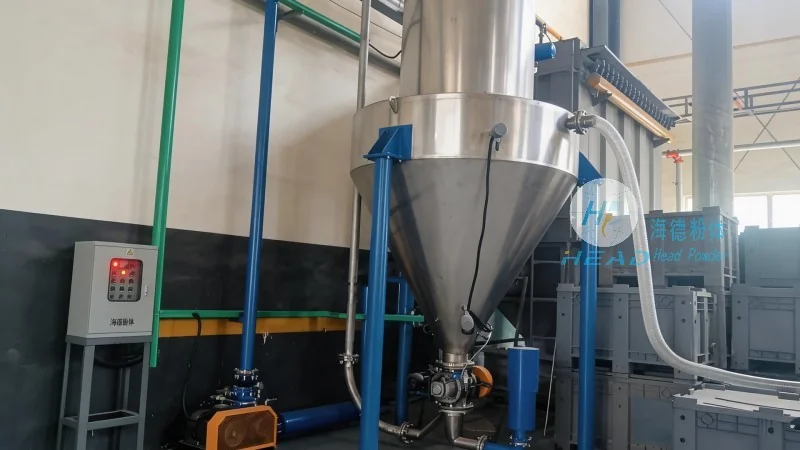
Key Design Considerations for Micropowder Material Conveying Lines
When designing a micropowder material conveying line, several key considerations must be addressed to meet the specific needs of the application. Particle size and density are primary factors, as they influence the conveying method and equipment selection. For example, very fine powders may require pneumatic conveying systems, while larger particles might be better suited for mechanical conveyors. The flow characteristics of the powder, including its bulk density and flowability, also play a role in determining the type of feeder and conveyor. Additionally, the distance and elevation change between the source and destination affect the design, as these factors impact the required power and system configuration. Environmental factors, such as temperature and humidity, must also be considered, as they can affect the behavior of the micropowder and the performance of the conveying equipment. Finally, the integration of the conveying line with existing processes is crucial, ensuring that it fits seamlessly into the overall production workflow.
Applications and Industries Utilizing Micropowder Material Conveying Lines
Micropowder material conveying lines are widely used across various industries where fine powders are a critical component. In the pharmaceutical industry, these systems are essential for transporting active pharmaceutical ingredients (APIs) and excipients, ensuring that the powders are handled hygienically and without contamination. The food and beverage industry also relies on micropowder conveying lines for ingredients like spices, flavors, and colorants, maintaining product quality and consistency. The chemical industry uses these systems to transport chemicals, catalysts, and other fine powders, supporting processes like chemical synthesis and processing. Additionally, the cosmetics industry utilizes micropowder conveying lines for ingredients like pigments and fillers, ensuring that the final products are of high quality and free from defects. Each of these industries benefits from the precision and efficiency of micropowder material conveying lines, which help to maintain product integrity and operational efficiency.
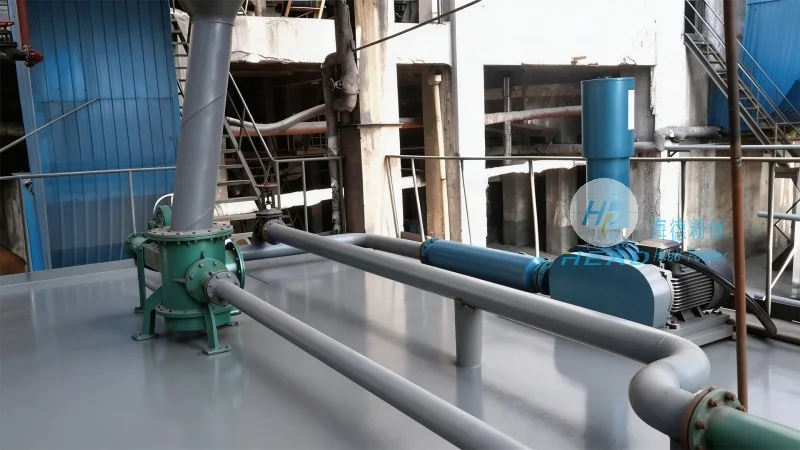
Conclusion: The Importance of Proper Design and Implementation
In conclusion, micropowder material conveying lines are sophisticated systems that play a vital role in industries handling fine powders. The design principles and components of these lines are carefully selected to address the unique challenges of micropowders, ensuring reliable, efficient, and safe operation. By considering factors such as particle size, flow characteristics, and environmental conditions, engineers can design systems that meet the specific needs of the application. The integration of advanced control systems and safety features further enhances the performance and reliability of these conveying lines. As industries continue to rely on fine powders for their products, the importance of well-designed micropowder material conveying lines will only grow, supporting the production of high-quality materials and maintaining operational efficiency.