

What is a White Ash Material Conveying Line? And What Are Its Design Principles?
White ash material conveying lines are essential systems used in various industrial applications to transport white ash and similar bulk materials efficiently. These lines are designed to handle the unique characteristics of white ash, such as its fine particle size, moisture content, and potential for dust generation. The primary goal of these conveying systems is to ensure safe, reliable, and cost-effective material transport from the source to the destination, whether it's for storage, processing, or disposal. Understanding the components and design principles of such lines is crucial for optimizing operational performance and maintaining compliance with safety standards.
Key Components of White Ash Conveying Lines
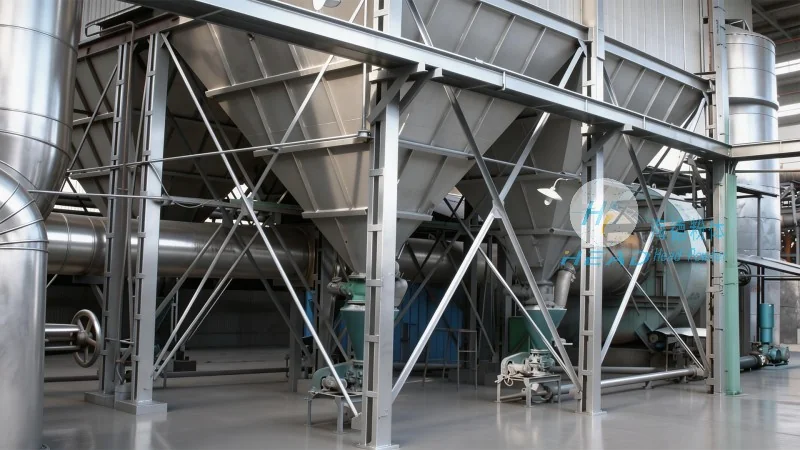
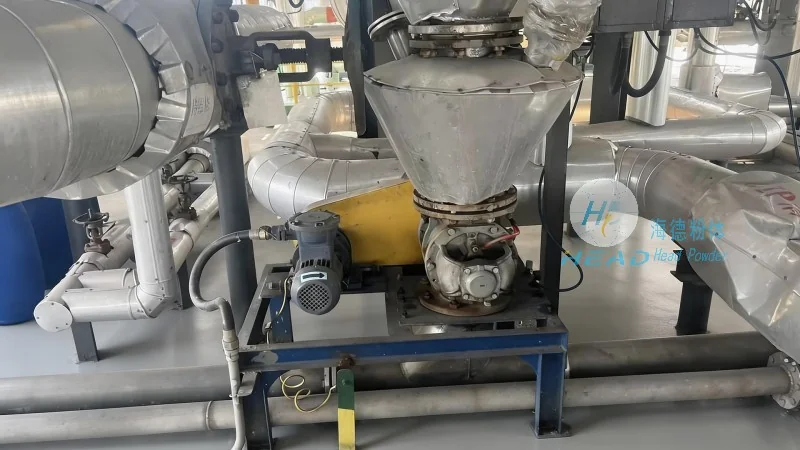
White ash material conveying lines typically consist of several critical components that work in tandem to achieve efficient material transport. The main components include a feeding device, a conveyor mechanism (such as a belt conveyor, screw conveyor, or pneumatic conveyor), a control system, and a dust collection system. The feeding device, often a hopper or a feeder, ensures a consistent flow of white ash into the conveyor. The conveyor mechanism then transports the material along the designated path, which may involve vertical or horizontal movement, or a combination of both. The control system monitors and regulates the operation of the conveyor, ensuring it runs smoothly and safely. Finally, the dust collection system is crucial for controlling airborne dust, which is a common issue with white ash due to its fine particles. This system helps maintain a safe working environment and prevents dust from contaminating other areas of the facility.
Design Principles for White Ash Conveying Lines
The design of white ash material conveying lines follows specific principles to address the challenges associated with handling this type of material. One of the key principles is the use of appropriate materials for the conveyor components to prevent corrosion and wear. White ash often contains acidic or abrasive particles, which can damage standard materials over time. Therefore, components like hoppers, chutes, and conveyor belts are typically made from corrosion-resistant materials such as stainless steel or high-density polyethylene. Another important principle is the consideration of the material's flow characteristics. White ash can be prone to bridging or caking, which can cause blockages in the conveyor. To mitigate this, the design may include features like vibration devices or agitators to ensure smooth flow. Additionally, the system is designed to minimize dust generation by using enclosed conveyor sections and efficient dust collection mechanisms. This not only improves safety but also helps maintain the quality of the white ash by preventing contamination from external sources.
Operational Considerations for White Ash Conveying Lines
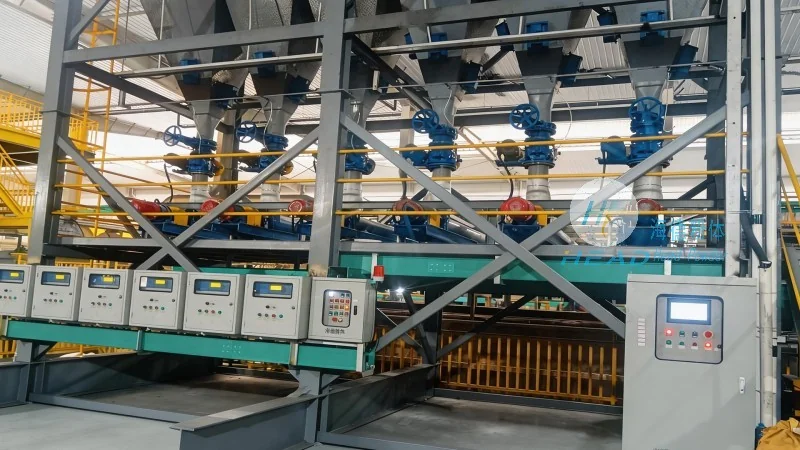
Operational considerations play a vital role in the effective functioning of white ash material conveying lines. Regular maintenance is essential to ensure the system operates efficiently and safely. This includes checking the condition of conveyor belts, inspecting the feeding mechanism for wear, and cleaning the dust collection system to prevent clogging. Proper maintenance can extend the lifespan of the equipment and reduce downtime. Additionally, the system should be equipped with safety features such as emergency stop buttons and overload protection to prevent accidents. These features are particularly important when handling white ash, as it can be a respiratory hazard if inhaled. The control system should also be designed to allow for easy monitoring of the conveyor's performance, including speed, load, and any signs of blockage. This enables operators to quickly identify and address issues before they escalate into more significant problems. Furthermore, the design should consider the environmental impact of the conveying process, such as minimizing dust emissions and ensuring proper disposal of any waste materials.
Applications of White Ash Conveying Lines
White ash material conveying lines are used in a variety of industrial applications where white ash is a byproduct or raw material. These applications include power plants, where white ash is generated from the combustion of coal, and cement plants, where it is used as a raw material in the production of cement. In power plants, the conveying lines transport white ash from the boiler to storage silos or disposal sites. In cement plants, the lines transport white ash to the mixing and grinding processes, where it is incorporated into the cement mixture. Other applications may include the handling of white ash from industrial processes such as metal smelting or chemical manufacturing. In all these cases, the conveying lines are designed to meet the specific requirements of the application, ensuring efficient and safe material transport. The choice of conveyor type and components may vary depending on the application, but the core principles of handling white ash remain consistent across different industries.
Conclusion
In conclusion, white ash material conveying lines are critical systems for efficiently transporting white ash and similar bulk materials in various industrial settings. The design of these lines is based on principles that address the unique challenges of handling white ash, such as its fine particle size, potential for dust generation, and abrasive properties. By incorporating appropriate components like corrosion-resistant materials, dust collection systems, and flow control devices, these lines ensure safe, reliable, and cost-effective material transport. Regular maintenance and operational considerations are essential to maximize the performance and lifespan of the system. As industries continue to rely on white ash in their processes, the importance of well-designed and maintained conveying lines will only grow. Companies like Shandong HeadPowder Engineering Co., Ltd., based in China, specialize in the design and manufacturing of such systems, providing tailored solutions to meet the specific needs of their clients.