

What is a Fly Ash Silo Material Handling System? And What Are Its Design Principles?
For power plants and industrial facilities dealing with fly ash, the efficient handling and storage of this material are critical to operational efficiency and safety. A key component in this process is the fly ash silo material handling system, which is designed to manage the flow of fly ash from collection to storage or further processing. This article explores the functionality of such systems and delves into the underlying design principles that ensure their effectiveness.
Understanding the Fly Ash Silo Material Handling System
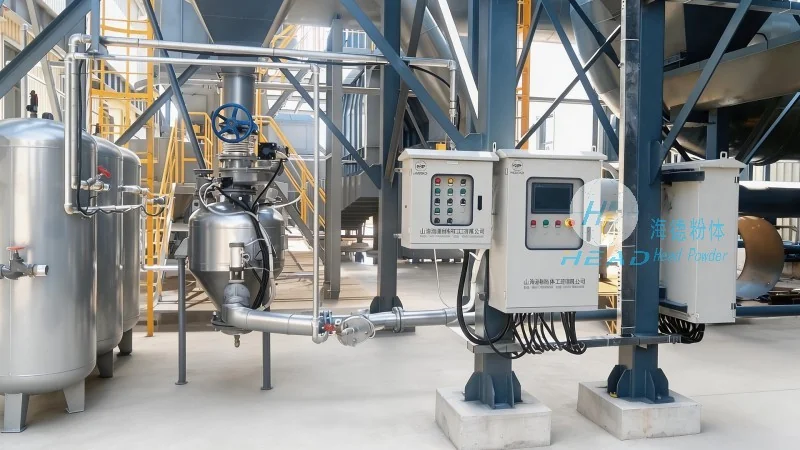
The fly ash silo material handling system is a specialized piece of equipment used in the management of fly ash, a byproduct of coal combustion. Its primary purpose is to collect, transport, and store fly ash in a controlled manner. The system typically consists of several components, including hoppers, conveyors, silos, and control systems, all working in tandem to ensure smooth material flow. These systems are essential for maintaining the integrity of the fly ash, preventing dust emissions, and facilitating the safe handling of the material.
Key Components of the System
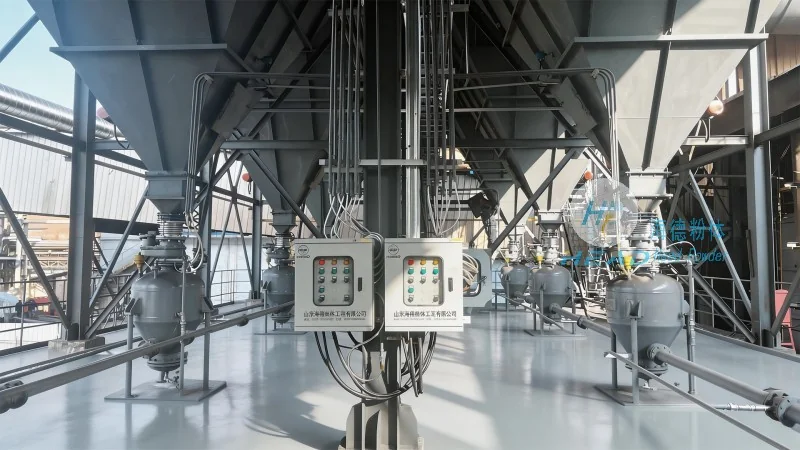
At the core of the fly ash silo material handling system are several critical components that work together to achieve its objectives. The hopper is the initial collection point where fly ash is gathered from the boiler or other sources. It is designed to accommodate the volume of ash produced and to direct it into the subsequent conveying system. The conveyor system, which may include screw conveyors, belt conveyors, or pneumatic systems, transports the fly ash from the hopper to the silo. This component must be capable of handling the abrasive nature of fly ash and ensuring minimal material loss or blockage. The silo itself is a large storage vessel, often made of steel or concrete, with a capacity to store significant amounts of fly ash. It is equipped with a discharge mechanism, such as a bottom outlet or a rotary valve, to control the release of the material when needed. Additionally, the control system monitors the entire process, ensuring that the flow rate, pressure, and other parameters are maintained within safe and efficient operating limits.
Design Principles for Optimal Performance
The design of a fly ash silo material handling system is guided by several key principles aimed at maximizing efficiency, safety, and reliability. One of the primary principles is the minimization of dust generation. This is achieved through the use of enclosed systems, proper sealing of components, and the application of dust suppression measures. By reducing dust emissions, the system not only improves air quality but also prevents the accumulation of ash on equipment, which can lead to blockages and maintenance issues. Another critical design principle is the prevention of material bridging and arching within the silo and hopper. These phenomena can cause flow disruptions and equipment failure, so the design incorporates features such as agitators, vibrators, or air cannons to break up any potential blockages. The system is also designed for easy maintenance and accessibility, with components that can be easily inspected and serviced without extensive downtime. This ensures that the system remains operational and reliable over its service life.
Operational Considerations and Safety Measures
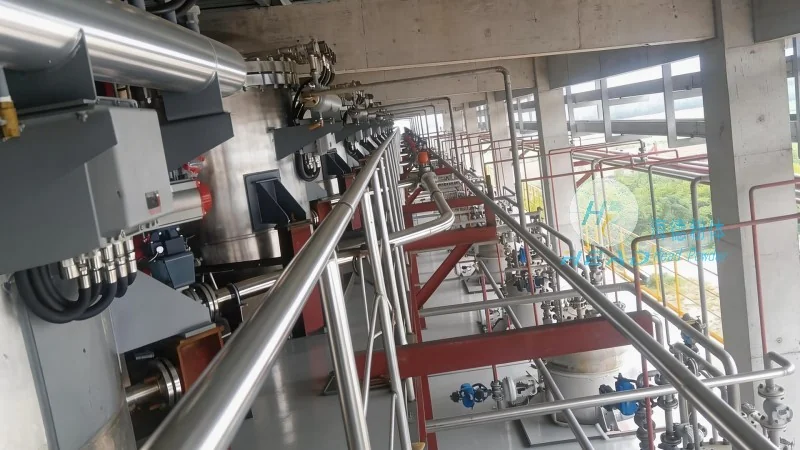
Operational considerations play a vital role in the effective functioning of the fly ash silo material handling system. The system must be designed to handle the varying characteristics of fly ash, including its particle size, moisture content, and density. These variations can affect the flow behavior of the material, and the system must be adaptable to accommodate these changes. Additionally, the system incorporates safety measures to protect personnel and equipment. This includes the use of explosion-proof components in areas where fly ash may be present in flammable concentrations, as well as emergency stop mechanisms and monitoring systems to detect and respond to any abnormal conditions. The control system also provides real-time data on the system's performance, allowing operators to make informed decisions and adjust operations as needed to maintain optimal efficiency.
Conclusion
In conclusion, the fly ash silo material handling system is a sophisticated and essential component in the management of fly ash from power plants and industrial facilities. Its design is based on principles that prioritize efficiency, safety, and reliability, ensuring that the material is handled in a controlled and environmentally responsible manner. By understanding the key components and design principles of this system, facilities can improve their operational performance and ensure the safe and effective management of fly ash. As a leading provider in this field, Shandong HeadPowder Engineering Co., Ltd. specializes in the design, manufacturing, and installation of such systems, leveraging years of experience to deliver solutions that meet the unique needs of their clients.