

What is a Tote Bag Unloading Material Handling System? What are its Design Principles?
Tote bag unloading material handling systems are specialized equipment designed to efficiently transfer bulk materials from large, flexible tote bags into processing or storage facilities. These systems are critical in industries such as chemicals, food processing, pharmaceuticals, and mining, where handling large volumes of powders, granules, or bulk solids is essential. The primary goal of such systems is to streamline material flow, reduce labor costs, and enhance safety by automating the unloading process.
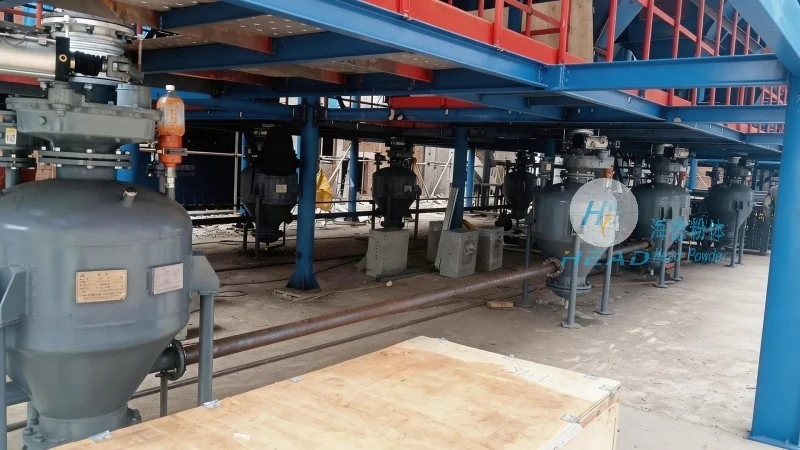
Key Components of a Tote Bag Unloading System
A typical tote bag unloading system consists of several interconnected components that work together to achieve efficient material transfer. The main components include a tote bag support frame, a discharge valve or spout, a conveyor system (often a screw conveyor or belt conveyor), and a dust collection system. The tote bag is placed on the support frame, and the discharge valve is opened to allow the material to flow into the conveyor. The conveyor then transports the material to the next stage of processing or storage. The dust collection system is integrated to capture and filter any airborne particles, ensuring a clean and safe working environment.
Design Principles for Efficient Material Handling
The design of a tote bag unloading system is based on several key principles to ensure optimal performance and reliability. First, the system must be robust and durable to handle heavy loads and harsh operating conditions. The materials used in the construction of the system, such as stainless steel or corrosion-resistant alloys, are chosen to withstand the chemical and physical stresses of the materials being handled. Second, the system is designed for easy maintenance and cleaning to prevent contamination and ensure long-term operation. Modular components allow for quick replacement of parts, reducing downtime. Third, the system is engineered for safety, incorporating features like emergency stop buttons, interlocks, and dust suppression systems to protect operators and the environment. Finally, the design prioritizes energy efficiency, using motorized components that operate at optimal speeds to minimize power consumption while maintaining throughput.
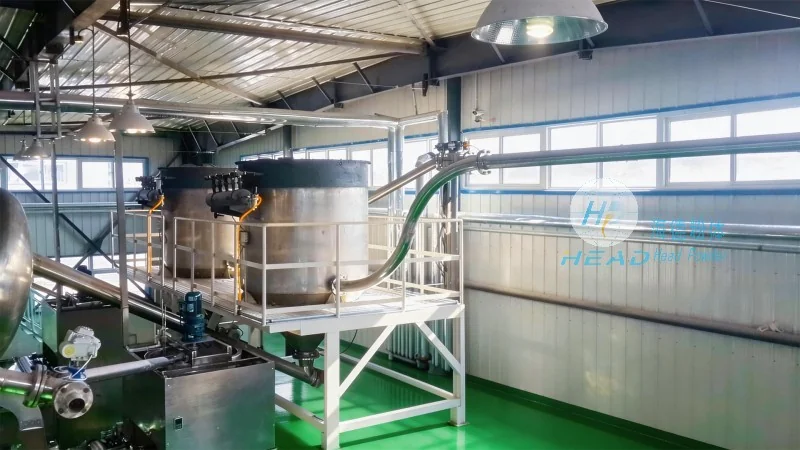
How the System Works: Step-by-Step Operation
The operation of a tote bag unloading system typically follows a standardized process. First, the empty tote bag is placed on the support frame, and the bag is secured in position. Next, the discharge valve is opened, allowing the material to flow from the tote bag into the conveyor. The conveyor then transports the material to a storage silo or processing unit. The system may include a level sensor to monitor the material level in the tote bag and stop the discharge when the bag is empty. After the material is fully discharged, the tote bag is removed and replaced with a new one. The entire process is automated, reducing the need for manual labor and minimizing the risk of human error.
Benefits of Using a Tote Bag Unloading System
Implementing a tote bag unloading system offers numerous benefits for industrial operations. One of the most significant advantages is increased efficiency, as the system automates the material handling process, reducing the time and labor required for unloading. This leads to higher production throughput and improved operational productivity. Another key benefit is improved safety, as the system minimizes the need for workers to handle heavy tote bags or operate in dusty environments. The dust collection system also helps to maintain a clean and healthy workplace, reducing the risk of respiratory issues and other health hazards. Additionally, the system enhances product quality by preventing contamination and ensuring consistent material flow. Finally, the system is cost-effective in the long run, as it reduces labor costs, minimizes material loss, and extends the lifespan of equipment through proper maintenance.
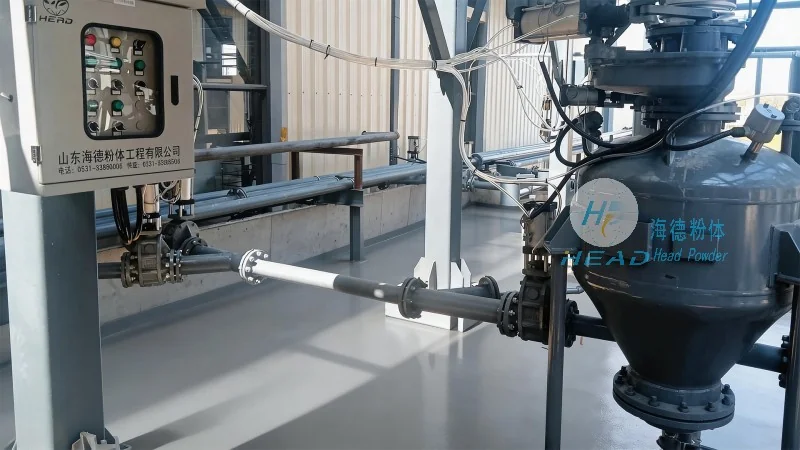
Customization and Integration with Existing Facilities
Shandong HeadPowder Engineering Co., Ltd. specializes in designing and manufacturing customized tote bag unloading systems tailored to the specific needs of each client. The company, known as HeadPowder, works closely with clients to understand their operational requirements, material characteristics, and facility constraints. The design process involves detailed engineering, including 3D modeling and simulation, to ensure the system meets all performance and safety standards. The systems can be integrated with existing processing lines or storage facilities, minimizing the need for major infrastructure changes. HeadPowder also provides comprehensive after-sales support, including installation, training, and maintenance services, to ensure the system operates at peak performance for years to come.
Conclusion: The Role of Tote Bag Unloading Systems in Modern Manufacturing
Tote bag unloading material handling systems are essential equipment for industries that rely on bulk material handling. By automating the unloading process, these systems enhance efficiency, safety, and product quality while reducing operational costs. The design principles and components of such systems are carefully engineered to meet the demands of modern manufacturing, ensuring reliable and consistent performance. As industries continue to evolve and demand higher productivity, the importance of efficient material handling systems like tote bag unloading systems will only grow. With its expertise in engineering and manufacturing, Shandong HeadPowder Engineering Co., Ltd. plays a key role in providing these critical systems to clients worldwide, helping them achieve their operational goals and maintain a competitive edge in their respective markets.