

[Cement Clinker Material Handling System Equipment: Understanding Its Design Principles]
Cement clinker, a critical intermediate product in cement manufacturing, requires efficient and reliable material handling systems to ensure smooth production flow. The cement clinker material handling system equipment plays a pivotal role in transporting clinker from production units to storage or further processing stages. This article explores the design principles behind such systems, highlighting the technical aspects and engineering considerations that contribute to their effectiveness.
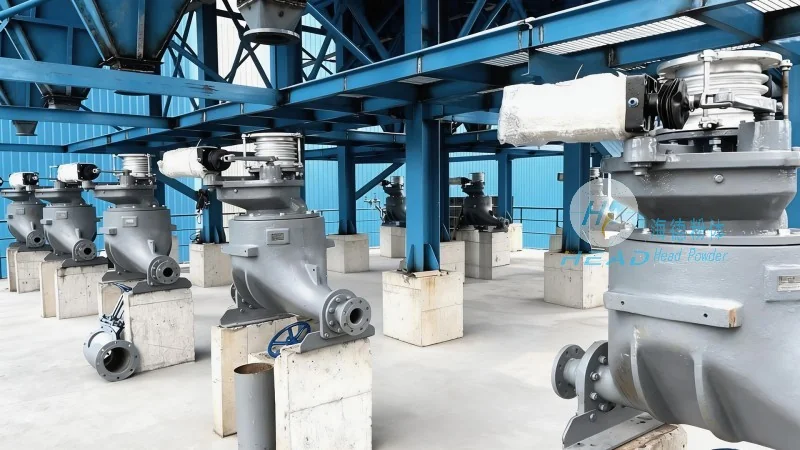
HeadPowder: A Leading Provider of Cement Industry Solutions
Shandong HeadPowder Engineering Co., Ltd., a prominent enterprise based in China, specializes in the design, manufacturing, and supply of advanced material handling equipment for the cement sector. With a strong commitment to innovation and quality, HeadPowder has established itself as a trusted partner for cement plants worldwide. The company’s expertise lies in developing customized solutions that meet the specific operational requirements of clients, ensuring optimal performance and durability.
Key Components of Cement Clinker Material Handling Systems
The cement clinker material handling system typically consists of several key components, each designed to perform a specific function in the material transport process. These components include conveyor belts, bucket elevators, feeders, and control systems. The conveyor belts, often made of high-strength rubber or synthetic materials, are responsible for transporting clinker over horizontal or inclined distances. Bucket elevators, on the other hand, are used for vertical lifting, efficiently moving clinker from lower to higher levels within the plant. Feeders regulate the flow of clinker, ensuring a consistent and controlled discharge rate to downstream equipment. Control systems, equipped with sensors and automation technology, monitor and adjust the operation of these components in real-time, enhancing system efficiency and safety.
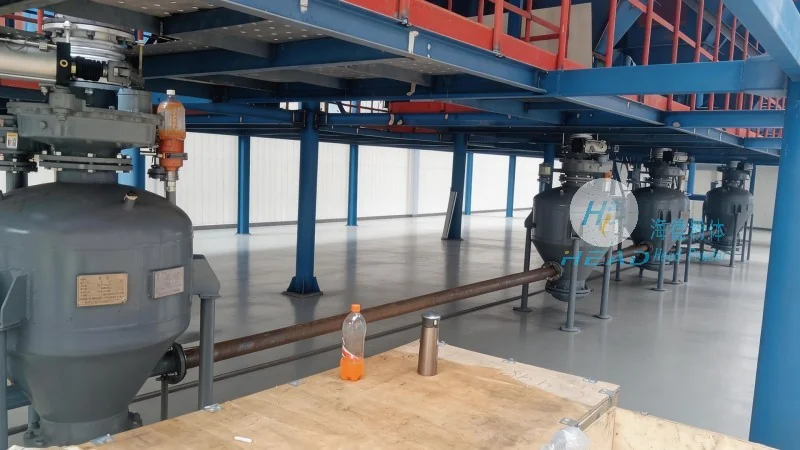
Design Principles for Optimal Performance
The design of cement clinker material handling systems follows several fundamental principles aimed at maximizing efficiency, minimizing downtime, and ensuring operational safety. One of the primary design considerations is the selection of appropriate materials for construction. Components such as conveyor belts and buckets are often made from wear-resistant materials like rubber or steel, which can withstand the abrasive nature of clinker and extend the system's service life. The system's layout is carefully planned to minimize the number of transfers and vertical lifts, reducing energy consumption and wear on equipment. Additionally, the integration of advanced control technologies, such as variable frequency drives (VFDs) and sensors, allows for precise speed and flow control, adapting to varying production rates and preventing overloading or underloading of components.
Ensuring Reliability and Durability
Reliability is a critical factor in cement clinker material handling systems, as any downtime can lead to significant production losses. HeadPowder employs rigorous engineering standards and quality control measures to ensure the durability and reliability of its equipment. The use of high-quality materials, robust construction, and thorough testing before delivery helps minimize the risk of failures. Regular maintenance and inspection programs are also recommended to keep the system operating at peak performance. By adhering to these principles, cement plants can achieve consistent and reliable clinker transport, supporting their overall production goals.
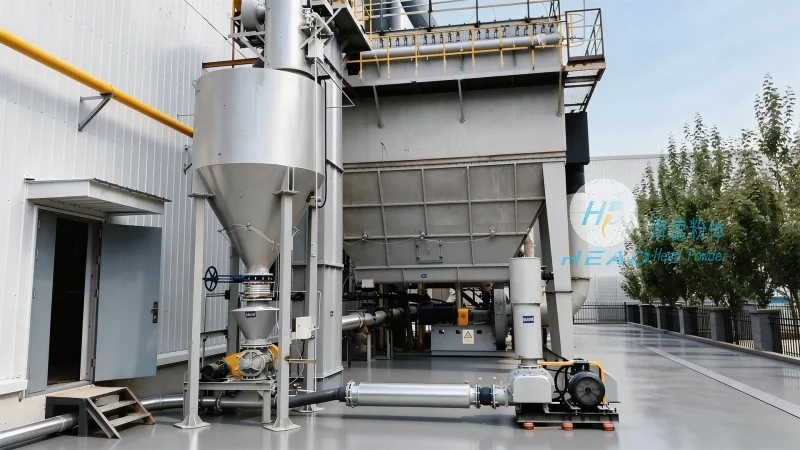
Application in Cement Production Processes
Cement clinker material handling systems are integral to various stages of cement production. After clinker is produced in rotary kilns, it is typically cooled and then transported to storage silos or grinding units. The system ensures that clinker is moved efficiently from the cooling machine to the storage facility, or from storage to the grinding mill for further processing. The design of the system must account for the clinker's temperature, moisture content, and bulk density, as these factors can affect the performance of the conveying equipment. For example, high-temperature clinker may require special insulation or cooling measures to prevent equipment damage. The system's flexibility to handle different clinker characteristics makes it a versatile solution for cement plants operating under diverse conditions.
Conclusion
In conclusion, the cement clinker material handling system equipment is a vital component of modern cement production, enabling efficient transport of clinker and supporting overall plant operations. The design principles, including material selection, system layout, and control technology, are crucial in ensuring the system's effectiveness and reliability. Shandong HeadPowder Engineering Co., Ltd., with its expertise and commitment to quality, provides advanced solutions tailored to the needs of cement manufacturers. By understanding and implementing these design principles, cement plants can enhance their operational efficiency, reduce costs, and achieve sustainable production goals.