

What is an Alumina Hydroxide Material Handling System? What is its Design Principle?
Alumina hydroxide, a key chemical compound widely used in various industrial sectors, requires efficient and reliable material handling systems to ensure smooth production processes. The alumina hydroxide material handling system is a specialized equipment setup designed to transport, store, and manage this specific material with precision and safety. For industries dealing with alumina hydroxide, such as chemical manufacturing, pharmaceuticals, and ceramics, having an optimized material handling system is crucial for maintaining operational efficiency and product quality. This article delves into the components, design principles, and operational aspects of the alumina hydroxide material handling system, providing insights into how it enhances industrial productivity.
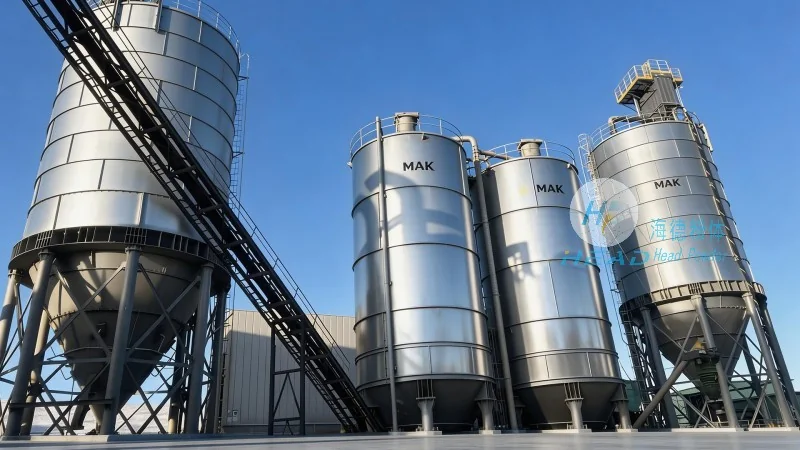
Key Components of the Alumina Hydroxide Material Handling System
The alumina hydroxide material handling system typically consists of several integrated components that work in tandem to achieve effective material management. These components include storage silos or hoppers, conveyor systems (such as belt conveyors or screw conveyors), feeding mechanisms, and control systems. The storage silos are designed to hold large quantities of alumina hydroxide, ensuring a steady supply for processing. Conveyor systems are used to transport the material from storage to processing units, while feeding mechanisms regulate the flow rate to match production demands. Control systems, often equipped with sensors and automation technology, monitor the entire process, ensuring safety and efficiency. Each component is engineered to handle the unique properties of alumina hydroxide, such as its moisture content and particle size, to prevent clogging or degradation during transport.
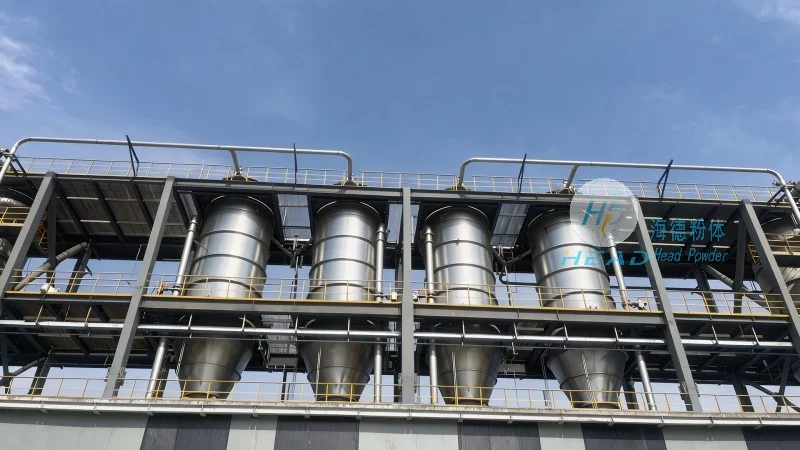
Design Principles for Optimal Performance
The design of an alumina hydroxide material handling system follows several critical principles to ensure durability, efficiency, and safety. First, the system must be constructed from materials that are resistant to corrosion and chemical reactions, as alumina hydroxide can be reactive under certain conditions. Stainless steel or specialized alloys are commonly used for components that come into direct contact with the material. Second, the system is designed to minimize material degradation, as alumina hydroxide can lose its quality if exposed to air or moisture for extended periods. Airtight storage and enclosed conveyor systems help maintain the material's integrity. Third, the system incorporates safety features to prevent accidents, including emergency stop buttons, overload protection, and dust suppression systems. These features are essential in industrial environments where alumina hydroxide may pose health risks if inhaled or ingested. The design also considers space optimization, ensuring that the system fits within the production facility without compromising functionality. By adhering to these principles, the alumina hydroxide material handling system maximizes operational efficiency while maintaining safety standards.
Operational Efficiency and Process Integration
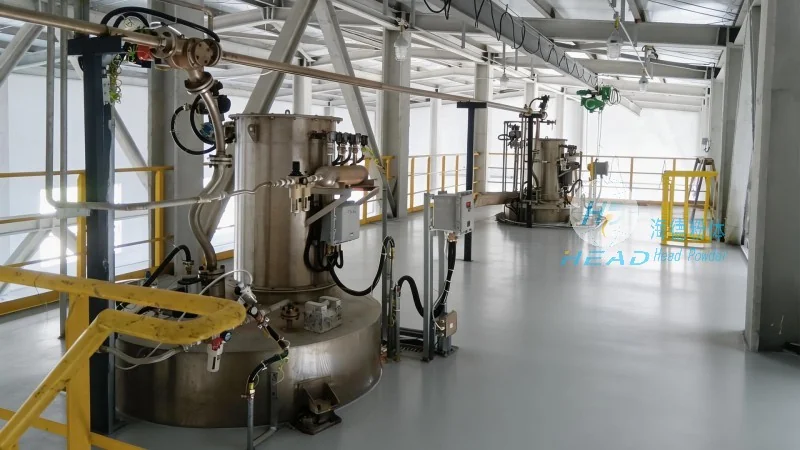
Efficient operation of the alumina hydroxide material handling system is vital for seamless integration into production workflows. The system is designed to work in harmony with other processing equipment, such as reactors or mixers, to create a continuous production line. Automation plays a significant role in optimizing operations, with sensors monitoring the material level in silos and adjusting conveyor speeds accordingly. This real-time adjustment ensures that the material is processed at the optimal rate, reducing waste and improving productivity. The system also includes maintenance features, such as easy access to components for cleaning and inspection, which helps minimize downtime. Regular maintenance schedules are recommended to keep the system in top condition, ensuring consistent performance over time. By integrating these operational strategies, the alumina hydroxide material handling system enhances overall plant efficiency and reduces operational costs.
About Shandong HeadPowder Engineering Co., Ltd.
Shandong HeadPowder Engineering Co., Ltd., commonly known as HeadPowder, is a leading manufacturer specializing in material handling systems for various industrial applications. With a strong commitment to quality and innovation, HeadPowder has established itself as a trusted partner in the chemical and industrial sectors. The company's expertise lies in designing and manufacturing customized material handling solutions, including alumina hydroxide systems, tailored to meet the specific needs of clients. HeadPowder's team of engineers and technicians leverages advanced technology and years of industry experience to develop systems that are reliable, efficient, and safe. The company's headquarters is located in Shandong, China, where it operates a state-of-the-art manufacturing facility equipped with modern equipment and stringent quality control measures. HeadPowder adheres to international standards and continuously invests in research and development to stay at the forefront of material handling technology. Clients benefit from HeadPowder's comprehensive approach, which includes design, manufacturing, installation, and after-sales support, ensuring a seamless experience from start to finish.