

Dust Collector Powder Pneumatic Conveying: What It Is and Its Design Principles
Understanding dust collector powder pneumatic conveying is crucial for optimizing material handling in industrial settings. This technology involves the transport of powders and particulate materials using pressurized air or vacuum systems, which are integral to the operation of dust collection systems. The design principles behind this system are centered on efficient material transport, minimal particle loss, and effective integration with existing dust control infrastructure.
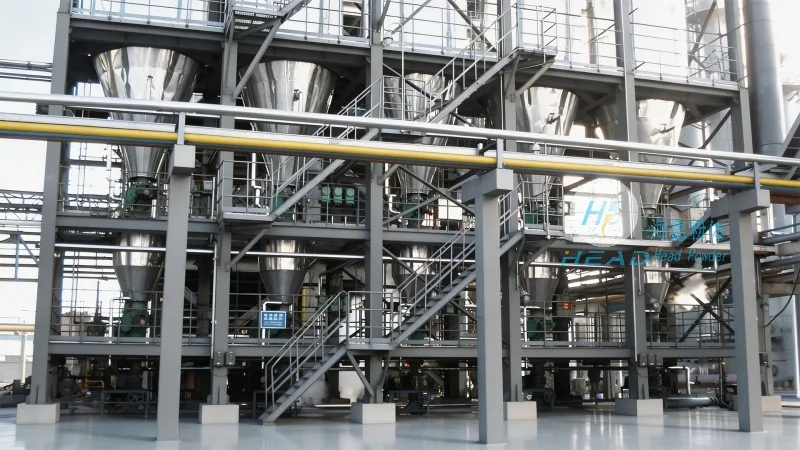
Introduction to Dust Collector Powder Pneumatic Conveying
Dust collector powder pneumatic conveying is a method used to transport powders from dust collection equipment, such as baghouses or cartridge filters, to storage or processing areas. This process is vital for maintaining the efficiency of dust control systems and ensuring that collected powders are handled safely and effectively. The system typically consists of a dust collector, a conveying line, and a receiver or storage vessel. The primary goal is to transfer the collected material without compromising air quality or causing re-entrainment of particles.
Key Components and Design Principles
The design of a dust collector powder pneumatic conveying system relies on several key components and principles to ensure optimal performance. The first component is the dust collector itself, which traps particulate matter from the air stream. Once collected, the material is transferred to a conveying line, which may use either positive pressure (air blowing the material) or negative pressure (air sucking the material). The choice between these two methods depends on factors such as the material's properties, the distance to be conveyed, and the system's overall efficiency. The conveying line is usually made of flexible or rigid tubing, with appropriate fittings and valves to control the flow of material and air.
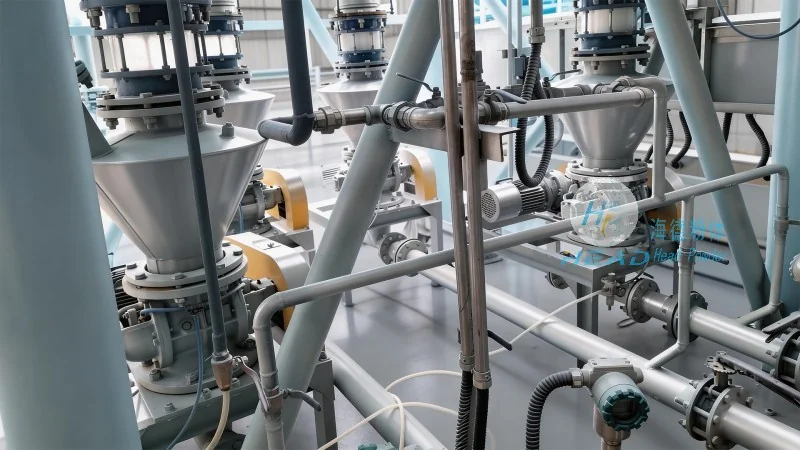
Another critical component is the receiver or storage vessel, where the conveyed powder is deposited. This vessel must be designed to prevent material buildup and ensure easy access for maintenance or further processing. The design also considers the need for proper air filtration and pressure regulation to maintain the system's performance. For example, in positive pressure systems, the air is filtered before being released to the environment, while in negative pressure systems, the air is drawn through the filter and then treated to remove any residual particles.
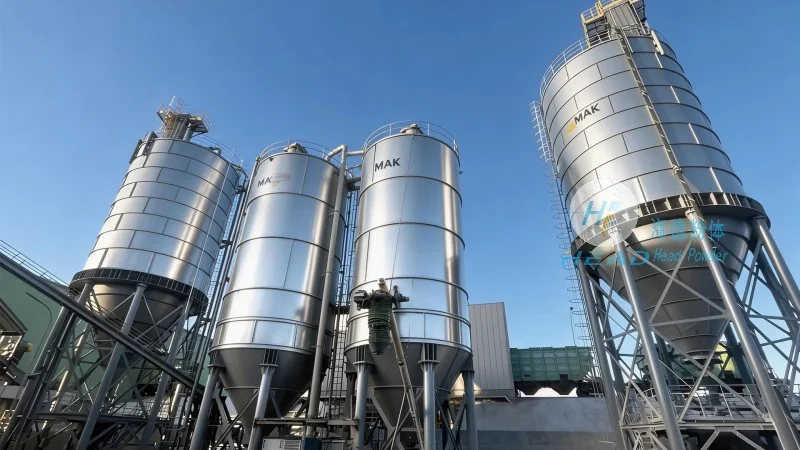
Material Handling and System Integration
Efficient material handling is a core aspect of dust collector powder pneumatic conveying. The system must be able to handle a wide range of powder types, from fine powders to bulk materials, without causing blockages or system failures. This requires careful consideration of the material's flow properties, such as its angle of repose and compressibility. The design may include features like vibration or agitation to prevent material bridging or caking in the conveying line or receiver. Additionally, the system must be integrated seamlessly with the dust collector and other industrial equipment to ensure smooth operation and minimal downtime.
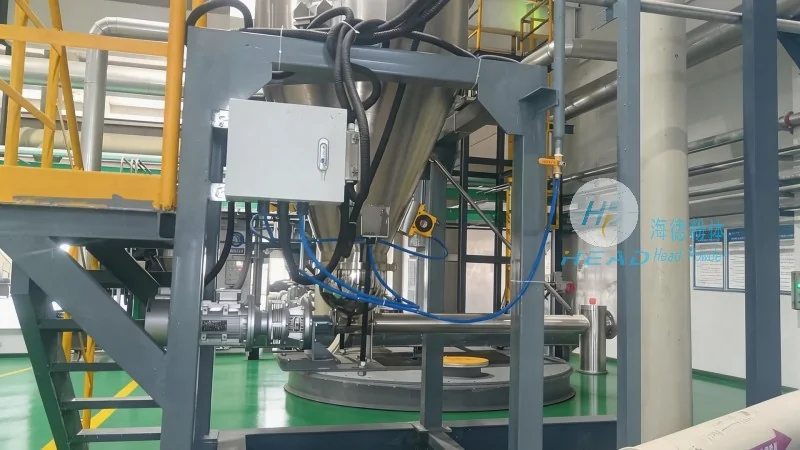
Advantages and Considerations
There are several advantages to using dust collector powder pneumatic conveying. One of the main benefits is the ability to transport materials over long distances without the need for mechanical components like conveyors or elevators. This reduces maintenance costs and improves system reliability. Another advantage is the reduced risk of particle re-entrainment compared to other material handling methods, as the system is enclosed and controlled. However, there are also considerations to keep in mind, such as the energy consumption of the system, which can be significant depending on the material and distance. Additionally, the system must be designed to handle the specific properties of the material, such as its dust explosion risk or moisture content, to ensure safety and compliance with regulations.
Conclusion
Dust collector powder pneumatic conveying is a sophisticated system that combines effective dust control with efficient material handling. The design principles behind this technology focus on optimizing material transport, ensuring safety, and maintaining system efficiency. By understanding the key components and design considerations, industrial facilities can implement a system that meets their specific needs and improves overall operational performance. For companies seeking to enhance their dust control and material handling capabilities, working with experienced engineering firms like Shandong HeadPowder Engineering Co., Ltd. can provide the expertise needed to design and implement a successful system.