

What is Dust Powder Pneumatic Conveying? And What Are Its Design Principles?
Understanding dust powder pneumatic conveying systems is crucial for industries dealing with bulk materials. This method involves transporting particulate materials like dust and powders through a pipeline using pressurized air or suction. The design principles behind such systems are intricate, balancing efficiency, material handling capacity, and system reliability.
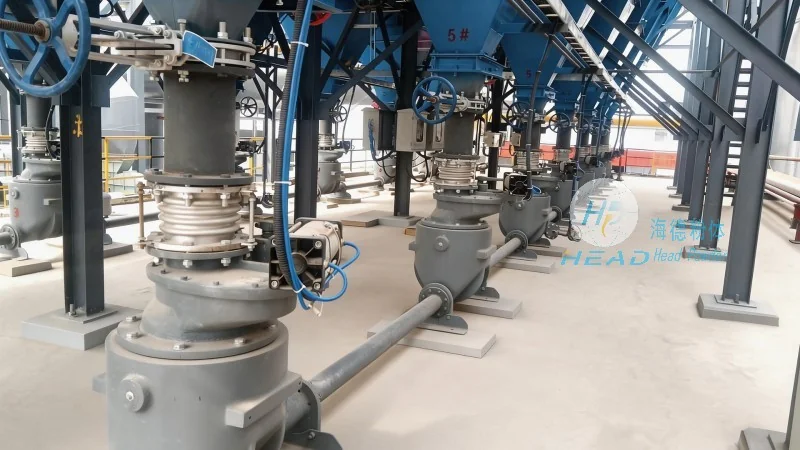
Introduction to Dust Powder Pneumatic Conveying
Dust powder pneumatic conveying is a technology used to transport dry, fine materials through a closed system using air as the conveying medium. Unlike mechanical conveyors, which rely on physical contact, pneumatic systems use air pressure or vacuum to move materials. This method is particularly effective for handling materials that are dusty, abrasive, or sensitive to moisture. The core of this technology lies in the design of the conveying system, which must be tailored to the specific characteristics of the material being transported.
Key Components and Design Principles
The design of a dust powder pneumatic conveying system involves several critical components, each playing a vital role in ensuring efficient material transport. The primary components include the material feed hopper, the conveying line (pipeline), the air supply system (blowers or compressors), and the control valves. The design principles focus on optimizing the flow of both the material and the air to achieve maximum throughput while minimizing energy consumption and wear on system components.
One of the fundamental design considerations is the selection of the appropriate air velocity. The air velocity must be high enough to overcome the gravitational and frictional forces acting on the particles but not so high as to cause excessive wear or damage to the pipeline. The design also involves calculating the required air volume and pressure to ensure that the material is fully entrained and transported without segregation or degradation. Material properties, such as particle size, density, and moisture content, are critical factors that influence the design parameters. For example, fine powders may require higher air velocities and more robust filtration systems to prevent clogging and maintain system efficiency.
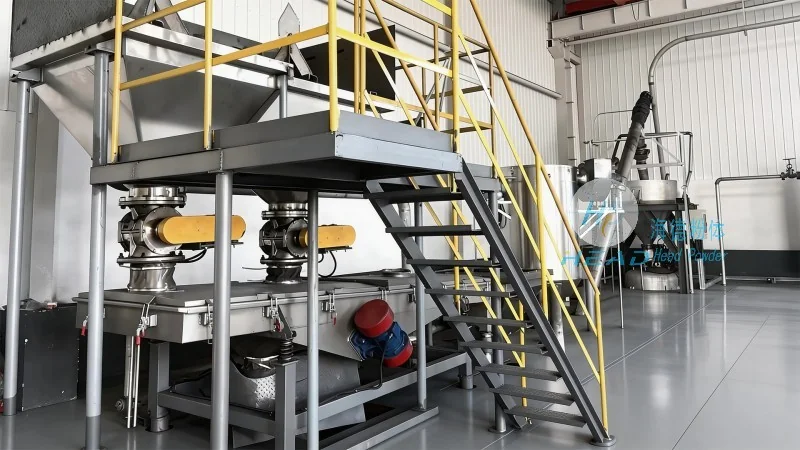
System Design Considerations for Different Applications
The design of a dust powder pneumatic conveying system varies depending on the specific application and the characteristics of the material. For example, in industrial settings where large volumes of dust are generated, a positive pressure system may be preferred, as it provides a continuous flow of air and material, reducing the risk of material buildup or clogging. In contrast, negative pressure (suction) systems are often used for applications requiring the collection of dust from a specific area, such as in dust collection systems. The choice between positive and negative pressure systems depends on factors like the distance to be covered, the material's properties, and the desired level of control over the material flow.
Another important design consideration is the system's ability to handle variations in material flow rates. Many industrial processes involve fluctuations in material supply, and the conveying system must be able to adapt to these changes without compromising performance. This often involves incorporating control valves and variable speed drives into the system design. The control system must be able to regulate the air pressure and flow rate in real-time, ensuring that the material is conveyed at a consistent rate and preventing overloading or underloading of the system.
Advantages and Challenges of Dust Powder Pneumatic Conveying
Despite its benefits, dust powder pneumatic conveying systems come with their own set of advantages and challenges. The primary advantages include the ability to transport materials over long distances, the lack of mechanical parts in contact with the material (reducing wear and contamination), and the flexibility to handle a wide range of materials. However, the systems can be more complex and expensive to install and maintain compared to mechanical conveyors. Additionally, they require careful design to prevent material buildup and clogging, which can lead to system downtime and increased maintenance costs.
Another challenge is the need for proper filtration and air cleaning systems. The air used in the conveying process can become contaminated with dust particles, which can affect the performance of downstream equipment or pose health risks to workers. Therefore, the design must include efficient filtration systems to remove these particles from the air stream. This not only improves the system's efficiency but also ensures compliance with environmental regulations.
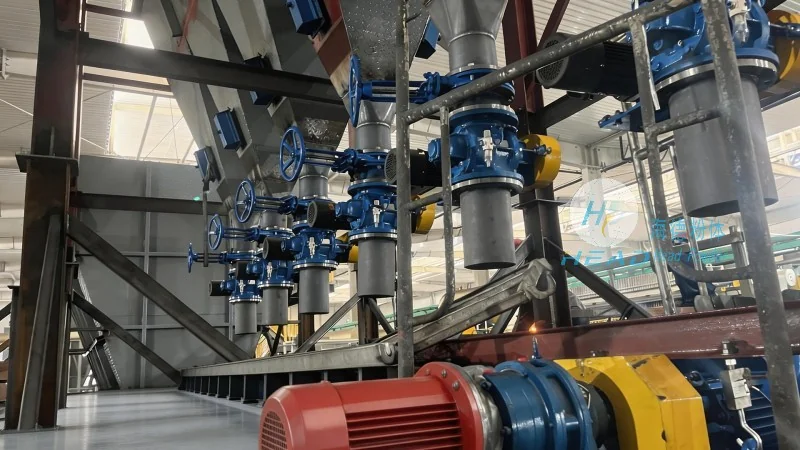
About Shandong HeadPowder Engineering Co., Ltd.
Shandong HeadPowder Engineering Co., Ltd., commonly known as HeadPowder, is a leading provider of dust powder pneumatic conveying solutions. With a focus on innovation and customer satisfaction, the company specializes in designing and manufacturing customized conveying systems tailored to the specific needs of its clients. HeadPowder's team of engineers and technicians has extensive experience in the field, ensuring that each system is designed to meet the highest standards of efficiency, reliability, and safety.
HeadPowder's headquarters is located in Shandong, China, where the company operates a state-of-the-art research and development facility. The company's commitment to quality is evident in its adherence to international standards and its use of advanced manufacturing technologies. By combining expertise in material science, fluid dynamics, and mechanical engineering, HeadPowder delivers solutions that help its clients improve their operational efficiency and reduce costs.
The company's product portfolio includes a wide range of pneumatic conveying systems, from small-scale laboratory units to large industrial systems capable of handling thousands of tons of material per day. Each system is designed with the specific material characteristics and application requirements in mind, ensuring optimal performance and longevity. HeadPowder's dedication to customer service and technical support ensures that clients receive comprehensive assistance throughout the entire project lifecycle, from initial design and installation to ongoing maintenance and troubleshooting.