

What is Peanut Powder Pneumatic Conveying? And What Are Its Design Principles?
When it comes to the efficient handling and transportation of peanut powder, pneumatic conveying systems offer a reliable and effective solution. This article delves into the fundamental aspects of peanut powder pneumatic conveying, exploring what it entails and the key design principles that underpin such systems.
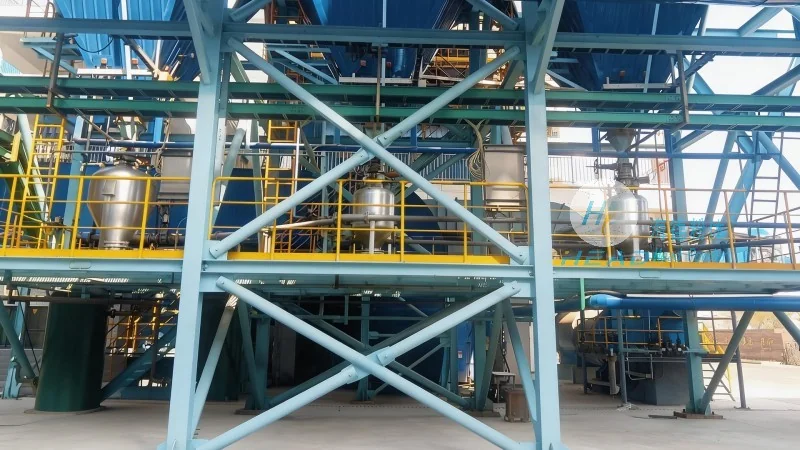
Peanut Powder Pneumatic Conveying: An Overview
Peanut powder pneumatic conveying refers to the process of transporting peanut powder through a pipeline using a carrier gas, typically air or a mixture of air and other gases. This method is widely used in the food processing industry due to its ability to handle fine powders like peanut powder without the need for mechanical components that might cause contamination or product degradation. The system involves the creation of a pressure differential within the pipeline, which draws the peanut powder particles into the flow of the carrier gas, allowing them to be moved from one location to another.
The Core Design Principles of Peanut Powder Pneumatic Conveying Systems
The successful design of a peanut powder pneumatic conveying system relies on several critical principles that ensure optimal performance, efficiency, and product integrity. These principles include the selection of appropriate system type (e.g., pressure or vacuum systems), the determination of the optimal carrier gas velocity, and the consideration of the physical properties of the peanut powder itself. The system must be designed to maintain the powder in a suspended state throughout the conveying process, preventing clogging or blockages that could lead to system failure.
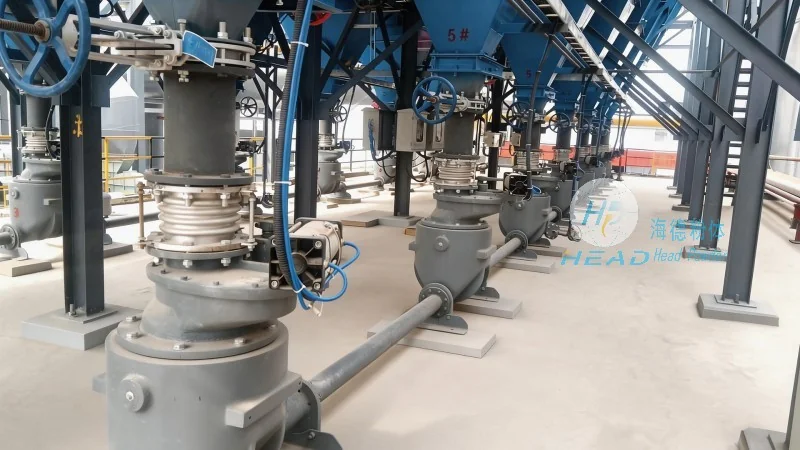
Key Components and Their Roles in the System
Shandong HeadPowder Engineering Co., Ltd., a leading provider of pneumatic conveying solutions, emphasizes the importance of understanding the key components that make up a peanut powder pneumatic conveying system. These components typically include the material feed hopper, the air supply unit (such as a blower or compressor), the conveying pipeline, and the discharge equipment. Each component plays a vital role in ensuring the smooth operation of the system. For instance, the feed hopper is designed to control the flow of peanut powder into the system, while the air supply unit generates the necessary pressure or vacuum to move the powder through the pipeline. The conveying pipeline must be constructed from materials that are compatible with peanut powder and the carrier gas, minimizing the risk of contamination or degradation.
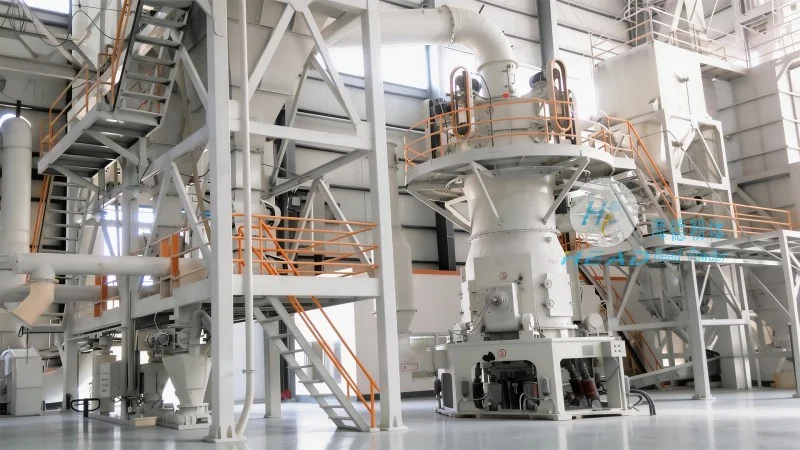
Design Considerations Based on Peanut Powder Characteristics
The physical and chemical properties of peanut powder significantly influence the design of a pneumatic conveying system. Factors such as particle size distribution, moisture content, and bulk density must be carefully considered when selecting the system type and operating parameters. For example, finer peanut powder particles may require higher carrier gas velocities to maintain suspension, while higher moisture content could affect the system's efficiency and require additional drying steps. The design must also account for the potential for agglomeration or caking, which can impact the system's performance and require the use of additives or special processing techniques.
Application-Specific Design Strategies
When designing a peanut powder pneumatic conveying system for specific applications, engineers must consider the distance to be covered, the required flow rate, and the environmental conditions. For short-distance conveying, a pressure system may be sufficient, while long-distance applications often require a combination of pressure and vacuum stages to maintain efficiency. The system's design may also need to incorporate features such as in-line mixers or filters to improve product quality and prevent system blockages. Shandong HeadPowder Engineering Co., Ltd. leverages its expertise in material handling to develop customized solutions that meet the unique requirements of each client, ensuring optimal performance and reliability.