

What is Lithium Oxide Powder Pneumatic Conveying? And What Are Its Design Principles?
Understanding the technology of lithium oxide powder pneumatic conveying is crucial for industries dealing with this specific material. This article aims to provide a comprehensive overview of what pneumatic conveying entails for lithium oxide powders and the underlying design principles that govern such systems.
Introduction to Lithium Oxide Powder Pneumatic Conveying
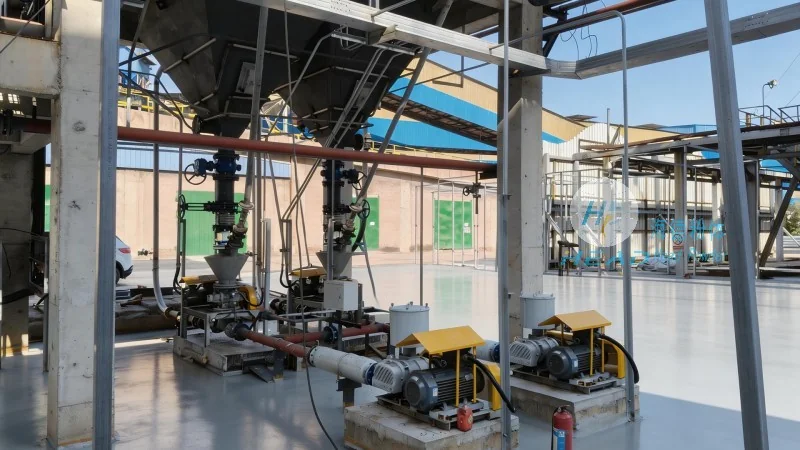
Lithium oxide powder pneumatic conveying refers to the process of transporting lithium oxide powder through a pipeline using a carrier gas, such as air or a specific gas mixture. This method is widely adopted in industrial settings due to its efficiency, flexibility, and ability to handle fine powders like lithium oxide. The system typically involves a source of the powder, a conveying line, and a destination point, all powered by the force of the moving gas.
Key Components of a Pneumatic Conveying System for Lithium Oxide
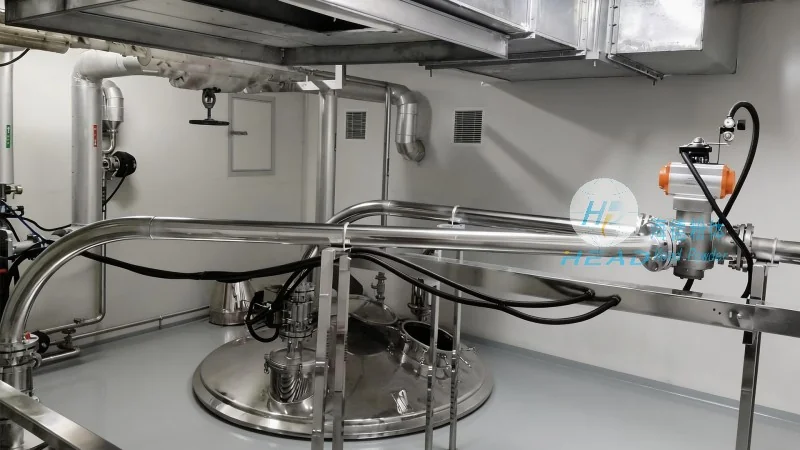
At the core of any pneumatic conveying system for lithium oxide are several essential components. These include a hopper or feeder to store and meter the powder, a blower or compressor to generate the necessary airflow, a pipeline network to transport the powder, and a receiver or collection unit at the end of the line. Each component plays a vital role in ensuring the smooth and efficient transfer of lithium oxide powder.
Design Principles for Lithium Oxide Powder Pneumatic Conveying
The design of a pneumatic conveying system for lithium oxide must consider several critical factors to optimize performance and safety. One of the primary principles is the selection of an appropriate gas velocity. The velocity must be high enough to keep the powder suspended in the gas stream but not so high as to cause excessive wear on the system components or lead to particle degradation. For lithium oxide, which can be sensitive to high shear forces, maintaining a controlled velocity is paramount.
Another crucial design principle is the system's pressure and flow rate. The pressure drop along the pipeline and the required flow rate are determined by the powder's properties, such as particle size, density, and moisture content. Engineers must calculate these parameters carefully to ensure that the conveying system operates within its optimal range, avoiding issues like clogging or insufficient transport capacity.
Advantages of Pneumatic Conveying for Lithium Oxide
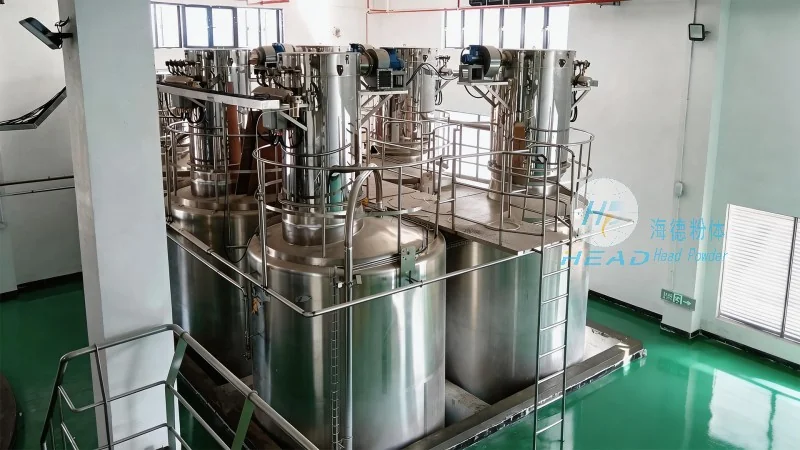
Implementing pneumatic conveying for lithium oxide offers numerous advantages over traditional methods like mechanical conveying. One significant benefit is the ability to handle fine powders without the need for additional equipment like hoppers or screw conveyors. This reduces the risk of material degradation and contamination, which is critical for lithium oxide used in high-purity applications. Additionally, pneumatic systems are more flexible, allowing for changes in the conveying route or destination without major modifications to the infrastructure.
Challenges and Mitigation Strategies in Lithium Oxide Pneumatic Conveying
Despite its benefits, pneumatic conveying of lithium oxide also presents challenges that must be addressed through proper design and maintenance. One common issue is the buildup of powder on the pipeline walls, which can lead to clogging and reduced efficiency. To mitigate this, engineers often incorporate features like pulse jets or vibration systems to keep the interior of the pipeline clean. Another challenge is the potential for dust explosion hazards, especially with fine powders like lithium oxide. Therefore, explosion-proof designs and proper ventilation are essential safety considerations.
Case Study: Application by Shandong HeadPowder Engineering Co., Ltd.
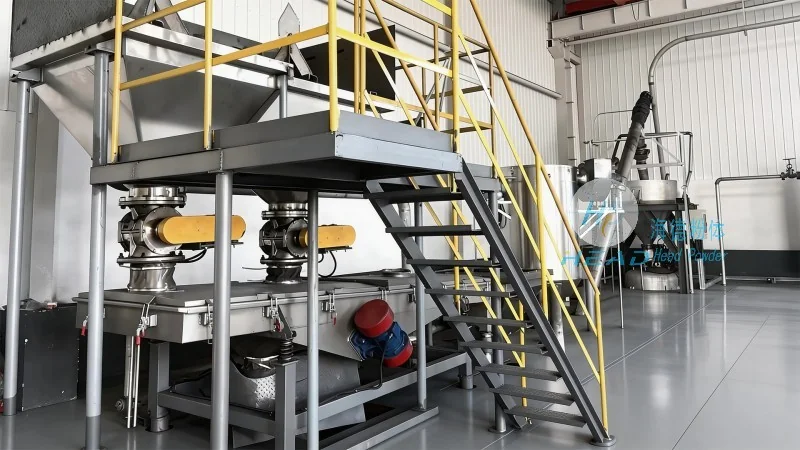
Shandong HeadPowder Engineering Co., Ltd., a leading provider of powder handling solutions, has extensive experience in designing and implementing pneumatic conveying systems for lithium oxide. Based in China, the company specializes in customizing systems to meet the specific needs of clients in various industries, including battery manufacturing and chemical processing. Their expertise ensures that the conveying systems are optimized for the unique properties of lithium oxide, maximizing efficiency while maintaining safety standards.
Conclusion
In conclusion, lithium oxide powder pneumatic conveying is a sophisticated and effective method for transporting this critical material. By adhering to the design principles outlined above and leveraging the expertise of companies like Shandong HeadPowder Engineering Co., Ltd., industries can achieve reliable, efficient, and safe powder handling solutions. The continuous advancement of technology in this field ensures that such systems will remain a cornerstone of modern powder processing operations.