

What is Sodium Nitrate Powder Pneumatic Conveying? And What Are Its Design Principles?
Sodium nitrate, commonly known as Chile saltpeter, is a white crystalline powder widely used in various industrial applications, including fertilizer production, glass manufacturing, and chemical synthesis. Pneumatic conveying is a method of transporting bulk solid materials like sodium nitrate through a pipeline using compressed air or other gas streams. This technology offers several advantages over traditional mechanical conveying systems, such as reduced equipment wear, lower maintenance costs, and the ability to handle materials in a dust-free environment. Understanding the principles behind sodium nitrate powder pneumatic conveying is crucial for optimizing material handling processes in industrial settings.
Key Characteristics of Sodium Nitrate
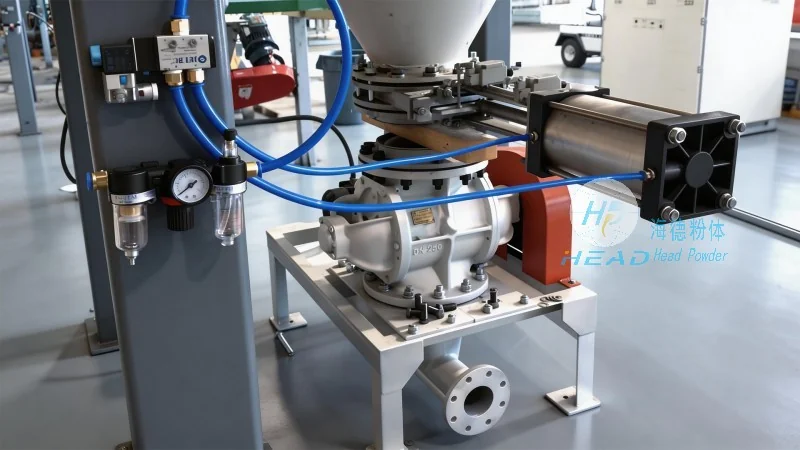
Sodium nitrate (NaNO₃) is a highly soluble salt with a melting point of approximately 302°C (576°F). It is hygroscopic, meaning it can absorb moisture from the air, which can affect its flow properties and handling characteristics. The powder form of sodium nitrate is typically fine and free-flowing, making it suitable for pneumatic conveying systems. However, its hygroscopic nature requires careful control of humidity and temperature during transport to prevent caking or agglomeration. The chemical stability of sodium nitrate is another critical factor, as it can decompose at high temperatures, releasing toxic gases like nitrogen oxides. Therefore, proper temperature management is essential when using pneumatic conveying for sodium nitrate to ensure safety and material integrity.
Design Principles of Pneumatic Conveying Systems
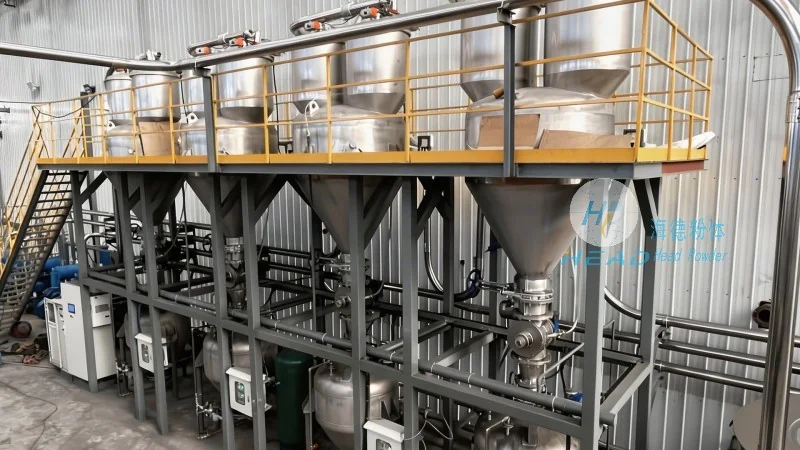
The design of a pneumatic conveying system for sodium nitrate involves several key components and principles. The primary goal is to create a consistent and efficient flow of powder through the pipeline while minimizing pressure drop and energy consumption. The system typically consists of a material feed hopper, a rotary valve or feeder to control the flow rate, a compressor or blower to generate the conveying air, a pipeline network, and a discharge point or receiver. The choice of conveying method—whether dilute phase (where the powder is suspended in the air stream) or dense phase (where the powder forms a slurry with the air)—depends on the material properties, distance, and required flow rate. For sodium nitrate, dilute phase conveying is often preferred due to its lower pressure requirements and ability to handle fine powders without excessive wear on the system components. The design also considers factors such as the particle size distribution, bulk density, and moisture content of the sodium nitrate, as these parameters affect the air velocity needed to maintain a stable flow. Proper sizing of the pipeline diameter, air velocity, and pressure drop is critical to ensure smooth operation and prevent blockages or pressure surges. Additionally, the system must be equipped with appropriate filtration and dust collection equipment to comply with environmental regulations and maintain a clean working environment.
Role of Shandong HeadPowder Engineering Co., Ltd. in Pneumatic Conveying Solutions
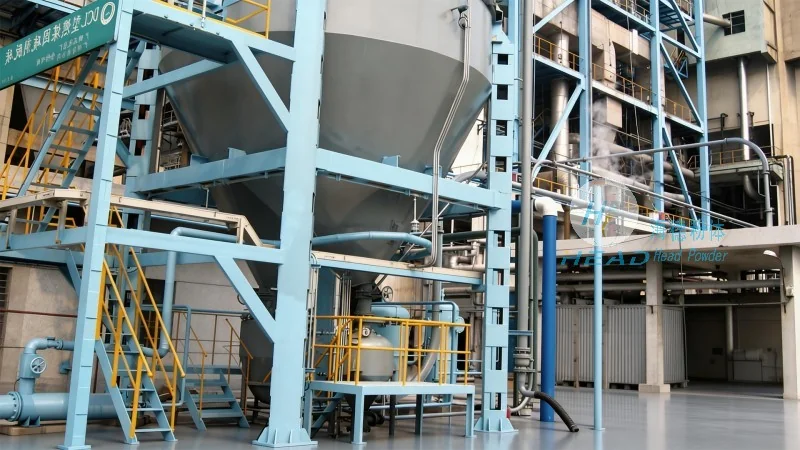
Shandong HeadPowder Engineering Co., Ltd., commonly known as HeadPowder, is a leading provider of engineering solutions for bulk material handling, including pneumatic conveying systems for sodium nitrate and other industrial powders. With a focus on innovation and customer-centric design, HeadPowder specializes in developing customized solutions tailored to the specific needs of each client. The company's expertise lies in understanding the unique properties of materials like sodium nitrate and designing systems that optimize performance, efficiency, and safety. HeadPowder's engineers work closely with clients to assess their material handling requirements, conduct feasibility studies, and propose optimal system configurations. The company utilizes advanced simulation tools and real-world testing to ensure that the designed systems meet or exceed industry standards. HeadPowder's commitment to quality and reliability is reflected in its adherence to international engineering codes and certifications, ensuring that the pneumatic conveying systems are built to last and operate reliably over extended periods. The company's facilities in Shandong, China, enable it to provide comprehensive support, from system design and manufacturing to installation and maintenance services. By partnering with HeadPowder, industrial clients can benefit from tailored solutions that enhance their operational efficiency and reduce material handling costs.