

What is Soybean Feed Powder Pneumatic Conveying? And What Are Its Design Principles?
For those in the animal feed industry, understanding the efficient and reliable methods of transporting bulk materials is crucial. One such technology that has gained significant traction is soybean feed powder pneumatic conveying. This article aims to explain what this technology entails and delve into its underlying design principles, providing insights into how it enhances operational efficiency in feed processing facilities.
Pneumatic Conveying: An Overview
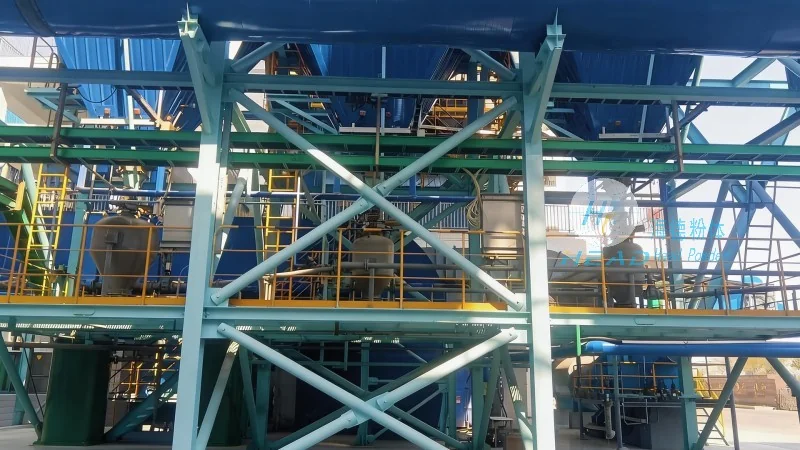
Pneumatic conveying is a method of transporting bulk solid materials, such as feed powders, using a gas stream, typically air. Unlike traditional mechanical systems like screw conveyors or belt conveyors, pneumatic systems use pressure differentials or vacuum to move materials through a pipeline. This approach offers several advantages, including reduced equipment wear, lower maintenance costs, and the ability to handle materials that are difficult to convey mechanically due to their properties, like dustiness or hygroscopic nature.
Soybean Feed Powder: The Material in Focus
Soybean feed powder is a common ingredient in animal feed formulations, providing essential nutrients like protein and amino acids. When processed into a fine powder, it requires specialized handling to prevent segregation, caking, or loss of quality. Pneumatic conveying is particularly well-suited for this material due to its ability to transport fine powders without the need for excessive mechanical agitation, which could degrade the feed's nutritional value.
The Core Design Principles of Soybean Feed Powder Pneumatic Conveying
The design of a pneumatic conveying system for soybean feed powder involves several key principles aimed at ensuring efficient, safe, and consistent material transport. These principles include:
- System Classification: Pneumatic systems are generally classified into two main types: pressure and vacuum. Pressure systems use compressed air to push material through the pipeline, while vacuum systems use a vacuum to pull material. For soybean feed powder, both types can be employed depending on the distance and layout of the conveying line.
- Flow Rate and Velocity: The velocity of the air stream is critical. It must be sufficient to keep the powder particles suspended and prevent deposition on the pipeline walls. The flow rate is determined by the material's properties, such as particle size, density, and moisture content, as well as the system's design parameters like pipe diameter and length.
- Pressure Drop and Energy Efficiency: The pressure drop across the system is a key factor in energy consumption. Designers aim to minimize pressure drop by optimizing pipe diameter, using smooth pipe surfaces, and avoiding sharp bends or restrictions. Energy efficiency is crucial for long-term operational costs, especially in large-scale feed processing plants.
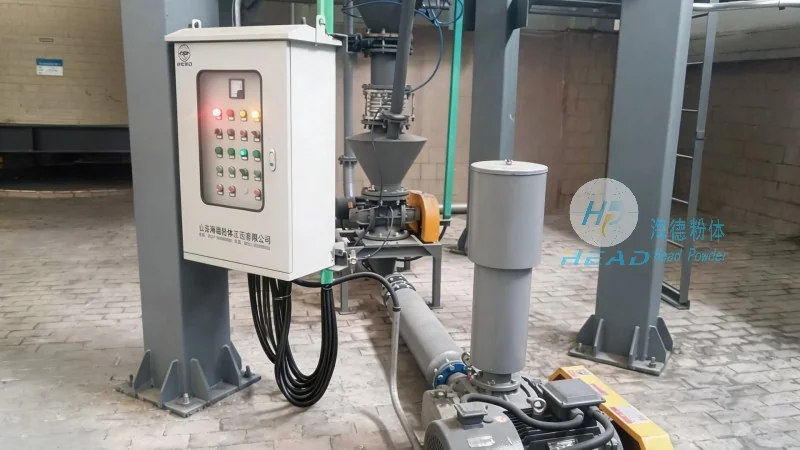
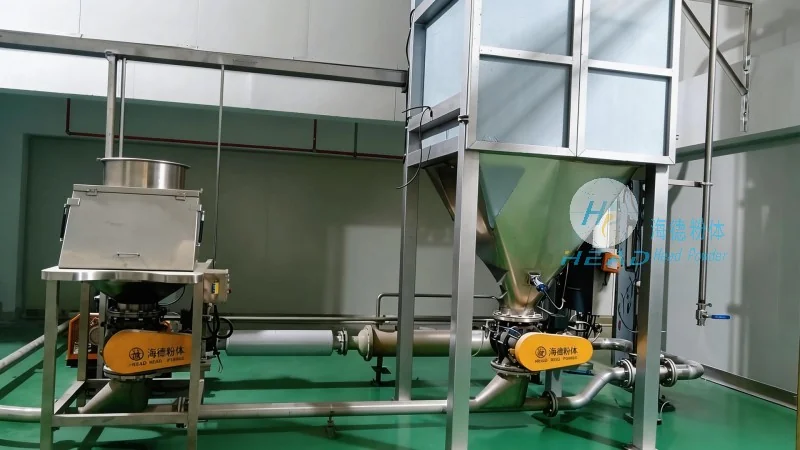
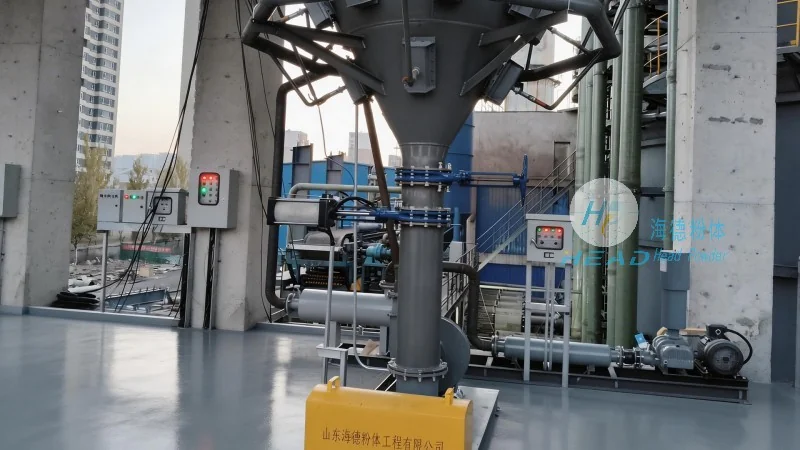
- Material Handling and Equipment Selection: The system includes various components such as feeders, airlocks, cyclones, and filters. For soybean feed powder, equipment must be chosen to handle fine particles without causing excessive wear or blockages. For instance, rotary valves or star feeders are commonly used to feed material into the conveying line, while cyclone separators are employed to separate the powder from the air stream at the receiving end.
- Control and Monitoring: Modern pneumatic conveying systems often incorporate control systems to monitor and adjust parameters like air pressure, flow rate, and material feed rate. This allows for real-time adjustments to maintain optimal conveying conditions, ensuring consistent feed quality and preventing system failures.
Applications and Benefits in Feed Processing
Soybean feed powder pneumatic conveying is widely used in feed mills and processing facilities for several reasons. It enables the seamless transfer of feed powders from storage silos to mixing equipment, feeders, or packaging lines. The benefits include:
- Reduced Labor and Maintenance: Automated pneumatic systems reduce the need for manual handling of bulk materials, minimizing labor costs and the risk of material exposure to contaminants.
- Improved Product Quality: By avoiding mechanical agitation, the system helps maintain the nutritional integrity of the soybean feed powder, preventing degradation of proteins and other essential nutrients.
- Space Efficiency: Pneumatic conveying systems can be installed in confined spaces, making them suitable for facilities with limited floor area. The pipeline layout can be customized to fit the plant's layout, optimizing space utilization.
- Scalability: These systems can be scaled up or down to accommodate varying production volumes, making them adaptable to both small and large-scale feed operations.
Conclusion
Soybean feed powder pneumatic conveying is a sophisticated technology that plays a vital role in modern feed processing. By understanding its design principles and benefits, feed manufacturers can enhance their operational efficiency, maintain product quality, and reduce costs. As the demand for high-quality animal feed continues to grow, the adoption of such advanced conveying systems becomes increasingly important for staying competitive in the industry.