

What is Textile Fiber Powder Pneumatic Conveying? And What Are Its Design Principles?
Textile fiber powder pneumatic conveying is a specialized method used to transport loose, dry powders, such as textile fibers, through a pipeline using compressed air or other gas. This technology is essential in industries where handling fine, lightweight materials efficiently and safely is critical. Understanding the fundamentals of this process and its design principles is crucial for optimizing material handling systems.
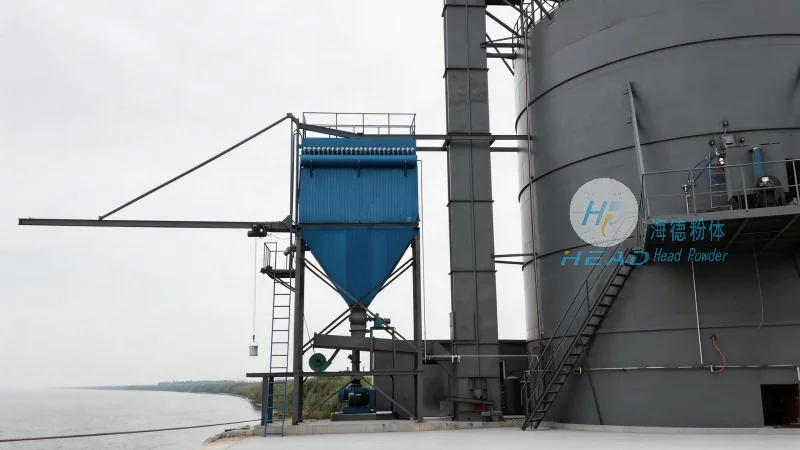
About HeadPowder: Your Expert in Pneumatic Conveying Solutions
HeadPowder, formally known as Shandong HeadPowder Engineering Co., Ltd., is a leading provider of advanced pneumatic conveying systems tailored for the textile industry. With headquarters in Shandong, China, the company specializes in designing, manufacturing, and implementing efficient solutions for transporting textile fibers and other fine powders. HeadPowder’s expertise lies in creating customized systems that meet the unique challenges of handling lightweight, abrasive, or sensitive materials, ensuring high performance and reliability.
Textile Fiber Powder Pneumatic Conveying Systems: Key Features and Benefits
Our textile fiber powder pneumatic conveying systems are engineered to handle the specific properties of textile fibers, including their low bulk density, tendency to agglomerate, and sensitivity to moisture or contamination. The systems utilize positive pressure or negative pressure (vacuum) to move materials through pipelines, eliminating the need for mechanical components like screws or belts that can cause wear and maintenance issues. Key features include high conveying efficiency, minimal product degradation, and the ability to transport materials over long distances with minimal energy consumption. The systems are designed to maintain product quality, ensuring that fibers remain free-flowing and uncontaminated throughout the process.
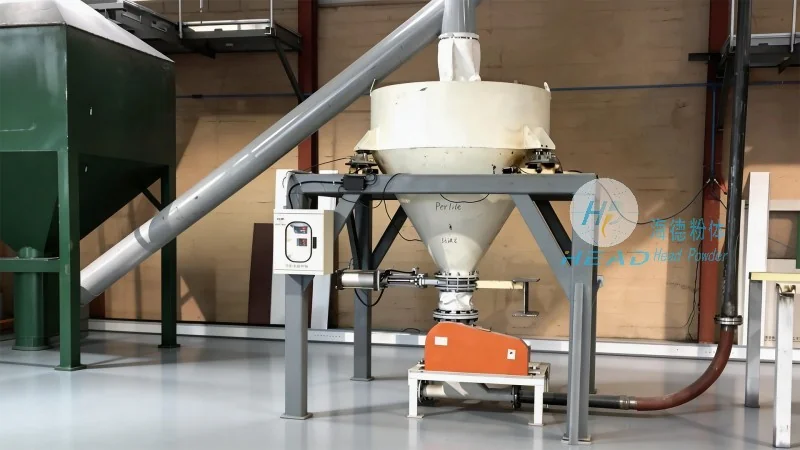
Design Principles of Textile Fiber Pneumatic Conveying Systems
The design of a textile fiber pneumatic conveying system involves several critical components and principles to ensure optimal performance. The primary components include a material feeder, a conveying line (pipeline), a gas source (air compressor), and a control system. The material feeder is responsible for introducing the textile fibers into the system at a controlled rate, preventing blockages and ensuring consistent flow. The pipeline is typically made of materials resistant to corrosion and abrasion, such as stainless steel or plastic, to withstand the handling of fine fibers. The gas source provides the necessary pressure or vacuum to move the material through the pipeline. The control system monitors and adjusts the flow rate, pressure, and other parameters to maintain stable operation and prevent system failures.
Working principles of the system involve the use of compressed air or other gases to create a flow of material within the pipeline. In positive pressure systems, air is introduced at the material inlet, pushing the fibers forward through the pipeline. In negative pressure (vacuum) systems, a vacuum is created at the discharge end, pulling the material from the source. The design must consider factors such as the material’s bulk density, particle size, and moisture content, as these affect the required air velocity and pressure. Proper design ensures that the air-to-material ratio is optimized, minimizing energy consumption while maintaining efficient transport. Additionally, the system includes features like cyclones or filters to separate the material from the gas at the discharge end, ensuring that the fibers are collected without loss or contamination.
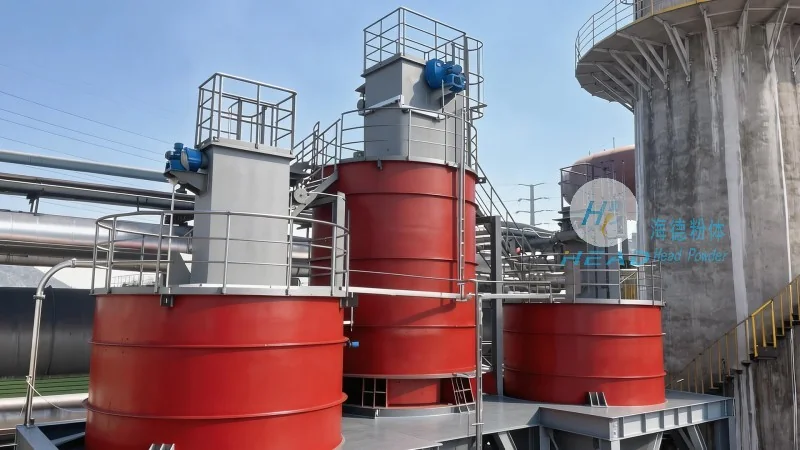
Key Design Considerations for Efficient Textile Fiber Conveying
Designing an effective textile fiber pneumatic conveying system requires careful consideration of several factors to ensure reliability and performance. First, the material’s physical properties, such as particle size distribution, moisture content, and abrasiveness, must be thoroughly analyzed. This analysis helps determine the appropriate air velocity and pressure needed to prevent material buildup or blockages in the pipeline. Second, the system’s layout and pipeline configuration are critical. Properly sized and routed pipelines minimize pressure drops and ensure smooth material flow. Third, the selection of components, such as the air compressor and control valves, must be matched to the system’s requirements. High-quality components reduce maintenance needs and extend the system’s lifespan. Fourth, the inclusion of safety features, such as pressure relief valves and overfill protection, is essential to prevent accidents and ensure safe operation. Finally, regular maintenance and monitoring are necessary to maintain the system’s efficiency and prevent issues like clogging or degradation of the material.
Conclusion: Optimizing Textile Fiber Handling with Pneumatic Conveying
Textile fiber powder pneumatic conveying, with its robust design principles and advanced technology, offers a reliable solution for efficiently handling fine, lightweight materials in the textile industry. By understanding the key components, working principles, and design considerations, manufacturers can optimize their material handling systems to improve productivity, reduce costs, and maintain product quality. HeadPowder, with its expertise and commitment to quality, provides tailored solutions that meet the specific needs of textile processing facilities, ensuring that textile fibers are transported safely and efficiently.