

Lithium Battery Cathode Powder Pneumatic Conveying: Understanding the Concept and Design Principles
HeadPowder, a leading enterprise in the field of powder engineering, specializes in the design and implementation of advanced pneumatic conveying systems for lithium battery cathode powders. This article delves into the fundamental aspects of lithium battery cathode powder pneumatic conveying, exploring its operational principles and the key design considerations that ensure efficient and reliable material handling in battery manufacturing processes.
What is Lithium Battery Cathode Powder Pneumatic Conveying?
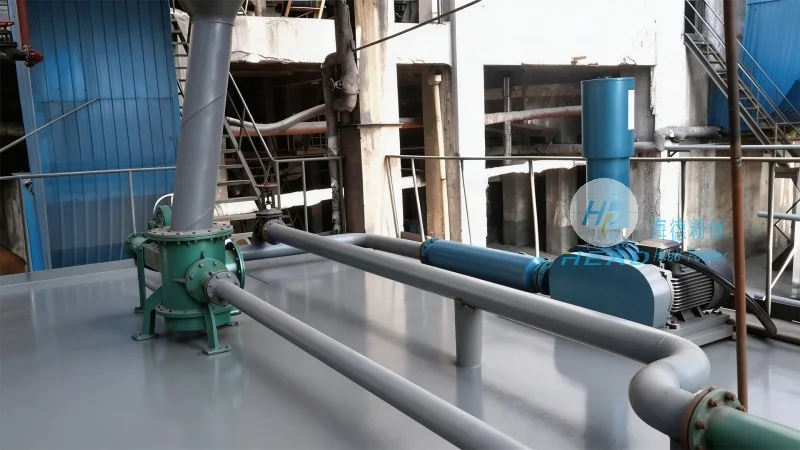
Lithium battery cathode powder pneumatic conveying refers to the technology of transporting fine cathode powders, such as lithium cobalt oxide (LCO), lithium nickel manganese cobalt oxide (NMC), or lithium iron phosphate (LFP), through a pipeline using a gas stream. Unlike traditional mechanical conveying methods, which rely on mechanical components like screws or belts, pneumatic conveying utilizes air or other gases to move the powder, offering advantages in terms of flexibility, cleanliness, and the ability to handle sensitive materials without contamination. The process involves feeding the powder into a hopper, where it is then drawn into a pipeline by a vacuum or pressure source, with the gas stream carrying the particles to the destination point, such as a mixing or coating unit in the battery production line.
The Core Design Principles of Pneumatic Conveying Systems
The design of a lithium battery cathode powder pneumatic conveying system is governed by several critical principles to ensure optimal performance. First, the system must be tailored to the specific properties of the cathode powder, including its particle size distribution, density, and flowability. For instance, fine powders with high moisture content may require a different gas flow rate and pipeline design compared to coarser, drier powders. Second, the system must maintain a consistent and stable gas flow to prevent particle segregation or agglomeration, which can lead to blockages or uneven material distribution. This is achieved through the use of appropriate air compressors, filters, and control valves that regulate the pressure and flow within the pipeline.
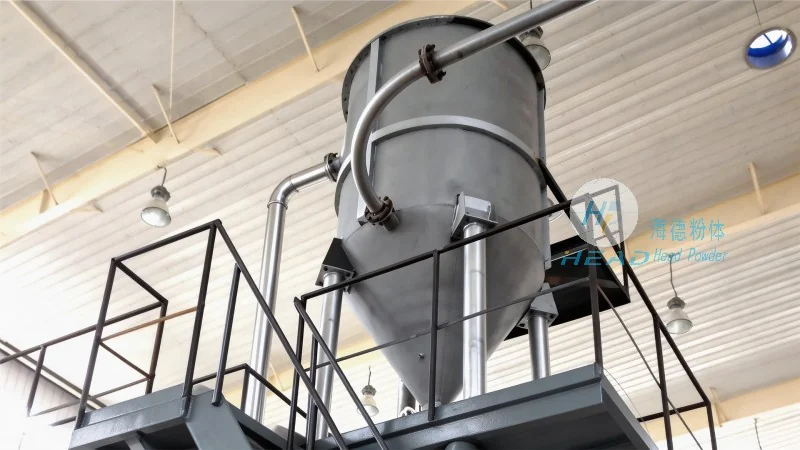
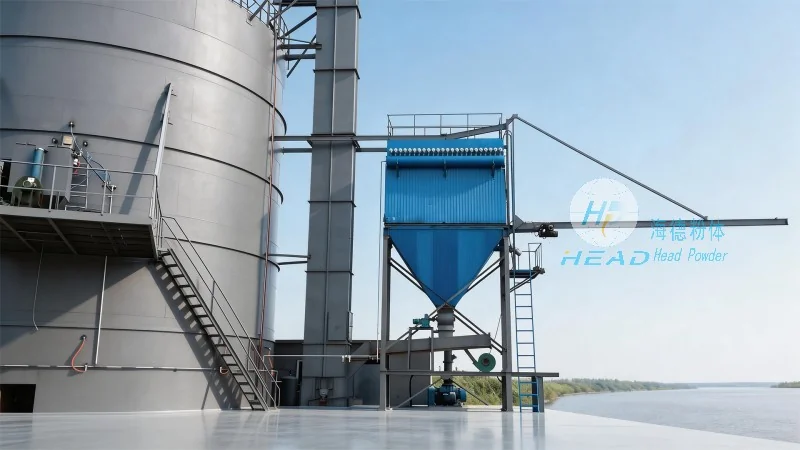
Third, the design must consider the overall system layout and the distance between the powder source and the destination. The choice between vacuum and pressure conveying depends on the application: vacuum systems are often used for short-distance, low-volume transport, while pressure systems are suitable for longer distances or higher throughput. Additionally, the inclusion of features like cyclone separators, filters, and dust collection systems is essential to maintain the purity of the powder and comply with environmental regulations. These components ensure that the cathode powder remains free from contaminants, which is crucial for the quality and performance of the final lithium battery products.
Key Components and Their Functions in a Pneumatic Conveying System
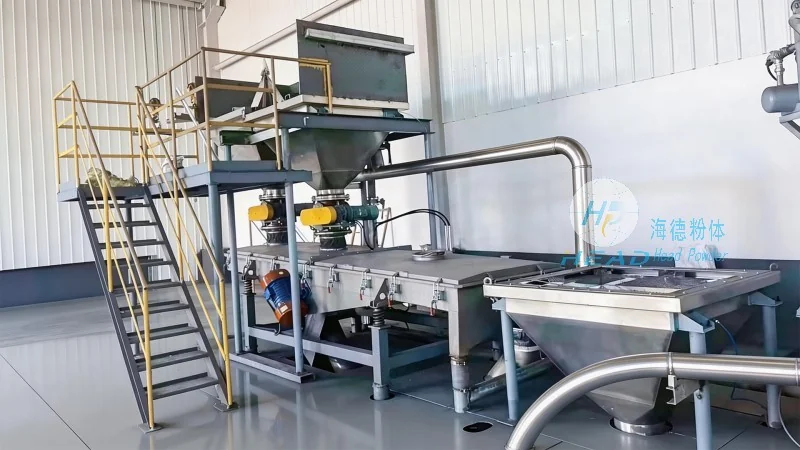
A typical lithium battery cathode powder pneumatic conveying system consists of several interconnected components, each playing a vital role in the overall operation. The primary components include a hopper or feeder, a conveying line (pipeline), a gas source (air compressor or vacuum pump), a control system, and a receiving hopper or processing unit. The hopper is responsible for storing and feeding the cathode powder into the system, with the feeder ensuring a consistent flow rate to prevent overloading or underfeeding. The conveying line, made of materials such as stainless steel or PTFE, is designed to withstand the abrasive nature of the powder and the corrosive effects of any additives or moisture. The gas source provides the necessary pressure or vacuum to move the powder through the pipeline, with the control system regulating the flow rate and pressure to maintain optimal performance. The receiving hopper collects the powder at the destination, allowing it to be transferred to the next stage of the battery manufacturing process, such as mixing or coating.
Benefits and Considerations for Lithium Battery Manufacturers
Implementing a pneumatic conveying system for lithium battery cathode powders offers several benefits to manufacturers. Firstly, it enhances process efficiency by reducing downtime caused by mechanical wear or blockages, as the system is less prone to maintenance issues compared to traditional mechanical conveyors. Secondly, it improves product quality by minimizing contamination and ensuring uniform material distribution, which is critical for achieving consistent battery performance. Thirdly, it provides flexibility in system layout, allowing manufacturers to adapt to changes in production volume or process requirements without significant modifications. However, manufacturers must also consider certain challenges, such as the need for proper maintenance of air filters and compressors, the potential for energy consumption, and the importance of adhering to safety regulations to prevent dust explosions or fires. By addressing these considerations, manufacturers can maximize the benefits of pneumatic conveying while ensuring the safety and reliability of their production processes.