

What is a Dilute Phase Powder Pneumatic Conveying System? What are its Design Principles?
Understanding the fundamentals of dilute phase powder pneumatic conveying systems is crucial for industries that rely on efficient material handling. These systems represent a sophisticated method of transporting bulk powders through a pipeline using a carrier gas, such as air or other gases. The core concept involves creating a dilute mixture of powder and gas, where the powder particles are suspended in the gas stream, allowing for smooth and continuous movement through the conveying line.
What is a Dilute Phase Powder Pneumatic Conveying System?
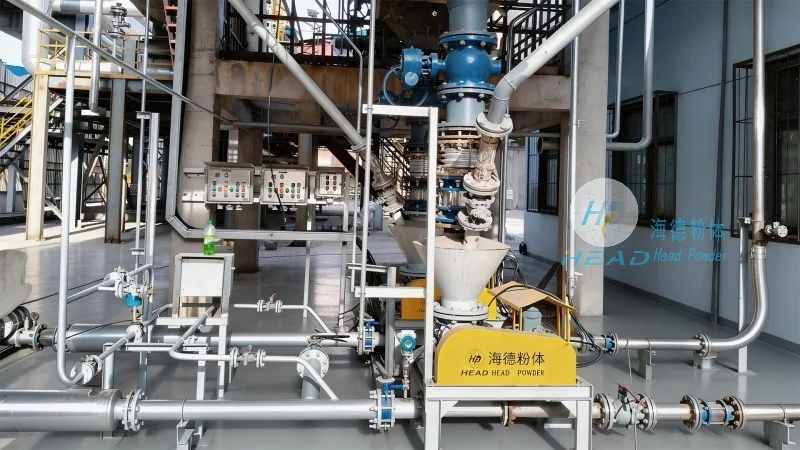
A dilute phase powder pneumatic conveying system is a technology designed to transport dry powders over long distances with minimal pressure drop and high efficiency. Unlike dense phase systems, which rely on a higher concentration of powder in the gas stream, dilute phase systems operate with a lower powder-to-gas ratio. This approach is particularly effective for materials that are free-flowing and non-abrasive, as it minimizes the risk of blockages and equipment wear. The system typically consists of a feeding device, a conveying line, a gas source (like a blower or compressor), and a receiving hopper. The feeding device introduces the powder into the gas stream at the inlet of the pipeline, while the gas provides the necessary momentum to carry the particles forward.
Key Design Principles of Dilute Phase Powder Pneumatic Conveying Systems
The design of a dilute phase system is governed by several critical principles that ensure optimal performance and reliability. First, the selection of the appropriate gas velocity is paramount. The gas velocity must be high enough to keep the powder particles suspended in the gas stream, preventing settling or deposition within the pipeline. This velocity is often referred to as the "minimum conveying velocity," which is determined by the specific characteristics of the powder, such as particle size, density, and flowability. Engineers must calculate this velocity accurately to avoid under-conveying, which can lead to blockages, or over-conveying, which may increase energy consumption and equipment wear.
Second, the system's pressure drop is a critical design consideration. The pressure drop across the conveying line is a function of the gas velocity, the length of the pipeline, and the properties of the powder. Excessive pressure drop can lead to reduced system efficiency and increased energy costs. Therefore, the design must account for the friction losses in the pipeline and the resistance offered by the powder particles. Proper sizing of the pipeline diameter and the use of smooth, corrosion-resistant materials are essential to minimize these losses.
Third, the gas source and its capacity are crucial. The blower or compressor must be capable of delivering the required volume of gas at the appropriate pressure to maintain the conveying velocity. The selection of the gas type (air, nitrogen, or other inert gases) depends on the material being conveyed and any process requirements, such as preventing oxidation or contamination. For example, when handling food-grade powders, an air source may be sufficient, while for chemical powders, an inert gas like nitrogen might be necessary to avoid reactions.
Components and Their Roles in a Dilute Phase System
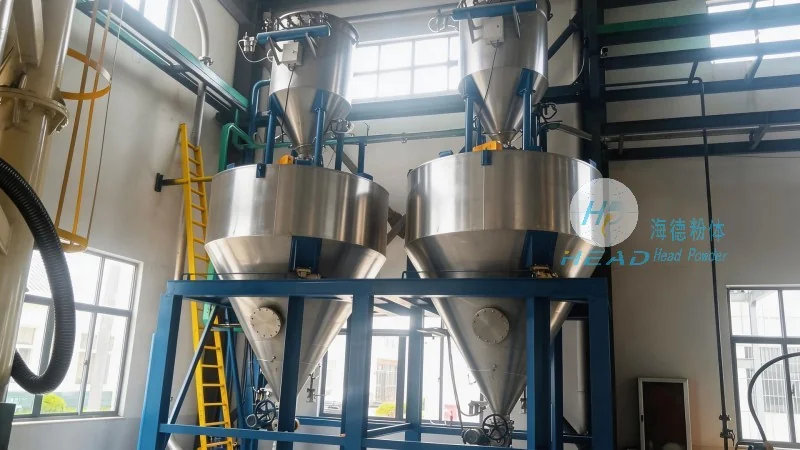
Each component of a dilute phase powder pneumatic conveying system plays a vital role in ensuring its proper operation. The feeding device, often a rotary valve or a venturi feeder, controls the flow rate of the powder into the system. This component must be designed to handle the specific characteristics of the powder, such as its bulk density and flowability, to prevent choking or uneven feeding. The conveying line, typically made of stainless steel or other corrosion-resistant materials, must be sized appropriately to accommodate the gas velocity and the powder concentration. The line's length and diameter are critical factors that affect the system's performance and energy consumption.
The gas source, which can be a positive displacement blower or a centrifugal compressor, provides the necessary pressure and volume of gas. The blower's capacity is determined by the required conveying velocity and the system's pressure drop. The receiving hopper, located at the end of the pipeline, collects the conveyed powder and may include features like a dust collector or a level indicator to monitor the material level. The hopper's design must prevent the powder from settling or bridging, which could cause blockages or uneven discharge.
Advantages and Applications of Dilute Phase Systems
Dilute phase powder pneumatic conveying systems offer several advantages that make them suitable for a wide range of industrial applications. One of the primary benefits is their ability to transport powders over long distances with minimal equipment. This makes them ideal for applications where the material source and destination are far apart, such as in mining, chemical processing, and food production. Another advantage is their flexibility in handling different types of powders, from fine particles to larger granules, as long as they are free-flowing and non-abrasive. The system can also be adapted to handle varying flow rates, making it suitable for both continuous and batch operations.
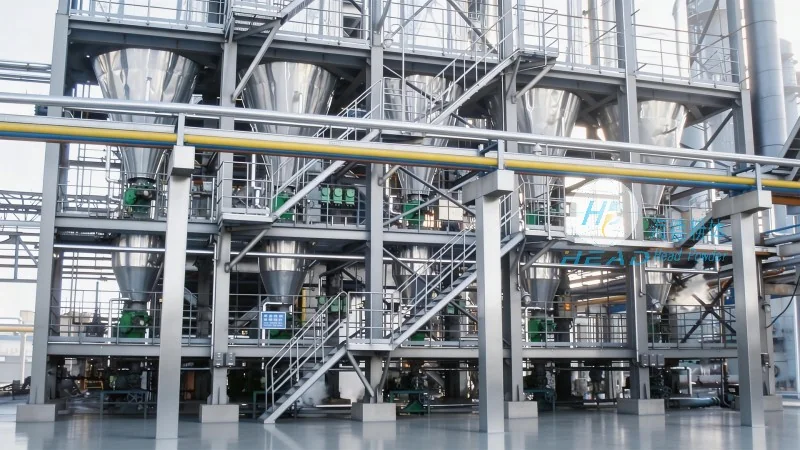
Common applications of dilute phase systems include the transport of cement, flour, and other food powders in the food and beverage industry. In the chemical industry, they are used to convey raw materials and finished products, such as powders used in pharmaceutical manufacturing. The mining industry also relies on these systems to transport ore and other minerals from processing plants to storage facilities. The ability to handle large volumes of material efficiently and with minimal downtime makes dilute phase systems a preferred choice for many industries.
Challenges and Mitigation Strategies
While dilute phase powder pneumatic conveying systems are highly effective, they also present some challenges that must be addressed during design and operation. One of the main challenges is the potential for blockages in the pipeline, which can occur if the powder particles are too large or have poor flowability. To mitigate this, engineers may use a combination of feeding devices and pipeline designs that promote uniform flow. Another challenge is the risk of dust emissions, which can be a health and safety hazard. Proper sealing and the use of dust collectors can help minimize these emissions and comply with environmental regulations.
Energy consumption is another consideration, as the system requires a significant amount of gas to maintain the conveying velocity. To reduce energy costs, engineers may opt for more efficient gas sources or adjust the system design to operate at lower velocities, if feasible. Additionally, the system's maintenance requirements must be considered, as components like the blower and pipeline may require regular inspection and replacement to ensure long-term reliability.
Conclusion
Dilute phase powder pneumatic conveying systems are a vital technology in the material handling industry, offering efficient and reliable transport of bulk powders. The design principles, components, and applications of these systems are carefully considered to meet the specific needs of different industries. By understanding the fundamentals of these systems, engineers and operators can optimize their performance, reduce costs, and ensure safe and effective material transport. As industries continue to evolve, the importance of efficient material handling will only grow, making dilute phase systems a key component in modern industrial operations.