

What is a Dust-Free Powder Feeding Pneumatic Conveying System? And What Are Its Design Principles?
HeadPowder, a leading manufacturer based in Shandong, China, specializes in advanced powder handling solutions. This article explores the concept of a dust-free powder feeding pneumatic conveying system and its underlying design principles, providing a comprehensive overview for professionals in the industry.
Understanding the Dust-Free Powder Feeding Pneumatic Conveying System
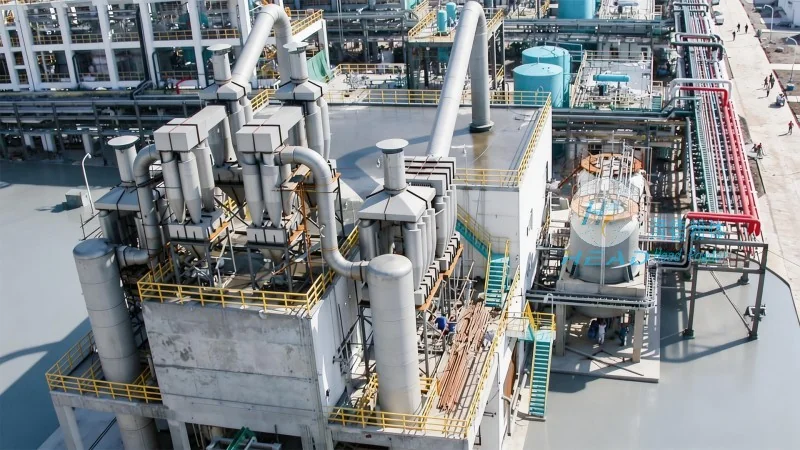
A dust-free powder feeding pneumatic conveying system is a sophisticated mechanism designed to transport dry powders or bulk materials from a storage silo or hopper to a processing unit, such as a mixer, dryer, or reactor, while maintaining a controlled, low-dust environment. The system operates by using compressed air or other gases to create a flow that propels the material through a pipeline network. This approach eliminates the need for mechanical components like screws or belts, reducing the risk of contamination and ensuring a clean transfer process.
Core Design Principles of the System
The design of a dust-free powder feeding pneumatic conveying system is built on several key principles to ensure efficiency, reliability, and safety. First, the system employs a positive pressure or negative pressure (vacuum) method to move the material. Positive pressure systems use compressed air to push the material forward, while negative pressure systems use suction to draw it through the pipeline. The choice between these methods depends on factors like material characteristics, distance, and system layout. Second, the system incorporates a hopper or feeder that controls the flow rate of the material, preventing overloading and maintaining consistent pressure. This feeder is often equipped with a rotary valve or a metering device to regulate the discharge rate accurately. Third, the pipeline design is critical; it must be smooth and free of obstructions to minimize friction and pressure loss. The use of appropriate pipe materials, such as stainless steel or food-grade plastics, ensures compatibility with various powder types and prevents contamination. Fourth, the system includes a filter or cyclone to capture any airborne particles, maintaining the dust-free environment and protecting the downstream equipment. Finally, the control system integrates sensors and automation to monitor pressure, flow, and temperature, allowing for real-time adjustments and preventing system failures.
Applications and Benefits
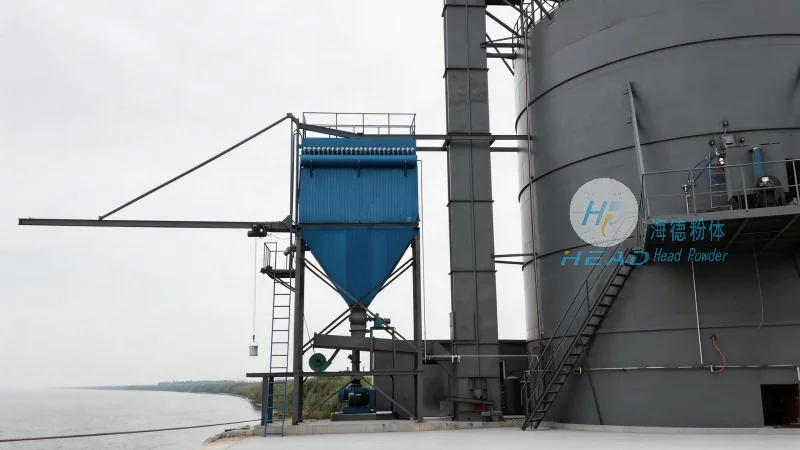
These systems are widely used in industries such as pharmaceuticals, food processing, chemical manufacturing, and cement production. The primary benefits include improved product quality by reducing contamination, enhanced safety by minimizing dust exposure, and increased efficiency through automated operation. For example, in pharmaceutical manufacturing, the dust-free design ensures that active ingredients remain pure and free from particulate matter, which is crucial for compliance with regulatory standards. In food processing, the system maintains hygiene standards, preventing cross-contamination and ensuring the safety of consumable products. The ability to handle a wide range of materials, from fine powders to bulk solids, makes the system versatile and adaptable to different production needs.
Key Components and Their Functions
The dust-free powder feeding pneumatic conveying system consists of several essential components, each playing a vital role in the overall operation. The primary components include: 1. **Feeder/Hopper**: This component stores the material and controls the flow rate. It is typically equipped with a rotary valve or a gate valve to regulate the discharge. The design of the hopper, such as a conical or rectangular shape, affects the material flow and prevents bridging or caking. 2. **Conveying Line**: The pipeline through which the material is transported. It is made of materials like stainless steel, PTFE, or food-grade plastic, depending on the application. The line is often equipped with bends, elbows, and straight sections to guide the material to the destination. 3. **Air Supply Unit**: This unit provides the compressed air or gas needed to move the material. It includes a compressor, air dryer, and filter to ensure clean and dry air, preventing moisture or contaminants from affecting the material. 4. **Dust Collector/Filtration System**: This component captures any airborne particles and returns them to the system or disposes of them safely. It may include a cyclone separator or a bag filter, depending on the particle size and volume. 5. **Control System**: This system monitors and controls the operation of the conveying process. It includes sensors for pressure, flow, and temperature, as well as a control panel with automation features. The control system allows for remote operation and troubleshooting, enhancing the system's reliability.
Advantages of the Dust-Free Design
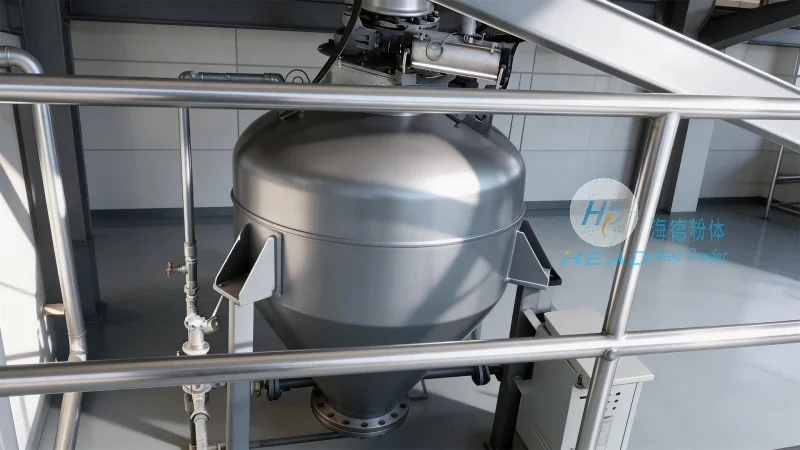
The dust-free design of the pneumatic conveying system offers several advantages over traditional mechanical conveying methods. First, it significantly reduces the risk of dust exposure, which is a major health hazard in many industries. By containing the material within a sealed system, the system minimizes the release of particles into the environment, protecting workers and maintaining a safe workplace. Second, the dust-free design improves product quality by preventing contamination. This is particularly important in industries where product purity is critical, such as pharmaceuticals and food processing. The system ensures that the material remains free from foreign particles, maintaining its integrity and performance. Third, the dust-free system enhances operational efficiency. The automated control system allows for precise control of the flow rate and pressure, reducing downtime and increasing production throughput. The absence of mechanical parts also reduces maintenance requirements, as there are fewer components to wear out or break. Finally, the system is versatile and can handle a wide range of materials, from fine powders to bulk solids, making it suitable for various applications.
Conclusion
Shandong HeadPowder Engineering Co., Ltd. specializes in designing and manufacturing dust-free powder feeding pneumatic conveying systems that meet the highest standards of efficiency, safety, and reliability. By understanding the core design principles and key components, industries can leverage these systems to improve their production processes, enhance product quality, and ensure a safe working environment. The dust-free pneumatic conveying system is a critical solution for modern powder handling, offering a sustainable and effective approach to material transport in various applications.