

What is a Silica Fume Powder Pneumatic Conveying System? And What Are Its Design Principles?
Welcome to HeadPowder, a leading provider of specialized engineering solutions for the construction and industrial sectors. Our focus is on innovative systems designed to handle challenging materials like silica fume, a high-value byproduct used extensively in concrete production. This article explores the fundamentals of a silica fume powder pneumatic conveying system, detailing its operational principles and design considerations.
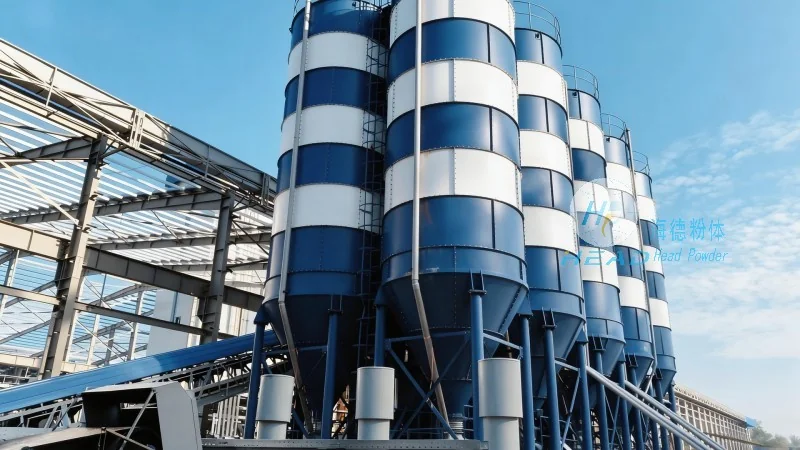
Understanding Silica Fume and Its Handling Requirements
Silica fume, also known as microsilica, is a fine powder derived from the production of silicon metal or ferrosilicon alloys. It consists of amorphous silicon dioxide particles with a particle size typically ranging from 0.1 to 0.2 micrometers. Due to its extremely fine nature and high surface area, silica fume is highly reactive and can pose challenges during material handling. Traditional methods like bulk bag unloading or manual feeding often result in dust generation, material loss, and operational inefficiencies. This is where pneumatic conveying systems offer a superior solution, enabling safe, efficient, and dust-free transport of silica fume from storage to processing points.
The Core Components of a Silica Fume Pneumatic Conveying System
A typical silica fume powder pneumatic conveying system comprises several key components, each designed to work in harmony to ensure reliable material transport. The primary components include:
- Feed Hopper and Metering Device: The system starts with a feed hopper that stores the silica fume. A metering device, such as a rotary valve or a screw feeder, controls the flow rate of the material into the conveying line, ensuring consistent and controlled discharge.
- Pneumatic Conveying Line: This is the central part of the system, consisting of stainless steel or other corrosion-resistant pipes. The line is designed to handle the fine particles of silica fume, minimizing blockages and ensuring smooth flow. The pipe diameter and length are carefully selected based on the material's properties and the required conveying distance.
- Compressed Air System: A reliable compressed air source, often a blower or a positive displacement compressor, provides the necessary pressure to move the material through the conveying line. The air velocity is critical; it must be high enough to suspend the particles but low enough to prevent excessive wear on the system components.
- Separation and Collection Equipment: At the receiving end, a cyclone separator or a baghouse filter is used to separate the silica fume from the air stream. The separated material is collected in a receiving hopper, while the cleaned air is discharged to the atmosphere or recirculated if necessary.
- Control and Monitoring Systems: Modern systems incorporate advanced control panels that monitor pressure, flow rates, and other parameters in real-time. This allows for immediate adjustments to optimize performance and prevent system failures.
Design Principles for Efficient Silica Fume Pneumatic Conveying
The design of a silica fume pneumatic conveying system is a critical process that involves balancing several factors to achieve optimal performance. Key design principles include:
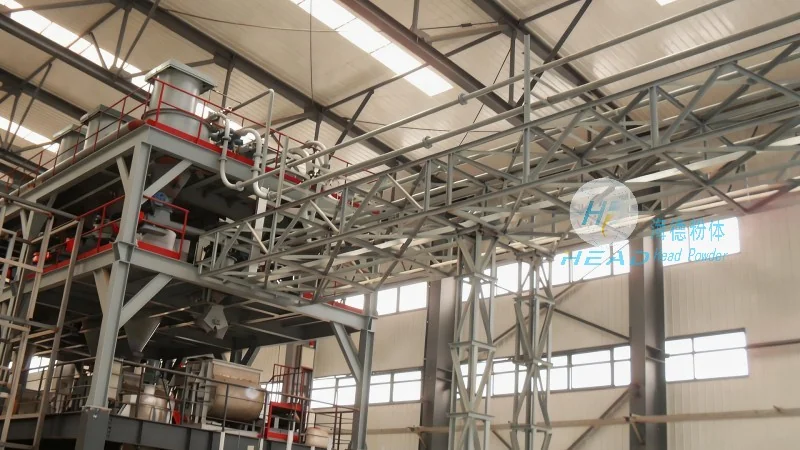
1. Material Characterization: Before designing the system, thorough characterization of the silica fume is essential. This includes determining the particle size distribution, bulk density, moisture content, and flowability. These properties directly impact the choice of conveying velocity, pipe diameter, and equipment selection.
2. Conveying Velocity and Pressure: The conveying velocity is determined by the material's terminal velocity, which is the speed at which particles are suspended in the air stream. For silica fume, the terminal velocity is relatively low due to its fine size, requiring higher air velocities to achieve efficient transport. The system pressure is typically maintained between 0.5 to 1.5 bar, depending on the conveying distance and material characteristics.
3. System Sizing and Layout: The system layout is designed to minimize the number of bends and changes in direction, as these can cause particle accumulation and system blockages. The pipe diameter is selected based on the required air volume and the material's flow rate. For long-distance conveying, larger pipe diameters may be used to reduce pressure drop and energy consumption.
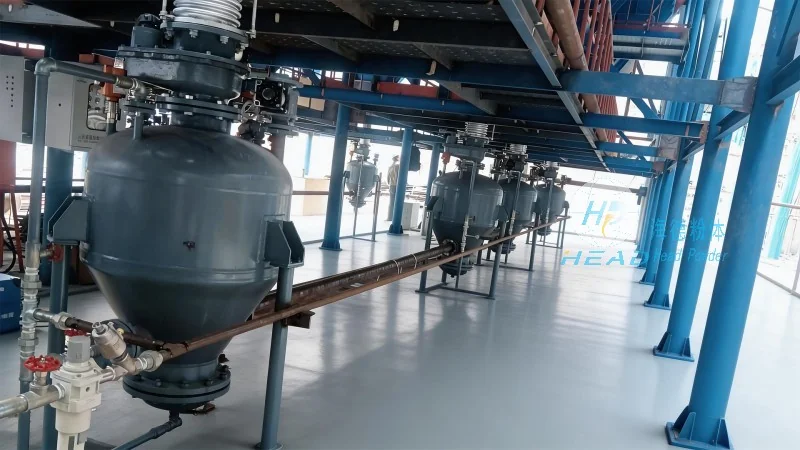
4. Equipment Selection: The choice of equipment, such as the feed hopper, blower, and separation system, is based on the specific requirements of the application. For example, a rotary valve is preferred for its ability to handle fine powders without clogging, while a cyclone separator is chosen for its efficiency in separating particles from the air stream.
Advantages of Using a Silica Fume Pneumatic Conveying System
Implementing a pneumatic conveying system for silica fume offers several significant advantages over traditional handling methods:
- Efficiency and Speed: Pneumatic systems can transport silica fume over long distances at high speeds, reducing processing time and increasing overall productivity.
- Dust Control: Unlike bulk handling methods, pneumatic conveying systems are enclosed, preventing dust emissions and ensuring a clean working environment.
- Material Conservation: The enclosed system minimizes material loss, as there is no spillage or loss during transport.
- Energy Efficiency: Modern systems are designed to be energy-efficient, with optimized air velocities and pressure levels reducing operational costs.
- Flexibility: Pneumatic conveying systems can be easily integrated into existing production lines and can be adapted to handle different material types or changes in production volume.
Conclusion and Company Overview
At Shandong HeadPowder Engineering Co., Ltd., we specialize in designing and manufacturing high-quality pneumatic conveying systems tailored to the unique needs of silica fume handling. Our expertise lies in understanding the material properties and applying advanced engineering principles to create reliable, efficient, and cost-effective solutions. With our headquarters in Shandong, China, we serve clients globally, providing customized systems that enhance productivity and ensure compliance with environmental standards. Whether you are a concrete producer, a construction material supplier, or an industrial facility handling silica fume, our systems are designed to meet your specific requirements and deliver long-term value.