

What is a Diatomite Powder Pneumatic Conveying System? And What Are Its Design Principles?
For industrial applications that involve handling fine powders like diatomite, an efficient and reliable material transport solution is essential. This is where a diatomite powder pneumatic conveying system comes into play, offering a robust method for moving these materials through a process. Understanding the system's design principles is crucial for optimizing performance and ensuring consistent operation.
Introduction to Diatomite Powder Pneumatic Conveying Systems
Diatomite, a natural sedimentary rock composed of fossilized diatoms, is widely used in various industries due to its unique properties such as high porosity, light weight, and excellent filtering capabilities. When processed into a fine powder, diatomite becomes a valuable material in applications ranging from filtration media to catalysts and absorbents. However, the handling of such powders requires specialized equipment to prevent dust generation, material loss, and operational inefficiencies. A pneumatic conveying system provides an effective solution by using air to transport the powder from one location to another, often with minimal maintenance and low energy consumption compared to traditional methods like bucket elevators or belt conveyors.
Core Components and Design Principles of the System
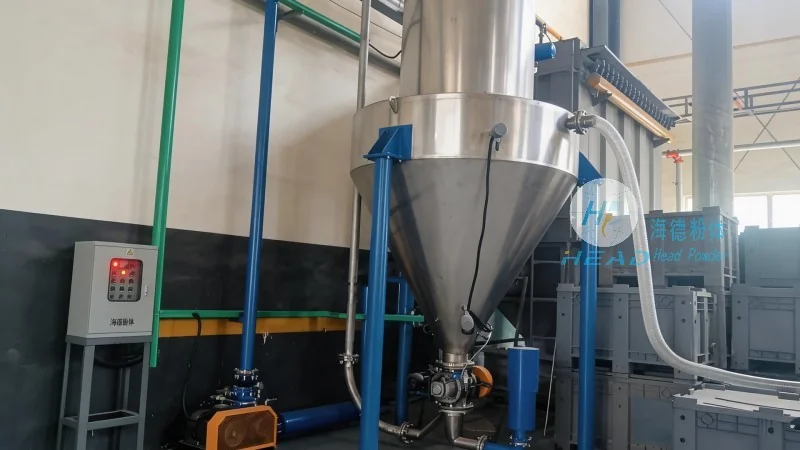
The diatomite powder pneumatic conveying system typically consists of several key components that work in tandem to ensure smooth material transport. The primary elements include a material hopper, a feeder, a conveying line (often with multiple sections like a primary and secondary line), a separator or filter, and a receiver or discharge point. Each component plays a critical role in the overall design and performance of the system.
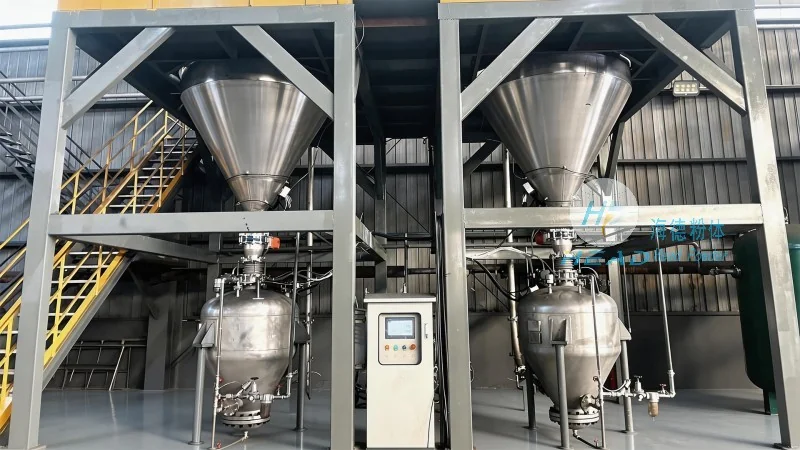
One of the fundamental design principles is the balance between air velocity and material flow. The system must maintain an air velocity high enough to keep the diatomite particles suspended in the air stream but not so high as to cause excessive pressure drops or energy waste. This is achieved through careful selection of the conveying line diameter, the number of bends, and the length of the pipeline. The feeder, which can be a rotary valve or a screw feeder, is designed to meter the diatomite powder into the conveying line at a controlled rate, preventing overloading and ensuring a consistent flow.
Another critical aspect is the separation and filtration system. As the air and powder mixture travels through the conveying line, it may encounter changes in direction or pressure, causing the diatomite particles to separate from the air. The separator, often a cyclone or a bag filter, captures the powder and returns it to the system, while the clean air is discharged. This design minimizes dust emissions and ensures that the material is recovered efficiently, reducing waste and improving overall process economics.
Advantages of Using a Diatomite Powder Pneumatic Conveying System
Implementing a pneumatic conveying system for diatomite powder offers several advantages over traditional handling methods. First, it significantly reduces dust generation, which is a major concern in industrial environments due to health and safety regulations as well as environmental impact. The enclosed system prevents airborne particles from escaping into the workplace, creating a safer and cleaner operating environment. Second, the system provides a more hygienic and controlled handling process, which is particularly important for applications where the powder is used in food, pharmaceutical, or medical industries. The enclosed design also helps maintain the purity of the diatomite, preventing contamination from external sources.
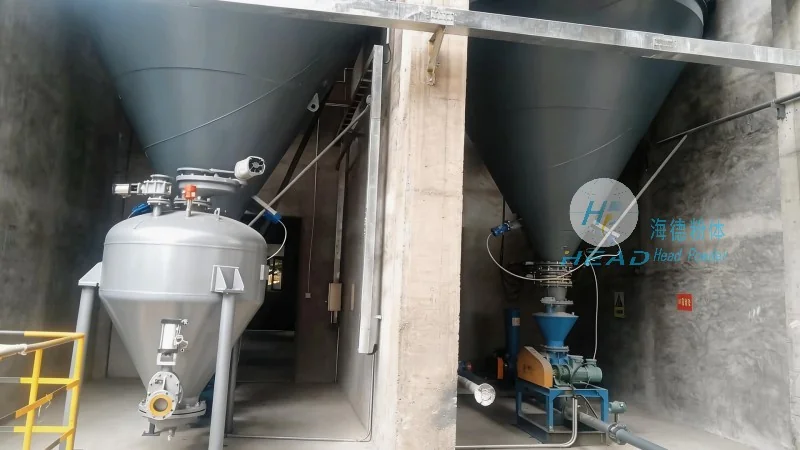
Third, the pneumatic conveying system offers flexibility in terms of layout and integration with other process equipment. The conveying lines can be installed in various configurations, including vertical, horizontal, or a combination of both, to fit the specific requirements of the facility. This adaptability allows for easy integration with existing production lines or new installations, minimizing downtime and installation costs. Additionally, the system can handle varying flow rates and material properties, making it suitable for both small-scale and large-scale operations.
Design Considerations and Customization
When designing a diatomite powder pneumatic conveying system, several factors must be considered to ensure optimal performance. The first is the particle size and density of the diatomite powder, as these characteristics affect the air velocity required for suspension and the pressure drop across the system. Larger or denser particles may require higher air velocities and more robust components to prevent blockages or material degradation. The system designer must also consider the distance and elevation changes between the material source and the discharge point, as these affect the total pressure required for conveying.
Customization is another key aspect of the system design. Companies like Shandong HeadPowder Engineering Co., Ltd., based in China, specialize in developing tailored pneumatic conveying solutions for specific industrial needs. They work closely with clients to understand their process requirements, material characteristics, and operational constraints, then design a system that meets all specifications. This includes selecting the appropriate materials for the conveying line (such as stainless steel or polyethylene to resist corrosion from the diatomite powder), choosing the right type of feeder and separator, and optimizing the system layout for maximum efficiency.
Conclusion and Practical Applications
In conclusion, a diatomite powder pneumatic conveying system is a sophisticated and efficient solution for handling fine powders in industrial applications. By leveraging the principles of pneumatic transport, it offers advantages such as reduced dust emissions, improved material purity, and flexible system integration. The design of such a system requires careful consideration of material properties, system layout, and operational requirements, but with the expertise of companies like Shandong HeadPowder Engineering Co., Ltd., these challenges can be effectively addressed.
Whether used in filtration industries, chemical processing, or other sectors that rely on diatomite powder, this system provides a reliable and cost-effective method for material transport. The combination of advanced design principles and customized solutions ensures that the system meets the specific needs of each application, contributing to improved productivity and operational efficiency.