

What is a Stearic Acid Sodium Powder Pneumatic Conveying System? And What Are Its Design Principles?
Stearic acid sodium is a widely used chemical additive in various industrial applications, and the efficient handling of its powder form is crucial for maintaining product quality and operational efficiency. A pneumatic conveying system specifically designed for stearic acid sodium powder offers a reliable solution to transport this material safely and effectively. This article explores the concept of a stearic acid sodium powder pneumatic conveying system and delves into its underlying design principles, providing insights into how such systems are engineered to meet industrial demands.
Introduction to Stearic Acid Sodium Powder Pneumatic Conveying Systems
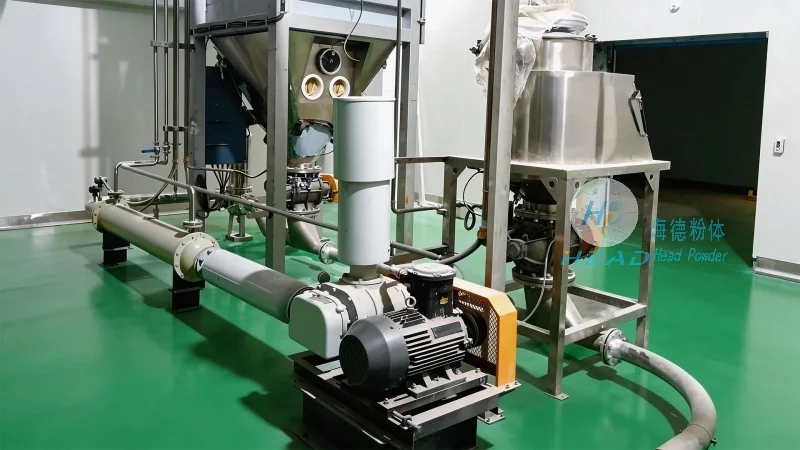
Stearic acid sodium, also known as sodium stearate, is a white crystalline powder commonly used in the production of soaps, detergents, and lubricants. Due to its fine particle size and hygroscopic nature, traditional bulk handling methods like bucket elevators or belt conveyors may not be suitable for this material. Pneumatic conveying systems provide an alternative that utilizes air to transport the powder, minimizing product contamination and ensuring a clean transfer process. The system typically consists of a hopper, a conveyor line, and a receiver, all connected by a network of pipes and valves.
Key Components of a Stearic Acid Sodium Powder Pneumatic Conveying System
The core components of a pneumatic conveying system for stearic acid sodium include the material hopper, which stores the powder and feeds it into the system; the air compressor or blower, which generates the necessary airflow to move the material; the conveying line, which transports the powder through the system; and the receiver, where the material is deposited. Additionally, the system may incorporate components such as filters to remove dust, pressure regulators to control air pressure, and check valves to prevent backflow. These components work in tandem to ensure the smooth and efficient transport of stearic acid sodium powder.
Design Principles for Optimal Performance
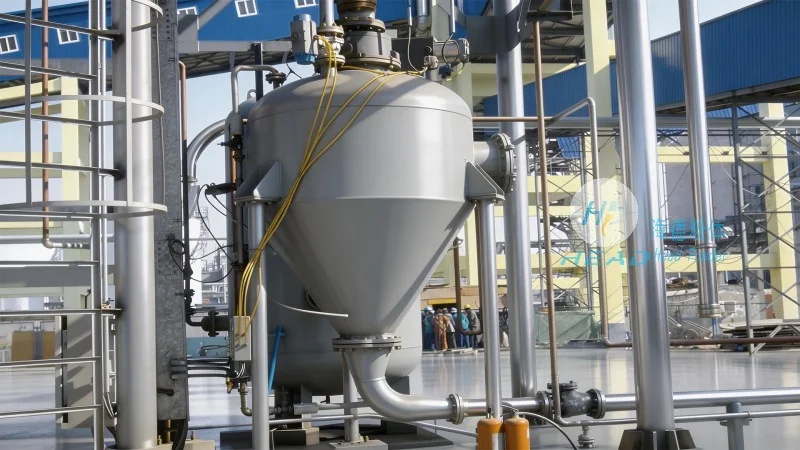
The design of a stearic acid sodium powder pneumatic conveying system is based on several key principles to ensure optimal performance, including material properties, airflow dynamics, and system efficiency. First, the system must account for the hygroscopic nature of stearic acid sodium, as moisture can affect the material's flow characteristics and cause caking. Therefore, the system is often equipped with drying or moisture control mechanisms to maintain the material's quality. Second, the airflow velocity must be carefully controlled to prevent particle segregation and ensure uniform transport. High airflow speeds can cause excessive wear on system components, while low speeds may lead to material blockages. Third, the system design considers the particle size distribution of the powder, as larger particles require higher airflow velocities to be conveyed effectively. The system's design also incorporates considerations for material compatibility, ensuring that all components are resistant to the chemical properties of stearic acid sodium to prevent corrosion or degradation.
Advantages of Using a Pneumatic Conveying System for Stearic Acid Sodium
Implementing a pneumatic conveying system for stearic acid sodium offers several advantages over traditional handling methods. One of the primary benefits is the reduction in product contamination, as the system minimizes direct contact with the environment and prevents cross-contamination with other materials. This is particularly important for stearic acid sodium, which is used in applications where purity is critical. Another advantage is the ability to handle the material in a closed system, which helps maintain a controlled environment and reduces dust emissions. This is beneficial for both worker safety and environmental compliance. Additionally, pneumatic conveying systems can be designed to integrate with existing production lines, allowing for seamless material transfer and improved operational efficiency. The system's flexibility also allows for easy adjustments to accommodate changes in production volume or material specifications.
Application Examples and Industry Use Cases
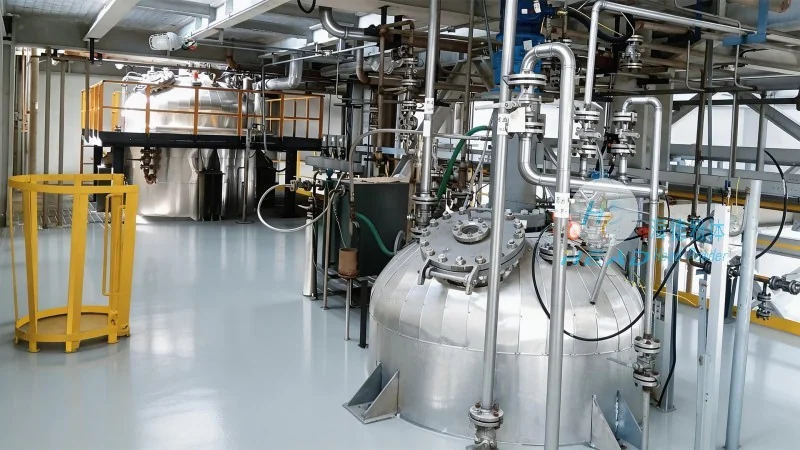
Stearic acid sodium powder pneumatic conveying systems are widely used in various industries, including the chemical, pharmaceutical, and food processing sectors. In the chemical industry, these systems are employed to transport stearic acid sodium between production stages, such as from a reactor to a drying unit or from a storage silo to a packaging line. In the pharmaceutical industry, the system ensures the safe and hygienic transfer of the material, which is essential for maintaining product quality and regulatory compliance. In the food processing industry, the system is used to handle stearic acid sodium in the production of food additives and supplements, where purity and consistency are paramount. These applications highlight the versatility and reliability of pneumatic conveying systems in handling stearic acid sodium powder.
Conclusion and Future Considerations
In conclusion, a stearic acid sodium powder pneumatic conveying system is a sophisticated and efficient solution for transporting this critical chemical additive. The system's design, based on principles of material properties, airflow dynamics, and system compatibility, ensures optimal performance and reliability. As industrial demands for efficient and safe material handling continue to grow, advancements in pneumatic conveying technology, such as the use of advanced materials and smart control systems, may further enhance the capabilities of these systems. For industries relying on stearic acid sodium, investing in a well-designed pneumatic conveying system is a strategic choice that can improve operational efficiency, product quality, and overall profitability.