

What is a Synthetic Fiber Powder Pneumatic Conveying System? What are the Design Principles?
For industries dealing with synthetic fiber powders, efficient and reliable material handling is a critical requirement. A synthetic fiber powder pneumatic conveying system is a specialized technology designed to transport these materials through a pressurized or vacuum system using air or other gases. This method offers a flexible and effective solution for moving bulk materials, especially in applications where traditional mechanical conveying may be impractical or inefficient.
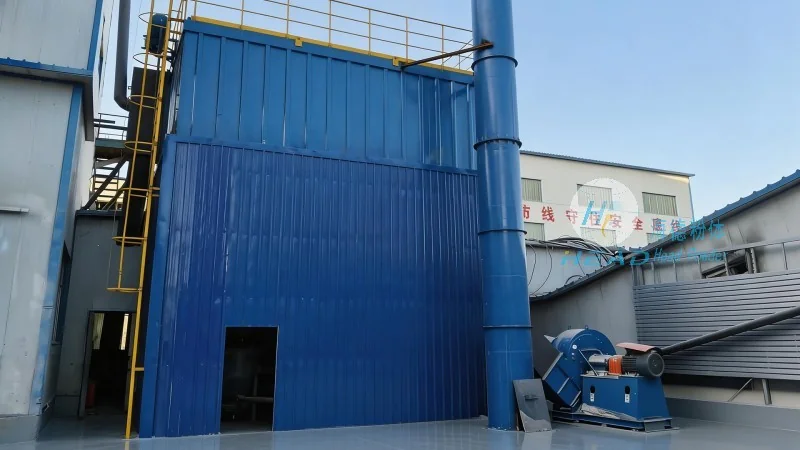
Comprehensive Overview of Synthetic Fiber Powder Pneumatic Conveying Systems
At the core of this system is the ability to move fine or fibrous powders without direct contact with mechanical components. The system typically consists of a hopper, a conveyor line, and a receiver, all connected by a network of pipes. The process begins when the synthetic fiber powder is fed into the hopper. From there, it is drawn into the conveyor line by a vacuum or pressure differential, depending on the system design. This method ensures that the material is moved smoothly and without degradation, which is crucial for maintaining the quality of synthetic fibers. The system is particularly beneficial for industries that require precise control over material flow and purity, such as the textile and chemical sectors.
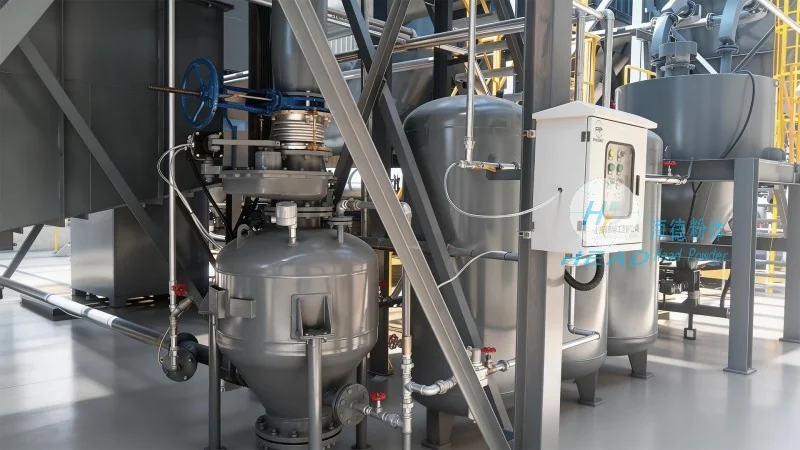
Essential Design Principles for Optimal Performance
The design of a synthetic fiber powder pneumatic conveying system involves several critical principles to ensure high efficiency and reliability. First, the system must be tailored to the specific characteristics of the synthetic fiber powder, including its particle size, moisture content, and flowability. For example, fibrous materials may require higher air velocities to prevent clogging or blockages in the pipeline. Second, the system must consider the overall system pressure and flow rates. Proper sizing of the air compressor, ducts, and valves is essential to maintain consistent material flow and prevent pressure drops that could lead to system inefficiencies. Third, the design must incorporate features for material separation and cleaning, as synthetic fibers can sometimes adhere to system components. This includes the use of cyclones, filters, and cleaning mechanisms to maintain system performance over time. Additionally, the system should be designed with safety in mind, incorporating features like pressure relief valves and emergency shut-off mechanisms to prevent accidents.
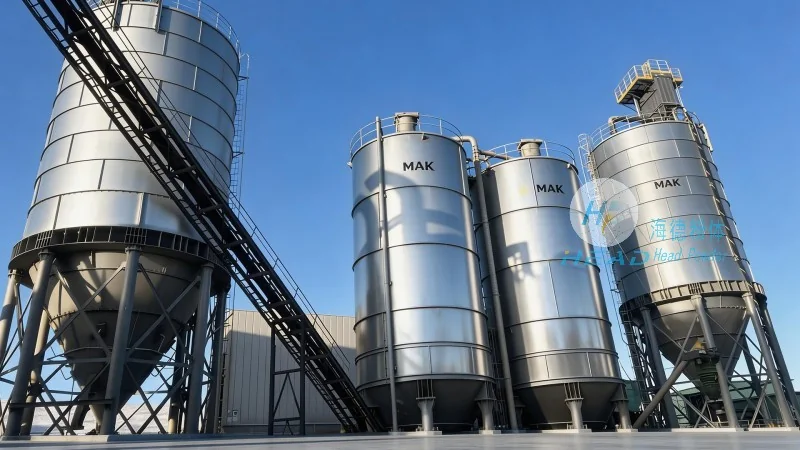
Key Components and Their Functional Roles
Several key components make up a synthetic fiber powder pneumatic conveying system. The hopper serves as the storage and feeding unit, ensuring a consistent supply of material to the system. The conveyor line, which can be either a positive pressure or negative pressure system, is responsible for transporting the material. In a positive pressure system, air is forced through the material, while in a negative pressure system, air is drawn away from the material. The receiver is where the material is deposited after being conveyed. Additionally, the system includes control valves, which regulate the flow of air and material, and sensors that monitor pressure and flow rates to ensure the system operates within optimal parameters. The air compressor is another critical component, providing the necessary pressure or vacuum to drive the material through the system. Proper selection of the air compressor is essential to match the system's requirements and ensure energy efficiency.
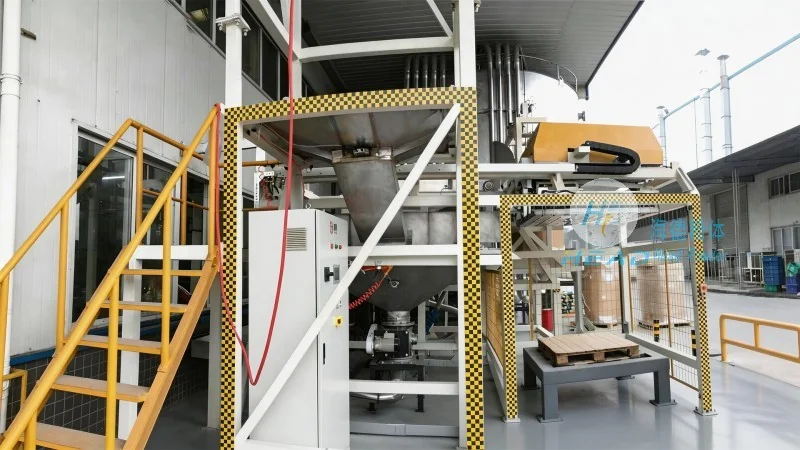
Industrial Applications and Advantages
Synthetic fiber powder pneumatic conveying systems are widely used in various industries, including textiles, chemicals, and pharmaceuticals. In the textile industry, for example, these systems are used to transport raw synthetic fibers to spinning machines. The benefits of using such a system include reduced labor costs, improved safety by eliminating manual handling of powders, and increased efficiency in material processing. Additionally, the system helps maintain the purity of the synthetic fibers by preventing contamination from external sources. For companies like Shandong HeadPowder Engineering Co., Ltd., based in Shandong, China, these systems are designed to meet the specific needs of their clients, ensuring high-quality performance and reliability. The company specializes in providing customized solutions that address the unique challenges of each application, from small-scale operations to large industrial facilities.