

What is an Intermittent Powder Pneumatic Conveying System? And What Are Its Design Principles?
Understanding the technology behind intermittent powder pneumatic conveying systems is crucial for industries dealing with bulk solid materials. These systems are engineered to transport powders and granules efficiently, offering a reliable solution for material handling challenges. This article explores the fundamental concepts of such systems and delves into their design principles, providing insights into how they operate and why they are preferred in various industrial applications.
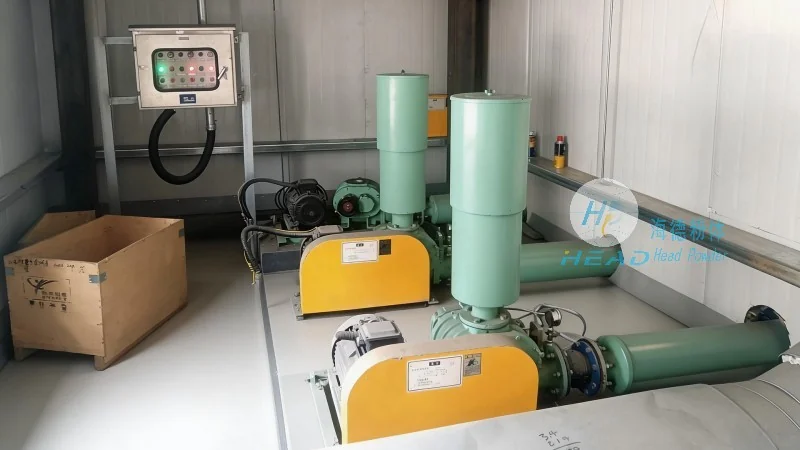
Introduction to Intermittent Powder Pneumatic Conveying Systems
An intermittent powder pneumatic conveying system is a type of material handling equipment that uses compressed air to transport dry powders or granules from one location to another. Unlike continuous systems, which maintain a constant flow of material, intermittent systems operate in cycles, moving material in discrete batches. This approach is particularly advantageous for applications where precise control over the material flow is required, such as in pharmaceutical, food processing, and chemical industries. The system typically consists of a hopper, a feeder, a conveying line, and a receiver, all working in coordination to ensure efficient and safe material transfer.
Key Components of an Intermittent Powder Pneumatic Conveying System
The effectiveness of an intermittent powder pneumatic conveying system relies on several critical components, each playing a vital role in the overall operation. The hopper serves as the storage vessel for the powder, providing a controlled environment to prevent material degradation or contamination. The feeder, often a rotary valve or a screw feeder, regulates the flow of material into the conveying line, ensuring that only the required amount is introduced at a time. The conveying line, usually made of metal or plastic, transports the material under pressure, while the receiver collects the material at the destination. Additionally, the system includes a compressor and a filter to manage the air pressure and maintain air quality, respectively. These components work together to create a seamless and efficient material handling process.
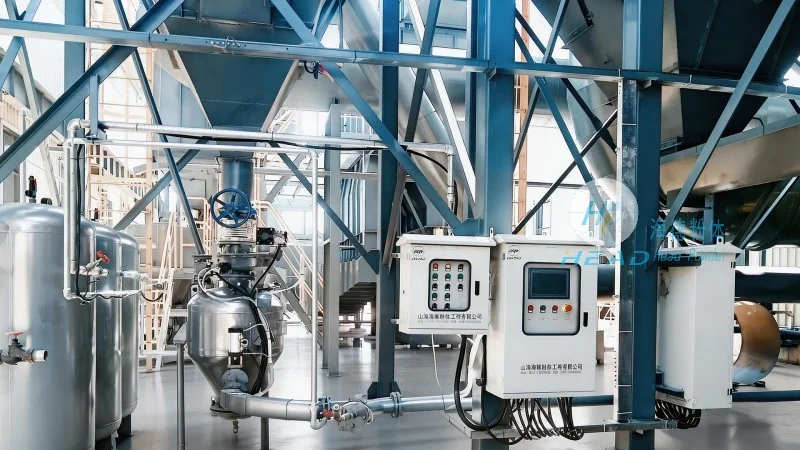
Design Principles of Intermittent Powder Pneumatic Conveying Systems
The design of an intermittent powder pneumatic conveying system is based on several key principles that ensure optimal performance and reliability. One of the primary principles is the use of pressure differentials to move the material. By creating a pressure difference between the hopper and the receiver, the system can generate the necessary force to transport the powder through the conveying line. The design also considers the particle size and density of the material, as these factors influence the air velocity required for effective transport. For instance, finer powders may require higher air velocities to prevent clogging or segregation. Another critical principle is the prevention of material degradation, which is achieved through the use of smooth, non-stick surfaces in the hopper and conveying line, as well as the incorporation of air filters to remove contaminants. The system's design also emphasizes safety and maintenance, with features such as pressure relief valves and easy access for cleaning and inspection.
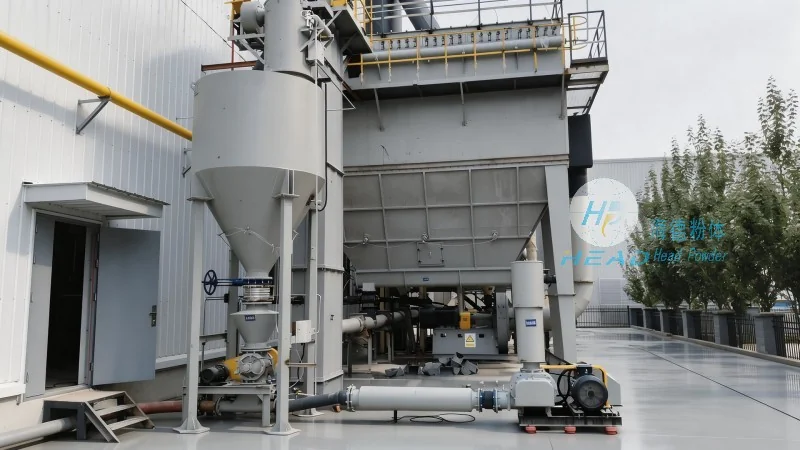
Applications and Benefits of Intermittent Powder Pneumatic Conveying Systems
Intermittent powder pneumatic conveying systems are widely used in various industries due to their versatility and efficiency. In the pharmaceutical industry, they are employed to transport active pharmaceutical ingredients (APIs) and excipients, ensuring that the material remains sterile and free from contamination. In the food processing sector, these systems are used to handle dry ingredients like flour, sugar, and spices, maintaining product quality and safety. The chemical industry also benefits from these systems, as they can transport hazardous powders with minimal risk of exposure. The primary benefits of intermittent powder pneumatic conveying systems include reduced material degradation, improved process control, and enhanced safety compared to traditional methods like belt conveyors or manual handling. Additionally, these systems are compact and can be integrated into existing production lines, making them a cost-effective solution for many businesses.
About Shandong HeadPowder Engineering Co., Ltd.
Shandong HeadPowder Engineering Co., Ltd., commonly known as HeadPowder, is a leading manufacturer of powder handling equipment based in China. With a strong commitment to innovation and quality, the company specializes in designing and producing intermittent powder pneumatic conveying systems tailored to the specific needs of its clients. HeadPowder's products are engineered to meet the highest industry standards, ensuring reliability, efficiency, and safety. The company's headquarters is located in Shandong, China, where it operates a state-of-the-art manufacturing facility equipped with advanced technology and skilled personnel. HeadPowder's team of experts works closely with clients to understand their material handling challenges and provides customized solutions that enhance operational efficiency and reduce costs. By leveraging years of experience and continuous research, HeadPowder remains at the forefront of the powder handling industry, delivering reliable and efficient solutions to its global clientele.