

What is a Pharmaceutical Powder Pneumatic Conveying System? And What Are Its Design Principles?
Pharmaceutical powder pneumatic conveying systems are critical equipment in the pharmaceutical industry, designed to transport powders safely and efficiently. These systems utilize air or gas to move powder materials through a pipeline, ensuring a clean, controlled, and hygienic process that meets stringent regulatory standards. Understanding the core components and design principles of such systems is essential for pharmaceutical manufacturers seeking to optimize their production lines and maintain product quality, as exemplified by the solutions offered by Shandong HeadPowder Engineering Co., Ltd. from China.
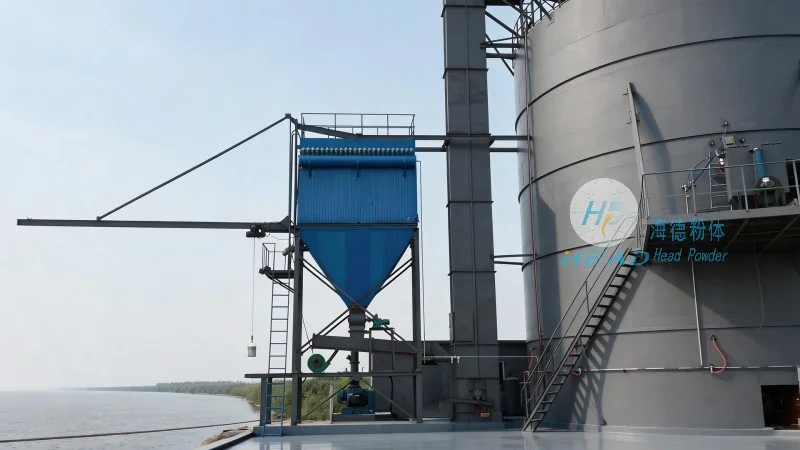
Introduction to Pharmaceutical Powder Pneumatic Conveying Systems
Pharmaceutical powder pneumatic conveying systems are specialized equipment used to transport powders in the pharmaceutical industry. Unlike traditional mechanical conveyors, these systems use air or gas to move powder materials through a pipeline, reducing the risk of contamination and ensuring a clean transfer process. The primary goal of these systems is to maintain the integrity of the powder, prevent cross-contamination, and ensure compliance with Good Manufacturing Practices (GMP) and other regulatory requirements.
Key Components of a Pharmaceutical Powder Pneumatic Conveying System
A typical pharmaceutical powder pneumatic conveying system consists of several key components, each playing a crucial role in the overall operation. These components include the hopper or feeder, which holds the powder and regulates the flow; the conveying line, which transports the powder using air or gas; the filter or separator, which removes any entrained air or particles; and the discharge device, which delivers the powder to the final destination. Additionally, control systems and safety features are integrated to ensure smooth operation and prevent accidents.
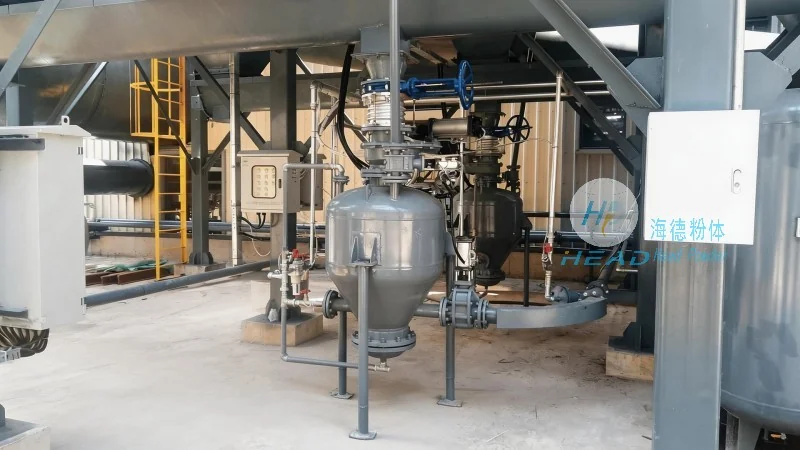
Design Principles for Pharmaceutical Powder Pneumatic Conveying Systems
The design of a pharmaceutical powder pneumatic conveying system follows several fundamental principles to ensure efficiency, safety, and compliance. First, the system must be constructed from materials that are compatible with pharmaceutical powders, such as stainless steel or food-grade plastics, to prevent contamination. Second, the system must be designed to minimize powder degradation, such as agglomeration or caking, by controlling the flow rate and pressure. Third, the system must incorporate proper filtration and cleaning mechanisms to maintain hygiene and prevent cross-contamination. Finally, the system must be equipped with monitoring and control features to allow for real-time adjustments and maintenance.
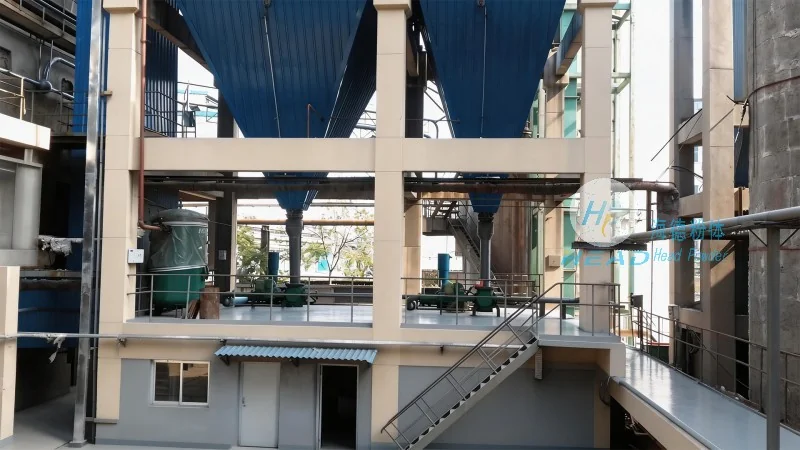
Applications of Pharmaceutical Powder Pneumatic Conveying Systems
Pharmaceutical powder pneumatic conveying systems are used in a wide range of applications within the pharmaceutical industry. These systems are commonly employed in the production of active pharmaceutical ingredients (APIs), excipients, and finished dosage forms. They are also used in the transfer of powders between different processing stages, such as from a mixer to a dryer or from a dryer to a packaging machine. The systems are particularly useful in applications where mechanical conveyors are not suitable due to the risk of contamination or the need for a closed system.
Benefits of Using Pharmaceutical Powder Pneumatic Conveying Systems
Implementing a pharmaceutical powder pneumatic conveying system offers numerous benefits for pharmaceutical manufacturers. These systems provide a clean and hygienic method of powder transfer, reducing the risk of contamination and ensuring product quality. They also improve process efficiency by minimizing downtime and reducing the need for manual handling. Additionally, the systems are designed to be flexible and adaptable, allowing for easy integration into existing production lines and future expansion. Finally, the systems can help reduce operational costs by minimizing material waste and improving overall process control.