

What is a Soap Granule Powder Pneumatic Conveying Line? And What Are Its Design Principles?
For industries dealing with soap granules and other fine powders, the soap granule powder pneumatic conveying line is a critical piece of equipment designed to efficiently transport these materials from one location to another. This system leverages the principles of pneumatic conveying to move dry powder materials through a pipeline using air or gas as the conveying medium. Understanding both the function and the design principles of such a line is essential for optimizing material handling processes and ensuring operational efficiency. The Shandong HeadPowder Engineering Co., Ltd. specializes in designing and manufacturing high-quality pneumatic conveying systems tailored to the unique needs of industries handling soap granules and other fine powders.
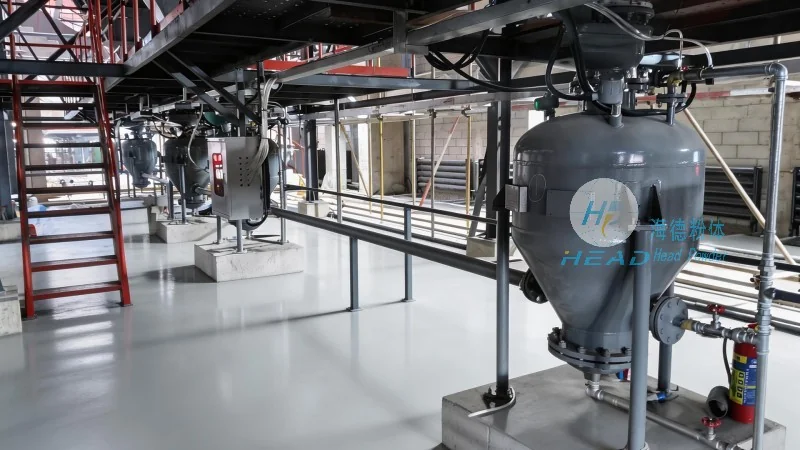
Introduction to Soap Granule Powder Pneumatic Conveying Lines
A soap granule powder pneumatic conveying line is a specialized system used in manufacturing and processing facilities to transport soap granules and other similar fine powders. Unlike traditional mechanical conveying methods, which rely on belts, screws, or buckets, pneumatic conveying uses compressed air or gas to create a flow that moves the powder through a sealed pipeline. This method is particularly advantageous for handling materials that are prone to dust, require a clean environment, or need to be transported over long distances without degradation. The system typically consists of a hopper for material storage, a feeder to control the flow rate, a conveying pipeline, and a receiver to deposit the material at the destination. The entire setup is designed to maintain a consistent and controlled flow, minimizing product contamination and ensuring reliable delivery.
Key Components of a Soap Granule Powder Pneumatic Conveying Line
Several key components work together to ensure the efficient operation of a soap granule powder pneumatic conveying line. The first is the material hopper, which stores the soap granules and provides a consistent feed to the system. The hopper is usually equipped with a discharge valve or feeder to regulate the amount of material entering the pipeline. Next, the feeder, often a rotary valve or a star feeder, controls the flow rate of the powder, preventing overloading or underloading of the conveying line. The conveying pipeline itself is typically made of stainless steel or other corrosion-resistant materials to handle the chemical properties of soap granules and prevent contamination. The pipeline may include bends, elbows, or expansion joints to accommodate changes in direction or elevation. At the receiving end, a receiver or silo is used to collect the material, and it may be equipped with a dust collection system to capture any particles that escape the pipeline. Additionally, a blower or compressor provides the necessary air pressure to move the powder through the system, and a filter or cyclone may be included to clean the air before it is released back into the environment.
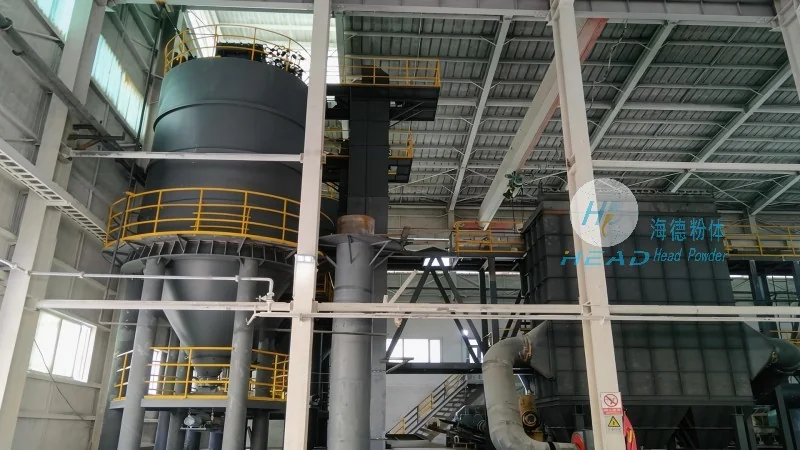
Design Principles of Soap Granule Powder Pneumatic Conveying Lines
The design of a soap granule powder pneumatic conveying line is based on several fundamental principles to ensure optimal performance and reliability. The first principle is the selection of the appropriate conveying velocity, which is the speed at which the air flows through the pipeline relative to the powder. The velocity must be high enough to keep the powder suspended in the air stream but not so high as to cause excessive wear on the equipment or create excessive pressure drops. The pressure drop across the system is another critical factor, as it determines the power required to operate the blower and the overall efficiency of the line. Engineers must calculate the pressure drop based on the length of the pipeline, the number of bends, and the properties of the powder, such as its density and particle size. The system must also be designed to handle variations in material flow, such as changes in feed rate or the introduction of different batches of soap granules. This requires the use of adjustable components, such as variable speed feeders or pressure regulators, to maintain consistent performance. Furthermore, the design must consider the environmental impact, including the need for dust collection and air filtration to comply with regulatory standards and maintain a clean working environment.
Benefits of Using a Soap Granule Powder Pneumatic Conveying Line
Implementing a soap granule powder pneumatic conveying line offers several significant benefits for industrial operations. One of the primary advantages is the ability to transport materials over long distances without the need for multiple transfer points or manual handling. This reduces labor costs and minimizes the risk of product contamination or damage. The system also provides a clean and dust-free environment, which is particularly important for soap granules that are sensitive to moisture or contaminants. Additionally, pneumatic conveying can handle materials with a wide range of particle sizes and densities, making it versatile for various applications. The sealed pipeline design prevents dust from escaping into the workplace, improving air quality and reducing the risk of respiratory issues for workers. Furthermore, the system can be integrated with other processing equipment, such as mixers or reactors, to create a fully automated material handling process. This integration enhances overall operational efficiency and reduces downtime by streamlining the material flow from storage to processing.
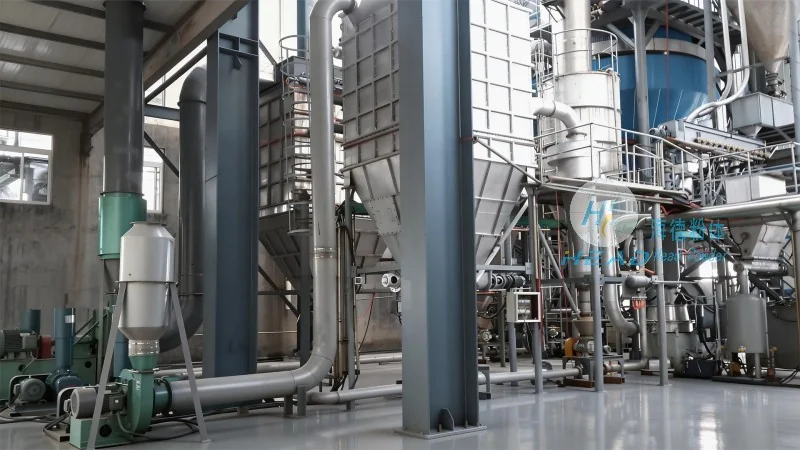
Applications of Soap Granule Powder Pneumatic Conveying Lines
Soap granule powder pneumatic conveying lines are widely used in various industries that handle fine powders, including the soap and detergent manufacturing industry, chemical processing, pharmaceuticals, and food processing. In the soap industry, these systems are used to transport soap granules from storage silos to production lines, where they are mixed with other ingredients to create finished products. The ability to handle large volumes of soap granules efficiently and with minimal contamination makes the pneumatic conveying line an essential component of modern soap manufacturing facilities. In chemical processing, the system is used to transport various chemical powders, including those used in the production of detergents, soaps, and other personal care products. The versatility of the system allows it to handle different types of powders with varying properties, such as moisture content and particle size. In pharmaceutical applications, the pneumatic conveying line is used to transport active ingredients and excipients, ensuring that the materials are handled in a sterile and controlled environment. The sealed pipeline design and dust collection systems help maintain the required hygiene standards, which are critical in pharmaceutical manufacturing. Similarly, in food processing, the system is used to transport food-grade powders, such as those used in the production of baked goods or dairy products, ensuring that the materials are handled in a clean and safe manner.
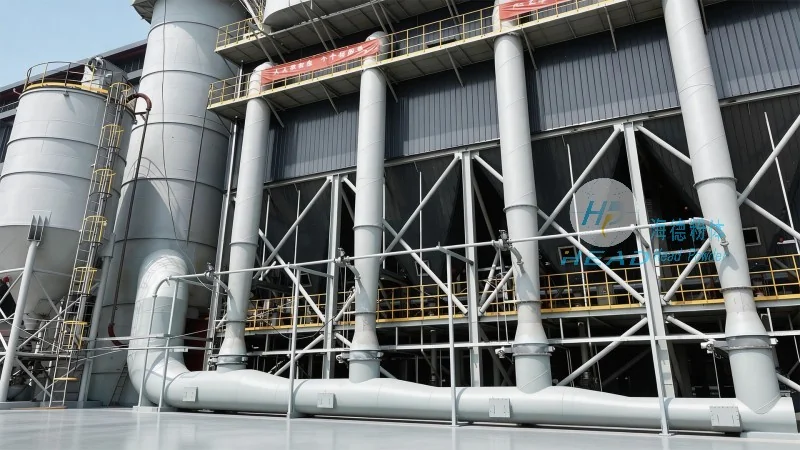
Considerations for Designing and Implementing a Soap Granule Powder Pneumatic Conveying Line
When designing and implementing a soap granule powder pneumatic conveying line, several factors must be considered to ensure the system meets the specific needs of the application. The first consideration is the material properties of the soap granules, including their density, particle size distribution, and moisture content. These properties affect the conveying velocity and pressure drop, and must be carefully evaluated to determine the appropriate system design. The second consideration is the distance and elevation changes between the material source and the destination. Longer distances or higher elevations may require more powerful blowers or additional components, such as booster pumps, to maintain the necessary pressure. The third consideration is the required flow rate, which depends on the production capacity and the speed of the downstream processing equipment. The system must be designed to handle the maximum flow rate without causing excessive pressure drops or material degradation. Additionally, the system must comply with local regulations regarding dust collection and air quality, which may require the installation of advanced filtration systems. Finally, the cost of the system, including the initial investment and ongoing maintenance, must be considered to ensure it is a cost-effective solution for the operation.
Conclusion
A soap granule powder pneumatic conveying line is a sophisticated and efficient system designed to transport soap granules and other fine powders through a sealed pipeline using compressed air or gas. The design of such a line is based on fundamental principles of fluid dynamics and material handling, ensuring optimal performance, minimal contamination, and reliable operation. By understanding the key components, design principles, and benefits of this system, industries can optimize their material handling processes and improve overall operational efficiency. The use of a well-designed pneumatic conveying line not only enhances productivity but also contributes to a safer and cleaner working environment, making it a valuable investment for any facility dealing with soap granules or similar fine powders.