

What is a Calcined Sand Powder Pneumatic Conveying System? And What Are Its Design Principles?
Calcined sand powder pneumatic conveying systems represent a sophisticated solution for the efficient transport of fine powders, particularly calcined sand, in industrial settings. These systems are engineered to handle the unique challenges associated with transporting such materials, ensuring minimal product degradation and optimal operational performance. The design principles behind these systems are centered on maintaining material integrity, controlling flow rates, and maximizing energy efficiency.
Key Components and Design Principles
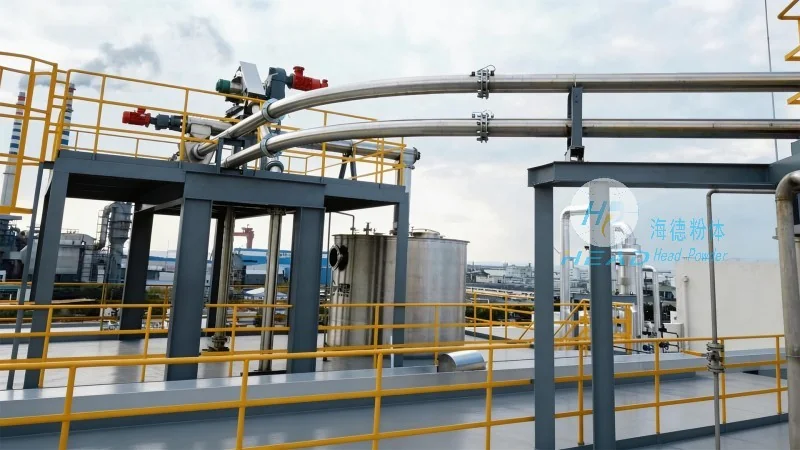
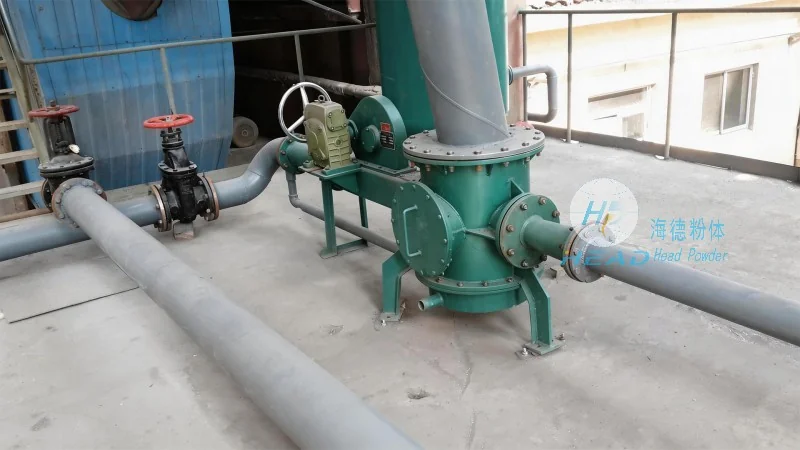
The core components of a calcined sand powder pneumatic conveying system include the material hopper, feeder, conveying line, and receiver. The material hopper is designed to store the calcined sand, providing a consistent feed to the system. The feeder, typically a rotary valve or screw feeder, regulates the flow of material into the conveying line. The conveying line itself is constructed from materials resistant to the abrasive nature of calcined sand, such as stainless steel or specialized polymers. The receiver is where the material is deposited, often equipped with dust collection systems to maintain air quality and prevent contamination. Design principles focus on minimizing pressure drops, ensuring smooth material flow, and incorporating features that prevent blockages or material buildup in the system.
Operational Efficiency and Material Handling Capabilities
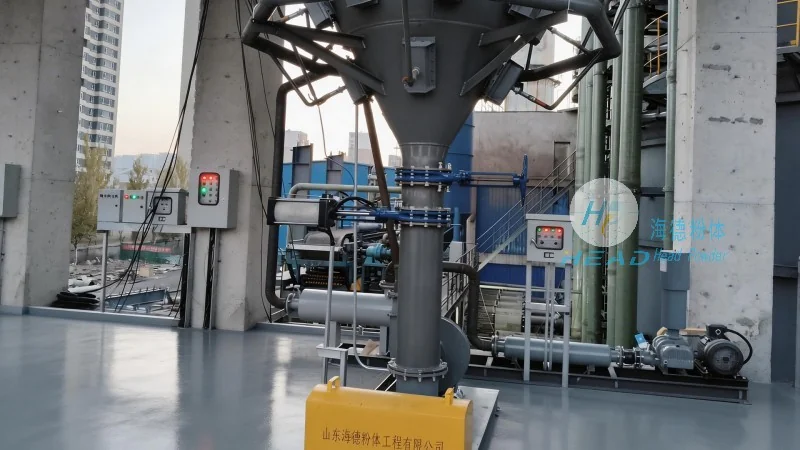
Operational efficiency is a critical aspect of these systems, as they are designed to handle high volumes of calcined sand while maintaining low energy consumption. The pneumatic conveying method allows for continuous, unattended operation, reducing labor costs and increasing productivity. The systems are equipped with sensors and control panels that monitor pressure, flow rates, and material levels, enabling real-time adjustments to optimize performance. Additionally, the design minimizes the risk of material segregation or agglomeration, which can occur in traditional conveying methods. This ensures that the calcined sand remains in its desired particle size distribution, preserving its quality for downstream applications.
Application Scenarios and Industry Use Cases
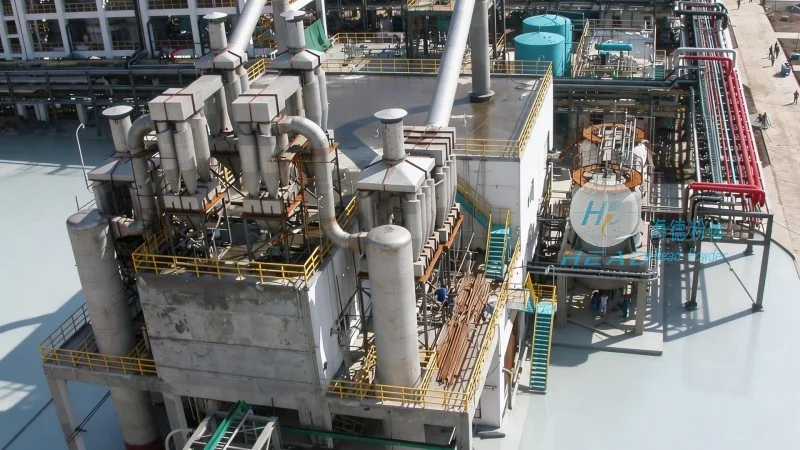
Calcined sand powder pneumatic conveying systems are widely used in various industries, including construction, foundries, and chemical processing. In the construction industry, they are used to transport calcined sand for concrete production, ensuring consistent material quality and reducing the need for manual handling. In foundries, these systems are essential for delivering calcined sand to molding processes, where precise material control is crucial for the quality of castings. The chemical processing industry also benefits from these systems, as they enable the efficient transport of calcined sand in production lines, supporting processes such as filtration and drying. The versatility of the system makes it suitable for a range of applications where reliable and efficient material transport is required.
Company Profile: Shandong HeadPowder Engineering Co., Ltd.
HeadPowder, or Shandong HeadPowder Engineering Co., Ltd., is a leading provider of industrial conveying solutions, specializing in the design and manufacturing of calcined sand powder pneumatic conveying systems. With a strong focus on innovation and customer satisfaction, the company has established itself as a trusted partner in the industry. HeadPowder's facilities are located in Shandong, China, where the company leverages advanced technology and skilled engineering to develop high-quality systems tailored to the specific needs of clients. The company's commitment to quality and reliability has earned it a reputation for delivering solutions that meet or exceed industry standards, ensuring long-term performance and customer trust.
Conclusion
In summary, calcined sand powder pneumatic conveying systems are essential equipment for industries requiring efficient and reliable transport of fine powders. The design principles and components of these systems are carefully engineered to address the unique challenges of calcined sand, ensuring optimal performance and material integrity. With the expertise of companies like Shandong HeadPowder Engineering Co., Ltd., these systems provide a robust solution for modern industrial applications, supporting productivity and operational efficiency.