

What is a White Mud Powder Pneumatic Conveying Machine? And What Are Its Design Principles?
White mud powder pneumatic conveying machines are specialized equipment designed for the efficient transportation of white mud powder materials. These machines utilize pneumatic conveying technology to move powders through a pipeline system, offering a reliable and flexible solution for various industrial applications. The core of this technology lies in the ability to transport dry or semi-dry powders without the need for mechanical components like belts or buckets, making it particularly suitable for handling materials that are prone to caking or contamination.
Key Components and Working Principle
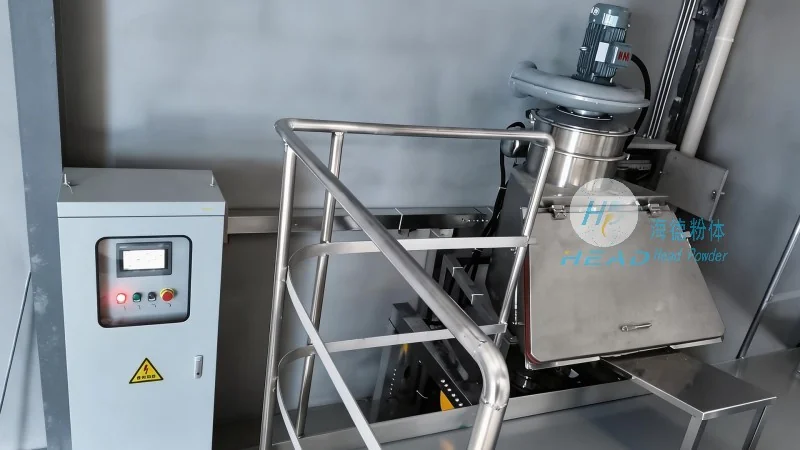
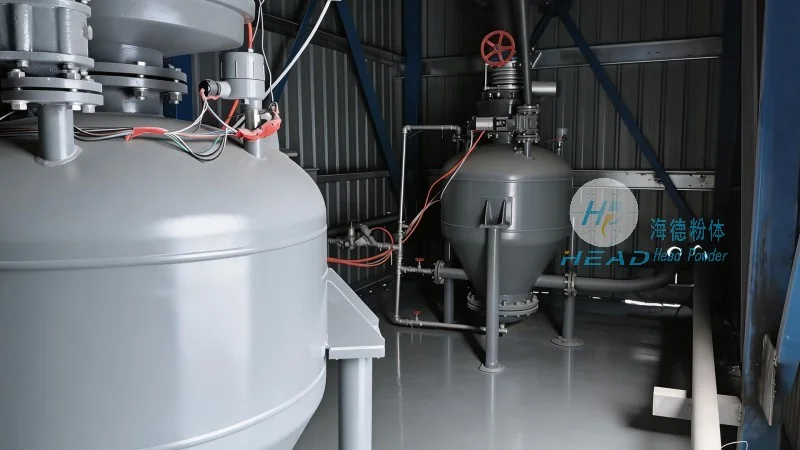
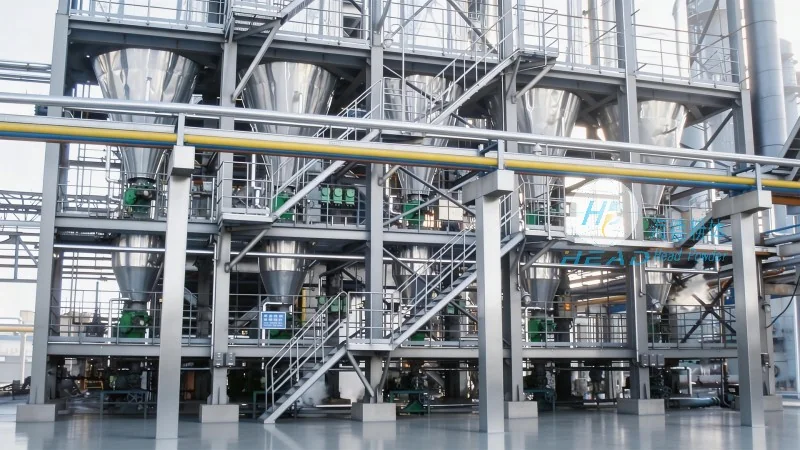
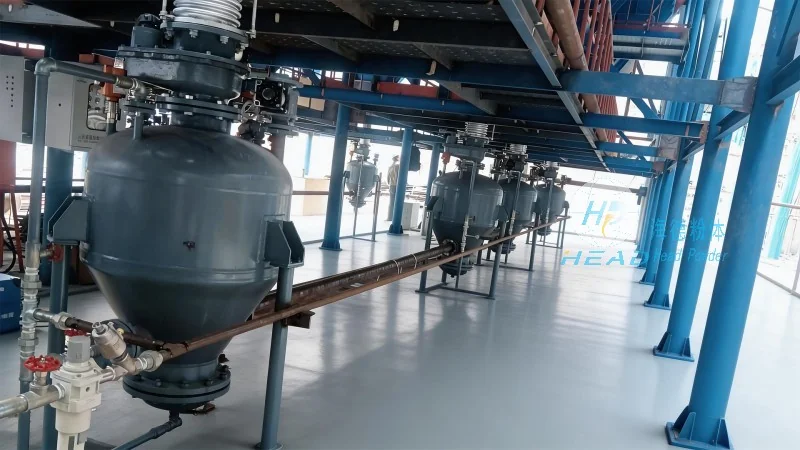
The design of a white mud powder pneumatic conveying machine typically involves several critical components that work in tandem to ensure smooth operation. The main components include a hopper for material storage, a blower or compressor to generate the air flow, a pipeline system for material transport, and a receiver or discharge unit for the final delivery of the material. The working principle is based on the creation of a low-pressure or high-pressure air stream within the pipeline. When the material is introduced into the hopper, it is drawn into the air stream by the pressure differential, and the mixture of powder and air is then conveyed through the pipeline to the discharge point. The hopper is designed to provide a sufficient volume of material to maintain a consistent flow, preventing interruptions in the conveying process. The blower or compressor is responsible for generating the necessary air pressure, which can range from low-pressure (around 0.5 to 1 bar) to high-pressure (up to 10 bar) depending on the material characteristics and conveying distance. The pipeline system is constructed from materials such as stainless steel or plastic, chosen for their resistance to corrosion and wear from the powder and air mixture. The receiver or discharge unit is equipped with a filter to separate the material from the air, ensuring that the delivered material is free from contaminants and that the air is safely vented or recycled.