

What is a Gypsum Sand Powder Pneumatic Conveyor? What Are Its Design Principles?
Understanding the fundamentals of gypsum sand powder pneumatic conveyors is crucial for industries dealing with bulk material handling. These systems are engineered to transport dry powders like gypsum and sand efficiently, leveraging pneumatic technology to move materials without mechanical components. The design principles behind these conveyors are centered on optimizing air flow, material flow, and system reliability, ensuring safe and effective operation in various industrial applications.
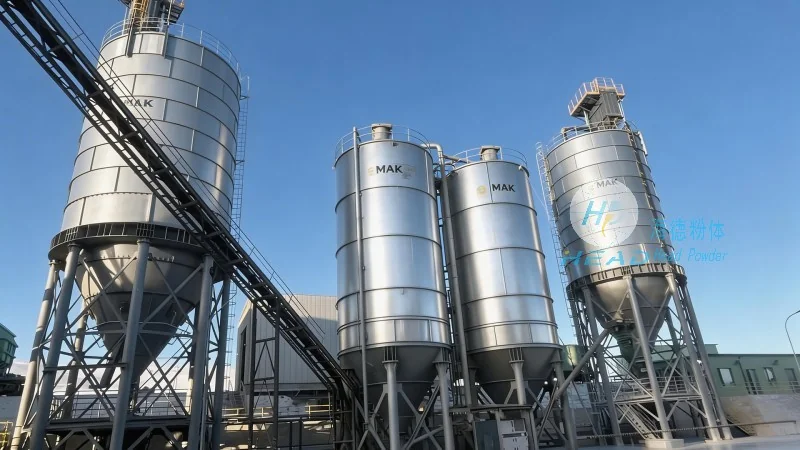
Key Components of a Gypsum Sand Powder Pneumatic Conveyor
The core components of a pneumatic conveyor system for gypsum and sand include the hopper, air compressor, delivery line, and discharge outlet. The hopper is designed to store and feed the material into the system, with a smooth interior to prevent material buildup and blockages. The air compressor generates the necessary pressure to move the material through the delivery line, which is typically made of flexible or rigid tubing. The delivery line's diameter and length are critical factors that affect the system's performance, as they determine the air velocity and material transport efficiency. The discharge outlet is where the material is released, often equipped with a control valve to regulate the flow rate.
Design Principles for Efficient Material Transport
Designing a pneumatic conveyor for gypsum sand involves several key principles to ensure optimal performance. First, the air-to-material ratio is a critical parameter, as it determines the velocity of the material in the system. A higher air-to-material ratio results in faster transport but may increase energy consumption and wear on components. Conversely, a lower ratio may reduce energy use but could lead to material settling or blockages. Engineers must balance this ratio based on the specific properties of the gypsum sand, such as particle size, density, and moisture content. Second, the system's pressure and flow rate must be carefully controlled to maintain consistent material transport. The use of pressure regulators and flow meters helps maintain stable conditions, preventing fluctuations that could disrupt the conveyor's operation. Third, the system's layout and components must be designed to minimize friction and resistance, ensuring smooth material flow. This includes using smooth surfaces, proper pipe angles, and avoiding sharp bends or narrow sections that could cause material degradation or blockages.
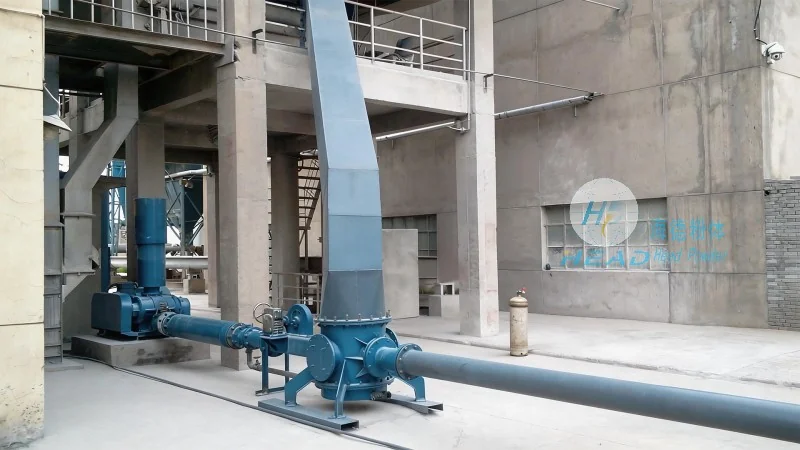
Advantages of Using Pneumatic Conveyors for Gypsum and Sand
Pneumatic conveyors offer several advantages when handling gypsum and sand compared to traditional mechanical systems. One of the primary benefits is the ability to transport materials over long distances without the need for multiple transfer points or elevators. This reduces the overall system complexity and maintenance requirements. Additionally, pneumatic systems are less prone to material contamination, as they do not involve direct contact with mechanical parts, which is particularly important for materials like gypsum that may be used in food or pharmaceutical applications. The flexibility of pneumatic conveyors also allows for easy integration into existing production lines, with the ability to adjust the system's layout or capacity as needed. Furthermore, these systems can handle a wide range of material sizes and shapes, making them suitable for various industrial processes. The energy efficiency of pneumatic conveyors, especially when using high-efficiency compressors, can also lead to cost savings over time.
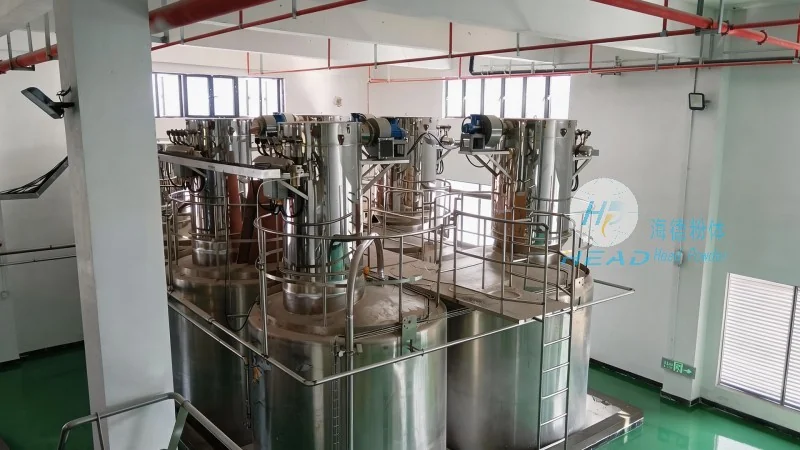
Applications in Industrial Settings
Gypsum sand powder pneumatic conveyors are widely used in various industrial applications, including construction material processing, mining operations, and chemical manufacturing. In the construction industry, these systems are used to transport gypsum and sand for wallboard production, ensuring a consistent supply of raw materials to manufacturing facilities. In mining, pneumatic conveyors are employed to move sand and other bulk materials from extraction sites to processing plants, reducing the need for heavy machinery and labor. In chemical manufacturing, the systems are used to transport gypsum and sand for the production of plaster and other building materials, maintaining a clean and efficient production process. The versatility of these conveyors makes them suitable for a wide range of applications, from small-scale operations to large industrial plants.
Conclusion and Company Overview
Gypsum sand powder pneumatic conveyors are essential equipment for industries dealing with bulk dry materials, offering efficient and reliable transport solutions. The design principles behind these systems focus on optimizing air flow, material handling, and system performance to meet the specific needs of industrial applications. By understanding the key components and design considerations, industries can select and implement the most suitable pneumatic conveyor system for their operations. Shandong HeadPowder Engineering Co., Ltd., a leading manufacturer of such equipment, specializes in providing high-quality pneumatic conveyor systems tailored to the unique requirements of each client. With a focus on innovation and customer satisfaction, HeadPowder delivers reliable and efficient solutions for material handling challenges in various industries. Located in Shandong, China, the company leverages advanced engineering and manufacturing capabilities to produce durable and effective pneumatic conveyor systems that meet international standards and industry requirements.