

What is a Polyvinyl Butyral Powder Pneumatic Conveying Machine? And What Are Its Design Principles?
For industrial applications involving the handling of polyvinyl butyral (PVB) powder, a specialized piece of equipment known as a pneumatic conveying machine is often employed. This equipment is designed to transport PVB powder efficiently and safely through a system of pipes using air or other gas as the conveying medium. The process of pneumatic conveying offers several advantages over traditional methods like belt conveyors or bucket elevators, particularly in terms of flexibility, reduced contamination risk, and the ability to handle fine powders without the need for additional mechanical components.
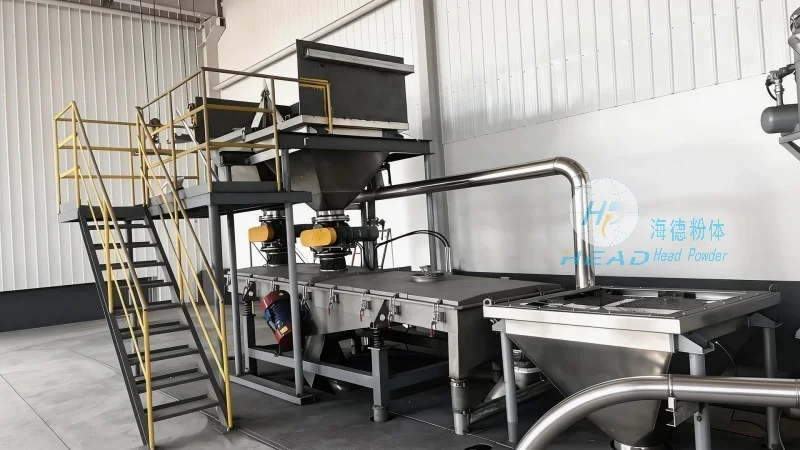
HeadPowder Engineering: Your PVB Powder Handling Solutions Provider
Shandong HeadPowder Engineering Co., Ltd. is a leading manufacturer and supplier of industrial conveying equipment, specializing in solutions tailored for the handling of polyvinyl butyral and other fine powders. With a focus on precision engineering and customer-centric design, HeadPowder provides reliable pneumatic conveying systems that meet the stringent requirements of modern manufacturing processes. The company’s expertise lies in understanding the unique properties of PVB powder—such as its hygroscopic nature and sensitivity to moisture—and designing equipment that ensures optimal performance and product integrity throughout the conveying process.
Key Components of a PVB Powder Pneumatic Conveying System
A typical PVB powder pneumatic conveying machine consists of several critical components that work in tandem to achieve efficient material transport. The primary components include a hopper for storing the PVB powder, a feeder to control the flow rate of the powder into the conveying line, a conveying line (usually made of stainless steel or other corrosion-resistant materials to prevent contamination), a venturi or other air delivery device to create the necessary airflow, and a receiver or collection tank to deposit the conveyed powder at the destination. Each component is carefully selected and engineered to handle the specific characteristics of PVB powder, ensuring that the system operates smoothly and maintains the quality of the material.
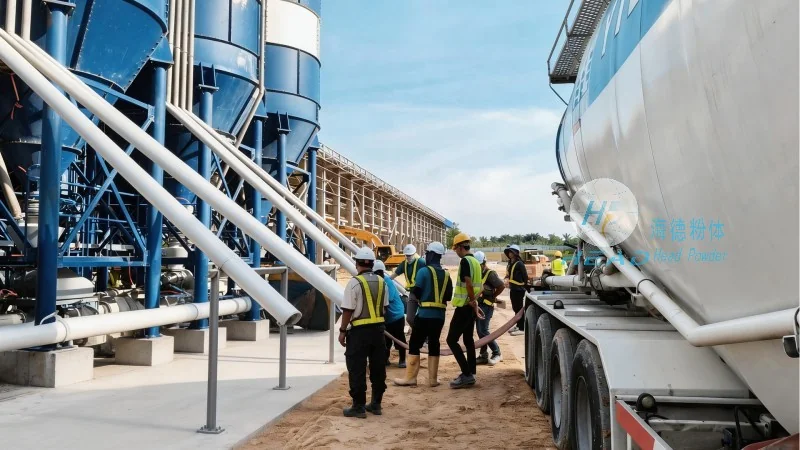
The Design Principles Behind PVB Powder Pneumatic Conveying
The design of a PVB powder pneumatic conveying machine is guided by several key principles aimed at optimizing performance, efficiency, and safety. One of the fundamental principles is the balance between the air velocity and the powder flow rate. The air velocity must be sufficient to lift and transport the PVB powder particles through the conveying line without causing excessive wear or degradation of the material. This requires precise control of the airflow, often achieved through adjustable venturis or variable-speed fans. Another critical principle is the prevention of material degradation and contamination. PVB powder is sensitive to moisture and can degrade when exposed to high temperatures or abrasive surfaces. Therefore, the conveying system is typically designed with smooth, non-porous surfaces and sealed components to minimize contact with the environment and prevent contamination. Additionally, the system is engineered to minimize pressure drops and energy consumption, ensuring that the conveying process is both efficient and cost-effective.
Advantages of Using a PVB Powder Pneumatic Conveying Machine
Implementing a pneumatic conveying system for PVB powder offers numerous advantages over traditional handling methods. First, it provides a clean and hygienic method of transporting the powder, which is essential for applications where product purity is critical, such as in the production of optical lenses or automotive windshields. The enclosed system prevents dust from escaping into the environment, reducing the risk of contamination and improving workplace safety. Second, pneumatic conveying offers greater flexibility in terms of layout and routing. The conveying line can be easily reconfigured or extended to accommodate changes in production processes or facility expansions, without the need for extensive structural modifications. Third, the system is highly efficient in terms of energy consumption, as it minimizes friction and material degradation compared to mechanical conveyors. Finally, the equipment is relatively low-maintenance, with fewer moving parts and less wear and tear, resulting in lower operational costs over the long term.
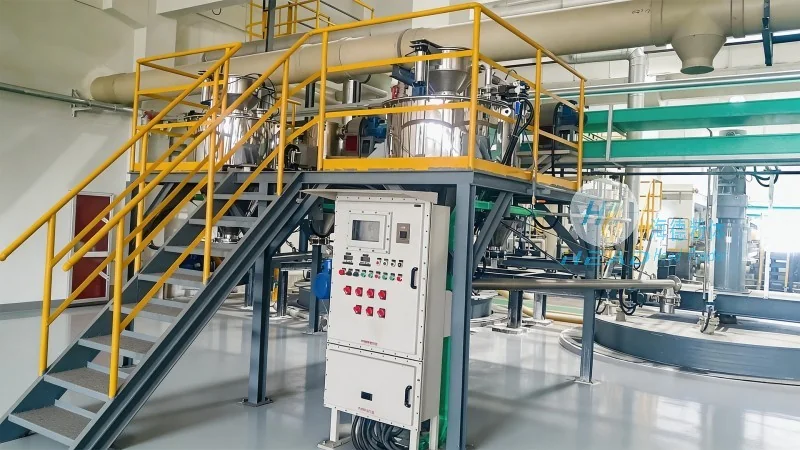
Applications of PVB Powder Pneumatic Conveying Systems
PVB powder pneumatic conveying machines are widely used in various industrial applications where PVB is a key component. One of the most common applications is in the automotive industry, where PVB is used as a bonding agent in the production of safety glass for windshields and side windows. The conveying system ensures that the PVB powder is delivered to the mixing and molding equipment in a controlled manner, maintaining the consistency and quality of the final product. Another application is in the optical industry, where PVB is used to create adhesive layers for lenses and other optical components. The pneumatic conveying system allows for precise control over the powder flow, ensuring that the adhesive layers are uniform and free from defects. Additionally, PVB powder is used in the production of adhesives, coatings, and other industrial materials, and the conveying system plays a crucial role in integrating these materials into the manufacturing process efficiently.
Conclusion: The Importance of Reliable PVB Powder Handling
In conclusion, a polyvinyl butyral powder pneumatic conveying machine is a vital piece of equipment for industries that rely on PVB powder. The design principles behind this equipment are centered on efficiency, safety, and product integrity, ensuring that the PVB powder is transported in a manner that maintains its quality and meets the stringent requirements of modern manufacturing. Shandong HeadPowder Engineering Co., Ltd. specializes in providing such systems, leveraging their expertise in PVB powder handling to deliver reliable and effective solutions for their clients. By investing in a high-quality pneumatic conveying system, manufacturers can improve their production processes, reduce costs, and enhance the overall quality of their products.