

Negative Pressure Pneumatic Conveying for Bulk Materials: What It Is and Its Design Principles
Negative pressure pneumatic conveying is a critical method used in the handling of bulk materials, particularly in industries where dust control and material containment are paramount. This technology operates by creating a vacuum or negative pressure within a system to draw material from a source, such as a hopper or storage silo, and transport it through a pipeline to a destination, like a processing unit or storage vessel. The process is distinct from positive pressure systems, as it relies on suction rather than pressure to move materials, offering advantages in terms of energy efficiency and reduced equipment wear.
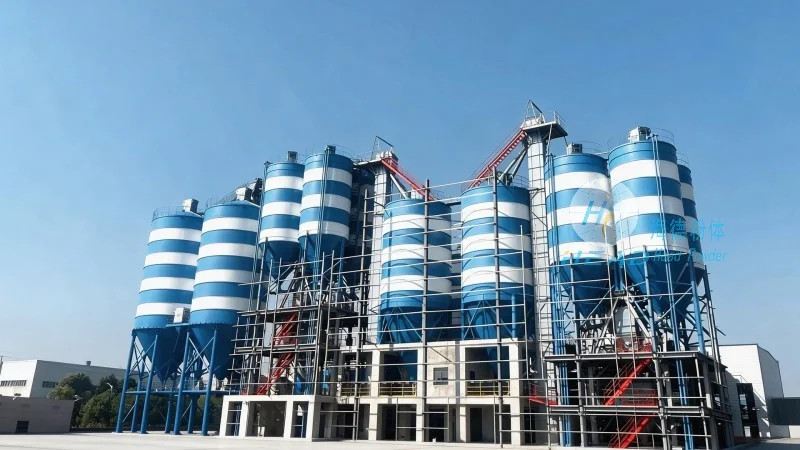
How Negative Pressure Pneumatic Conveying Works
The core of negative pressure conveying lies in the creation of a pressure differential. A fan or blower at the receiving end of the system generates a vacuum, causing air to flow from the environment into the pipeline and pulling material along with it. The material is typically introduced into the system via a feed hopper equipped with a rotary valve or a feeder that controls the flow rate. As the material moves through the pipeline, it is mixed with air, forming a slurry or a dilute stream that is then transported to the destination. At the receiving end, a separator or cyclone separates the material from the air, allowing the material to be discharged and the air to be filtered or recirculated.
Key Design Principles of Negative Pressure Pneumatic Conveying Systems
Designing an effective negative pressure conveying system involves several key principles that ensure efficiency, reliability, and safety. First, the system must be properly sized to handle the required material flow rate and the specific characteristics of the material, such as particle size, density, and moisture content. The pipeline diameter and length are critical factors, as they directly impact the pressure drop and the energy consumption of the system. Proper sealing of the system is essential to maintain the negative pressure and prevent air leakage, which can reduce efficiency and cause dust emissions. Additionally, the choice of components, such as the fan, feeder, and separator, must be tailored to the material and application to ensure optimal performance.
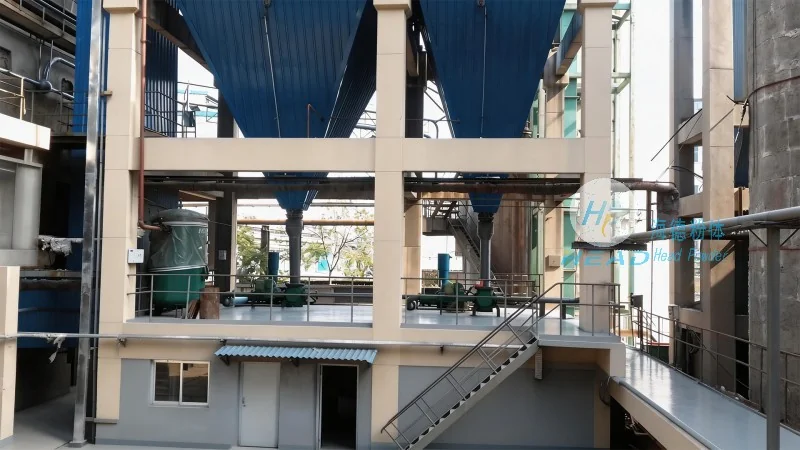
Advantages of Negative Pressure Pneumatic Conveying
One of the primary advantages of negative pressure systems is their ability to handle materials with high dust content or those that are sensitive to contamination. By drawing material from the source, the system minimizes exposure to the environment, reducing the risk of dust dispersion and improving workplace safety. Another advantage is the lower energy consumption compared to positive pressure systems, as the fan operates at a lower pressure and volume. Negative pressure conveying also offers flexibility in system layout, as the material can be drawn from multiple sources and delivered to multiple destinations, making it suitable for complex material handling applications.
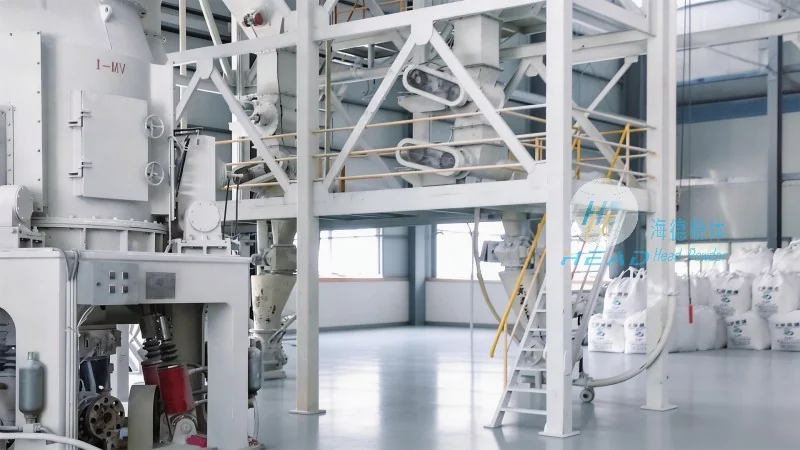
Applications of Negative Pressure Pneumatic Conveying
Negative pressure pneumatic conveying is widely used in various industries, including food processing, pharmaceuticals, chemicals, and minerals. In the food industry, it is used to handle powders and granules, such as flour, sugar, and coffee, where hygiene and dust control are critical. In the pharmaceutical industry, it is employed to transport active ingredients and other materials that require strict contamination control. The chemical industry uses negative pressure systems to handle powders and slurries, such as pigments and catalysts, while the minerals industry utilizes them for the transport of ores and other bulk materials.
Company Overview: Shandong HeadPowder Engineering Co., Ltd.
Shandong HeadPowder Engineering Co., Ltd., commonly known as HeadPowder, is a leading provider of pneumatic conveying solutions. With its headquarters in Shandong, China, the company specializes in the design, manufacturing, and installation of negative pressure and positive pressure pneumatic conveying systems. HeadPowder's expertise lies in tailoring systems to meet the specific needs of clients, ensuring optimal performance and reliability. The company's team of engineers and technicians work closely with clients to understand their material handling challenges and develop customized solutions that enhance efficiency and reduce operational costs.