

What is Tote Bag Unloading Material Pneumatic Conveying? And What Are Its Design Principles?
Tote bag unloading material pneumatic conveying is a specialized industrial process designed to efficiently transfer bulk materials from large tote bags into processing systems. This method leverages air pressure to move materials, offering advantages such as dust control, reduced manual handling, and enhanced safety in material handling operations. The technology is widely used across various industries, including chemical, pharmaceutical, food, and manufacturing, where handling powders, granules, or other bulk solids is essential. Developed and implemented by Shandong HeadPowder Engineering Co., Ltd. (headpowder), this system represents a modern solution for efficient bulk material handling.
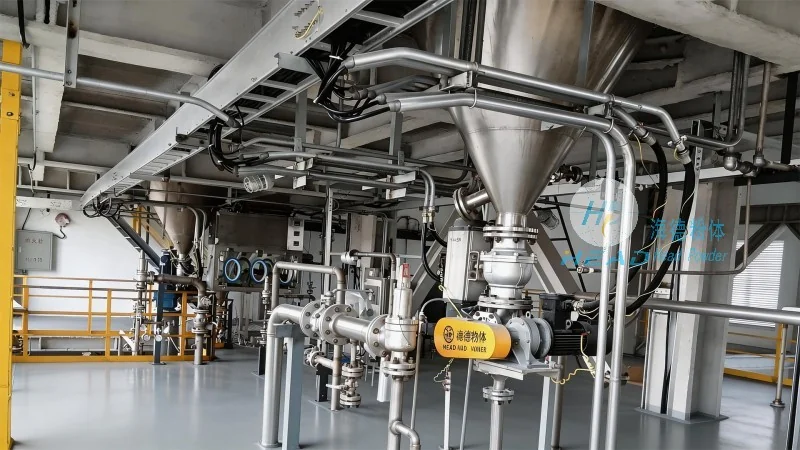
Understanding Tote Bag Unloading Material Pneumatic Conveying
Tote bag unloading material pneumatic conveying involves the use of a tote bag, typically made of durable fabric or plastic, which holds bulk materials. The process begins with the tote bag being positioned at the unloading station, where it is connected to a pneumatic conveying system. Air is then introduced into the tote bag, creating a pressure differential that forces the material to flow through a pipeline into the receiving equipment, such as a silo, hopper, or processing machine. This method eliminates the need for manual shoveling or bucketing, significantly reducing labor costs and exposure to hazardous materials.
The Core Components of Tote Bag Unloading Systems
A typical tote bag unloading material pneumatic conveying system consists of several key components that work in concert to ensure efficient material transfer. These components include the tote bag itself, an air compressor or blower to generate the necessary air pressure, a vacuum or pressure system to control the flow, a filter to capture dust and particulates, and a receiving hopper or silo to store the conveyed material. Each component plays a critical role in maintaining the system's performance and ensuring the safe handling of materials.
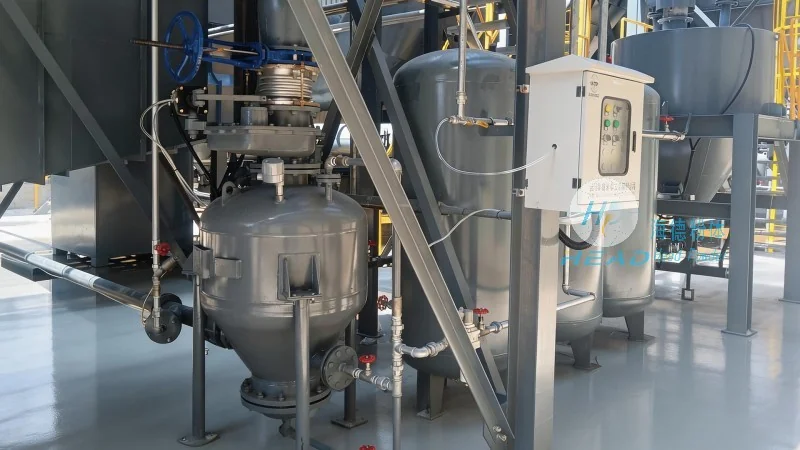
Design Principles Behind Tote Bag Unloading Material Pneumatic Conveying
The design of tote bag unloading material pneumatic conveying systems is guided by several fundamental principles aimed at optimizing efficiency, reliability, and safety. One key principle is the selection of appropriate air velocity and pressure to match the material's properties, such as particle size, density, and moisture content. This ensures that the material flows smoothly through the system without clogging or causing excessive wear on components. Another critical principle is the use of proper filtration and dust control measures to protect equipment and personnel from airborne contaminants. Additionally, the system's design considers factors like material compatibility with the conveying components, energy efficiency, and ease of maintenance to ensure long-term operational performance.
Advantages of Tote Bag Unloading Material Pneumatic Conveying
Tote bag unloading material pneumatic conveying offers numerous advantages over traditional material handling methods. One of the most significant benefits is the reduction in manual labor, as the system automates the unloading process, minimizing the risk of injury and improving workplace safety. Additionally, the method provides excellent dust control, as the material is contained within the system and filtered, reducing environmental impact and improving air quality. The system also allows for the transfer of materials over long distances without the need for intermediate storage, enhancing operational flexibility. Furthermore, the use of tote bags enables easy and cost-effective transportation of bulk materials, as they can be reused and transported between locations with minimal effort.
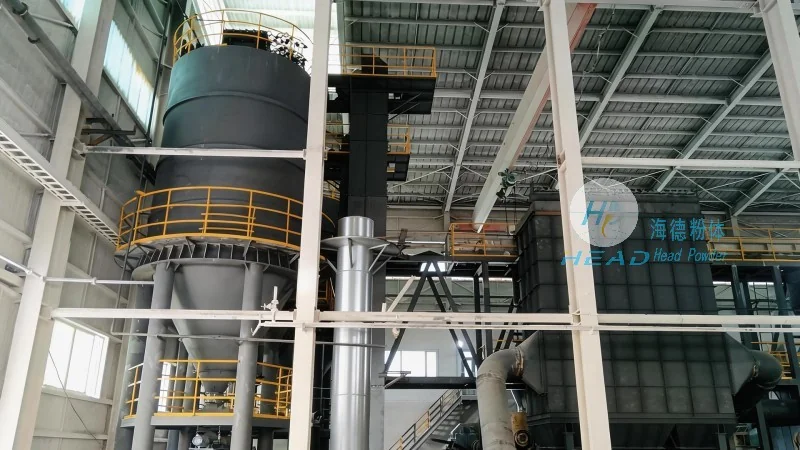
Applications and Industries Utilizing Tote Bag Unloading Material Pneumatic Conveying
Tote bag unloading material pneumatic conveying is widely applied in various industries where bulk materials need to be handled efficiently and safely. In the chemical industry, it is used to transfer powders and granules from tote bags into reactors or storage tanks. The pharmaceutical industry benefits from this technology by ensuring the hygienic and dust-free transfer of raw materials and finished products. The food industry utilizes tote bag unloading systems to handle ingredients like flour, sugar, and spices, maintaining product quality and safety standards. In manufacturing, the system is employed to transfer raw materials into production lines, improving production efficiency and reducing downtime. Other industries, such as mining and agriculture, also benefit from this technology for handling bulk solids like ores, grains, and fertilizers.
Key Considerations for Implementing Tote Bag Unloading Material Pneumatic Conveying Systems
When implementing a tote bag unloading material pneumatic conveying system, several key considerations must be addressed to ensure optimal performance and longevity. First, the material properties of the bulk material being handled must be thoroughly analyzed to determine the appropriate conveying method and system design. This includes assessing particle size distribution, density, moisture content, and flowability, as these factors directly impact the system's efficiency and reliability. Second, the system must be designed to handle the specific volume and frequency of material transfer required by the operation, ensuring that the air compressor and other components are appropriately sized. Third, proper maintenance and regular inspections are crucial to prevent system failures and ensure consistent performance. Finally, compliance with safety regulations and environmental standards must be considered to ensure the system operates within legal and ethical guidelines.