

What is Silo Material Airslide Conveying? Exploring Design Principles
For industrial operations involving bulk material handling, efficient and reliable transport systems are crucial. One such technology that has gained prominence in silo applications is airslide conveying. This method offers a cost-effective and low-maintenance solution for moving powders and granules within storage silos. Understanding the fundamentals of silo material airslide conveying, along with its design principles, is essential for optimizing material flow and enhancing operational efficiency.
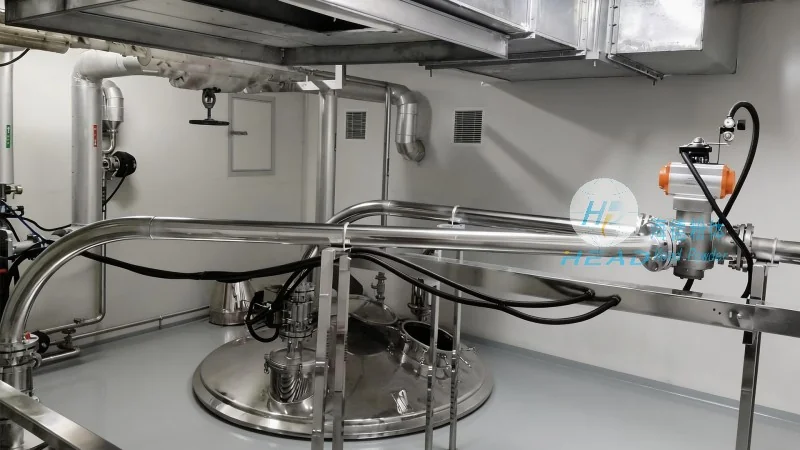
Introduction to Silo Material Airslide Conveying
Silo material airslide conveying, also known as airslide or pneumatic conveyor, is a type of bulk material handling system that utilizes air flow to move dry, free-flowing materials through a conveyor channel. The system typically consists of a hopper or silo where the material is stored, an air slide conveyor, and a discharge outlet. As air is introduced into the conveyor, it creates a low-pressure zone that lifts and transports the material along the channel. This method is particularly suitable for materials that are non-abrasive, non-corrosive, and have good flow characteristics, such as powders, granules, and fine particles.
Key Components of an Airslide Conveying System
An airslide conveying system for silos comprises several critical components that work in tandem to ensure smooth material transport. The primary components include:
1. Silo or Hopper: This is the storage vessel where the bulk material is held. The design of the silo, including its shape and size, affects the material's flow behavior and the overall efficiency of the airslide system. Proper silo design, such as incorporating cone or hopper bottom configurations, is essential to prevent material bridging and ensure consistent discharge.
2. Airslide Conveyor: The core of the system, the airslide conveyor is a long, flat channel made of materials like stainless steel, plastic, or other corrosion-resistant surfaces. The channel is perforated with small holes or slots that allow air to pass through and interact with the material. The air slide's length and slope are carefully engineered to match the material's properties and the desired conveying distance.
3. Air Supply System: This component provides the necessary airflow to create the pressure differential that moves the material. It typically includes an air compressor, a filter, and a control valve. The air supply system must be capable of delivering a consistent flow rate and pressure to maintain stable material transport without causing excessive wear or energy consumption.
4. Discharge Outlet: The end of the airslide conveyor where the material is discharged into the next processing stage or storage container. The outlet design must be compatible with the downstream equipment and prevent material spillage or blockages.
Design Principles for Efficient Airslide Conveying
The effectiveness of a silo material airslide conveying system depends heavily on its design, which must consider several key principles to ensure optimal performance. These principles include:
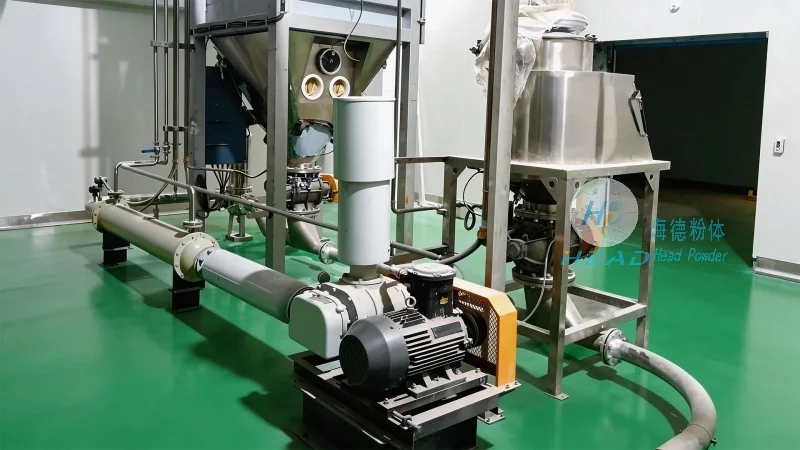
1. Material Properties Consideration: The design must account for the material's particle size, density, moisture content, and flowability. For example, cohesive materials may require a steeper slope or additional aeration to prevent bridging and ensure smooth flow. The air slide's perforation size and spacing are adjusted based on the material's particle characteristics to maintain consistent air distribution.
2. System Sizing and Scaling: The dimensions of the silo, airslide length, and air flow rate are determined based on the material's bulk density and the required conveying capacity. Proper sizing ensures that the system can handle the intended throughput without overloading or underutilizing the equipment. Scaling the system to match the operational needs of the facility is crucial for long-term efficiency.
3. Airflow Management: The air supply system must be designed to provide adequate airflow while minimizing energy consumption. The air velocity within the conveyor is carefully controlled to prevent material degradation or excessive wear on the conveyor surface. Proper airflow management also helps in maintaining a consistent material flow rate, which is vital for downstream processes.
4. Integration with Silo Design: The airslide system must be integrated seamlessly with the silo's structural and operational requirements. This includes ensuring that the airslide is positioned correctly to allow for smooth material transfer from the silo to the conveyor and that the silo's discharge mechanism complements the airslide's operation. Proper integration prevents bottlenecks and ensures the entire system operates as a cohesive unit.
Advantages of Using Airslide Conveying in Silos
Implementing an airslide conveying system in silo operations offers several advantages that contribute to improved efficiency and cost savings. These benefits include:
1. Low Maintenance and Operating Costs: Airslide systems have fewer moving parts compared to traditional mechanical conveyors, reducing the risk of mechanical failure and lowering maintenance requirements. The use of compressed air as the primary driving force also results in lower energy consumption compared to electric motor-driven systems.
2. Quiet Operation: Unlike mechanical conveyors that generate noise from moving parts, airslide systems operate quietly due to the use of air flow. This makes them suitable for applications where noise control is a priority, such as in industrial facilities located near residential areas or in enclosed processing environments.
3. Flexibility in Material Handling: Airslide conveyors can handle a wide range of materials, from fine powders to coarse granules, without the need for significant modifications. This flexibility allows for adaptability to changing operational needs or material types, making the system versatile for various industrial applications.
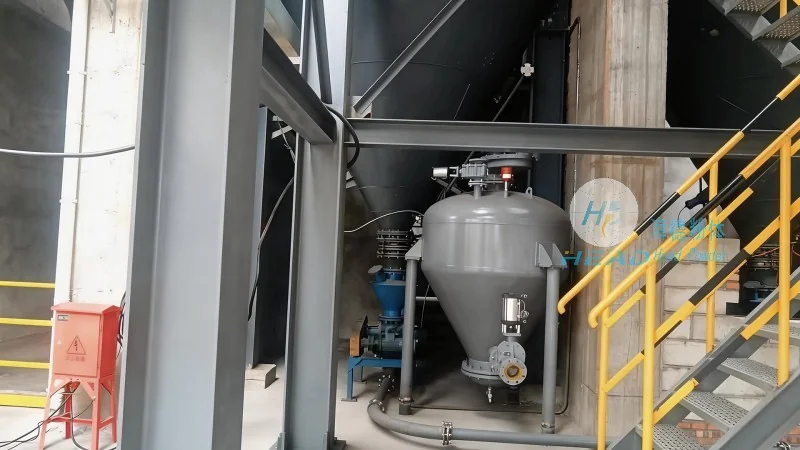
4. Space Efficiency: The compact design of airslide systems allows for installation in areas with limited space. The flat and horizontal configuration of the conveyor can be easily integrated into existing silo structures, minimizing the need for additional construction or modifications.
Applications of Silo Material Airslide Conveying
Silo material airslide conveying is widely used in various industries where bulk materials are stored and transported. Some common applications include:
1. Pharmaceutical and Food Processing: In these industries, airslide systems are used to transport powders and granules that require strict hygiene and contamination control. The system's ability to handle fine materials without generating dust or particles makes it ideal for applications such as pharmaceutical powders, food additives, and dairy products.
2. Chemical and Petrochemical Industries: Airslide conveyors are employed to move dry chemicals, fertilizers, and other bulk materials in chemical plants. The system's resistance to corrosion and ability to handle abrasive materials makes it suitable for harsh chemical environments.
3. Mineral and Mining Operations: In mining and mineral processing facilities, airslide systems are used to transport ore, minerals, and other bulk materials from storage silos to processing equipment. The system's durability and ability to handle heavy loads make it a reliable choice for demanding mining applications.
4. Paper and Pulp Industries: Airslide conveyors are utilized in paper mills to transport pulp, paper fibers, and other bulk materials. The system's low maintenance and ability to handle fine particles make it an efficient solution for paper and pulp processing operations.
Conclusion
Silo material airslide conveying is a highly effective and versatile method for transporting bulk materials within storage silos. By understanding the design principles and key components of an airslide system, industrial facilities can optimize their material handling processes, reduce operational costs, and enhance overall efficiency. The technology's advantages, including low maintenance, quiet operation, and flexibility, make it a preferred choice for various industries. As a leader in bulk material handling solutions, Shandong HeadPowder Engineering Co., Ltd. specializes in designing and manufacturing airslide conveying systems tailored to meet the specific needs of industrial applications, ensuring reliable and efficient material transport for clients worldwide.