

What is Polysilicon Material Pneumatic Conveying? And What Are the Design Principles?
Polysilicon material pneumatic conveying is a critical process in the manufacturing and handling of high-purity silicon, a key component in the production of solar panels and semiconductor devices. This method involves transporting solid particles, such as polysilicon, through a pipeline using pressurized air or other gas streams. The technology is widely used in the chemical and materials industries to move materials efficiently and safely, minimizing contamination and operational risks.
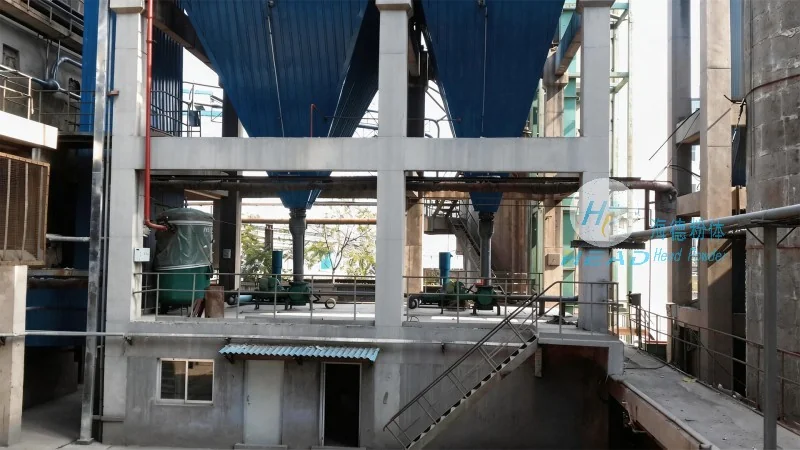
Understanding Polysilicon Material Pneumatic Conveying
At its core, pneumatic conveying systems for polysilicon materials are designed to transport fine or granular solids like polysilicon powder or small pellets. The process relies on the principle of creating a flow of air or gas that can carry the material through a closed system of pipes. This method is particularly advantageous for handling sensitive materials like polysilicon, which require strict control over moisture, temperature, and contamination levels.
Key Components of Polysilicon Pneumatic Conveying Systems
The design of a polysilicon pneumatic conveying system typically includes several essential components. These include a material feed hopper or silo to store and feed the polysilicon, a conveying line (usually made of stainless steel or other corrosion-resistant materials to prevent contamination), a blower or compressor to generate the necessary air pressure, and a receiver or collection tank to deposit the conveyed material. Additionally, systems may incorporate filters, cyclones, or other separation devices to ensure the material is delivered in a clean and controlled manner.
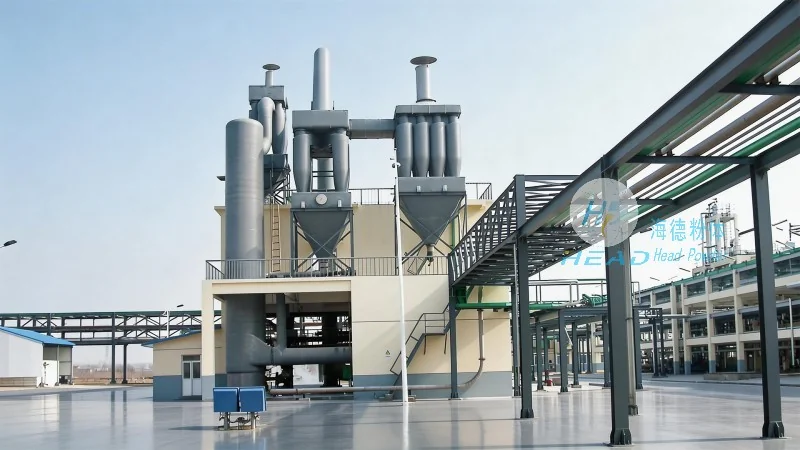
Design Principles for Efficient Polysilicon Material Transport
Efficient design of polysilicon pneumatic conveying systems adheres to several key principles to ensure optimal performance and material integrity. One of the primary considerations is the velocity of the conveying air, which must be sufficient to lift and transport the polysilicon particles without causing excessive wear on the system components or degradation of the material. The system design also takes into account the particle size and density of the polysilicon, as these factors influence the required air pressure and flow rates.
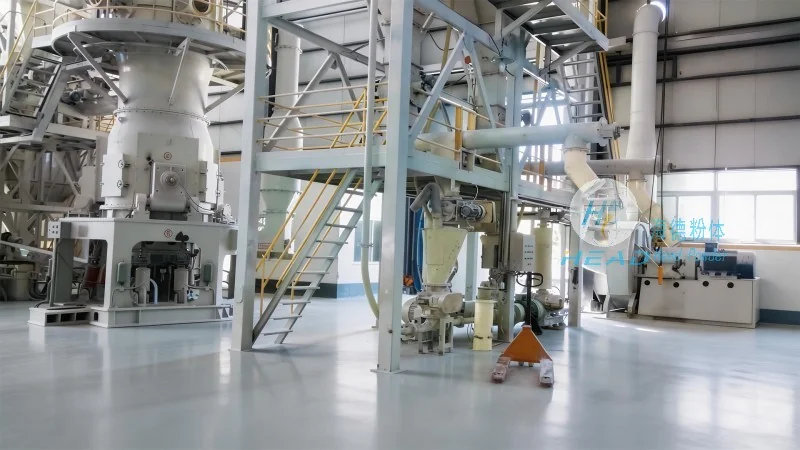
Another critical design principle is the prevention of material degradation or contamination. This is achieved through the use of clean, dry air or gas, as well as the selection of materials for the conveying line and components that are resistant to chemical reactions with the polysilicon. The system may also include features such as temperature control and moisture removal to maintain the purity of the material throughout the conveying process.
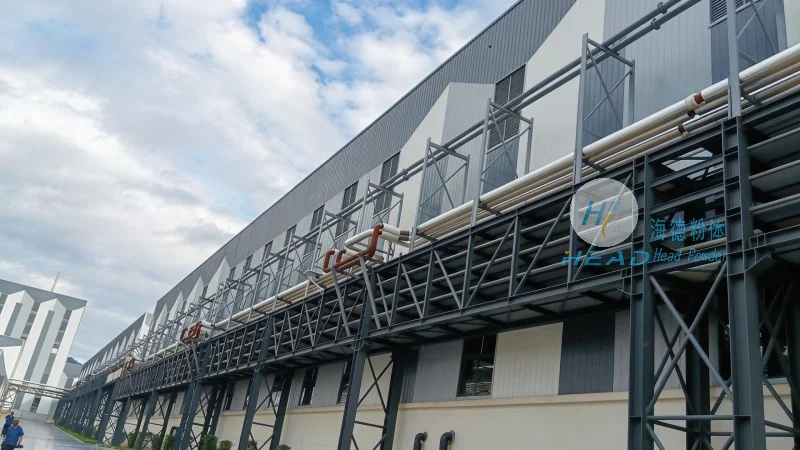
Applications and Benefits in the Polysilicon Industry
Polysilicon material pneumatic conveying is widely applied in the production lines of solar panel manufacturers and semiconductor companies. The primary benefits of this technology include improved material handling efficiency, reduced labor costs, and enhanced safety compared to traditional methods like manual handling or mechanical conveyors. Additionally, pneumatic conveying systems can be integrated into automated production lines, allowing for seamless material transfer between processing stages and minimizing downtime.
About Shandong HeadPowder Engineering Co., Ltd.
Shandong HeadPowder Engineering Co., Ltd., commonly known as HeadPowder, is a leading provider of engineering solutions for material handling and processing in the chemical and materials industries. With a focus on innovation and quality, HeadPowder specializes in designing and manufacturing advanced pneumatic conveying systems tailored to the specific needs of clients, including those in the polysilicon sector. The company's headquarters is located in Shandong, China, where it leverages local expertise and resources to deliver reliable and efficient solutions for material transport and processing.