

What is Coffee Bean Material Pneumatic Conveying? And What Are Its Design Principles?
Pneumatic conveying is a critical process in the coffee industry, especially for handling coffee beans from one stage to another. It involves the use of air to transport solid materials, such as coffee beans, through a pipeline system. This method is widely adopted in coffee processing plants due to its efficiency, cleanliness, and ability to handle delicate products without causing damage. Understanding the fundamentals of coffee bean material pneumatic conveying is essential for optimizing coffee production and ensuring product quality.
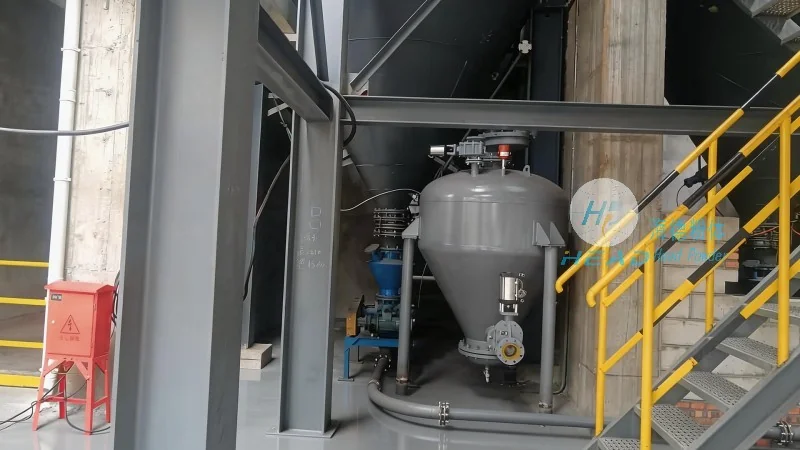
The Core Principles of Pneumatic Conveying Systems
The design of a coffee bean pneumatic conveying system is based on several key principles. The primary mechanism is the use of air pressure or vacuum to move the coffee beans. There are two main types of pneumatic conveying systems: pressure and vacuum. Pressure systems use compressed air to push the material through the pipeline, while vacuum systems use a vacuum to pull the material. The choice between these systems depends on factors such as the distance to be covered, the quantity of material to be conveyed, and the characteristics of the coffee beans.
Key Components in Coffee Bean Pneumatic Conveying Systems
Effective coffee bean pneumatic conveying relies on several essential components. The main parts include the hopper or feeder, which holds the coffee beans and feeds them into the system. The conveyor itself, which can be a pipeline or a series of connected pipes, transports the beans. The air source, which provides the necessary air pressure or vacuum, is another critical component. Additionally, there are control devices, such as valves and regulators, that manage the flow of air and material. Filters and cyclones are also used to separate the coffee beans from the air, ensuring that the system operates efficiently and maintains product purity.
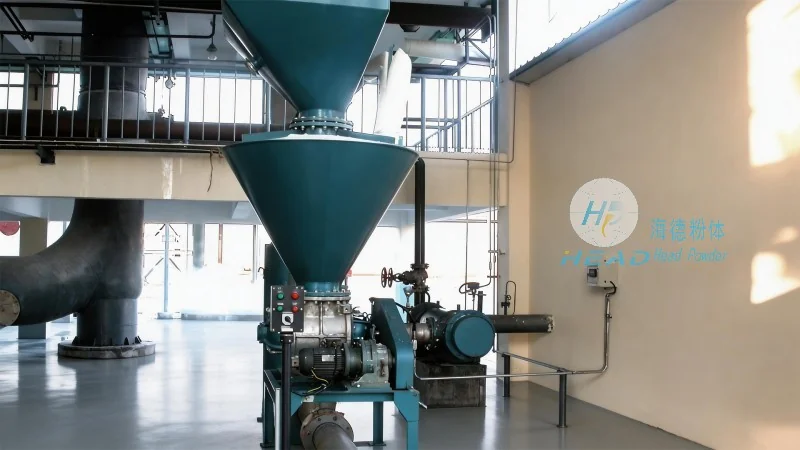
Design Considerations for Coffee Bean Pneumatic Conveying
Designing a coffee bean pneumatic conveying system requires careful consideration of various factors. The first is the material characteristics of the coffee beans. Coffee beans are irregularly shaped and have a certain density, which affects how they are conveyed. The system must be designed to handle these characteristics without causing blockages or damage. The second consideration is the distance and layout of the conveying line. The length and direction of the pipeline will impact the air pressure or vacuum required. The third factor is the capacity of the system. The system must be able to handle the volume of coffee beans that need to be transported at a given time. Finally, the system must be designed for easy maintenance and cleaning, as coffee beans can be sticky and may leave residue in the pipes.
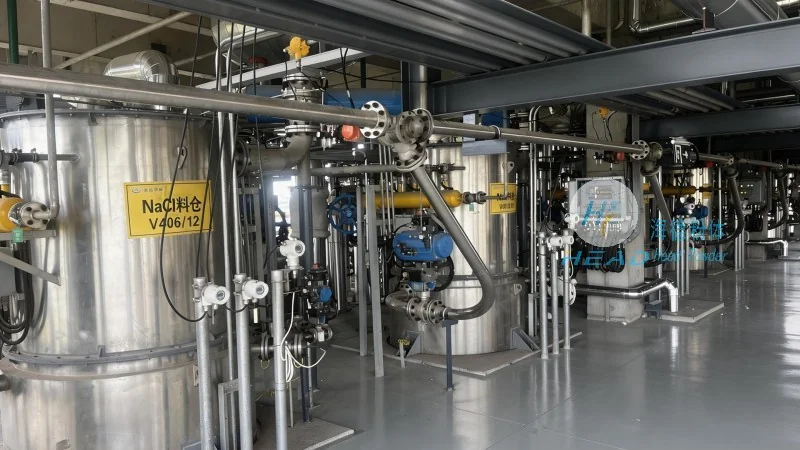
HeadPowder's Expertise in Coffee Bean Pneumatic Conveying Solutions
Shandong HeadPowder Engineering Co., Ltd. specializes in providing high-quality pneumatic conveying solutions for the coffee industry. With years of experience in the field, HeadPowder has developed a range of systems tailored to the specific needs of coffee processing plants. The company's engineers work closely with clients to understand their requirements and design systems that are efficient, reliable, and cost-effective. HeadPowder's solutions are designed to meet the highest standards of quality and safety, ensuring that coffee beans are transported without damage and that the system operates smoothly.
Benefits of Using Coffee Bean Pneumatic Conveying Systems
Implementing a coffee bean pneumatic conveying system offers several benefits. First, it improves efficiency by reducing the time and labor required to transport coffee beans. The system can transport large quantities of beans quickly and with minimal human intervention. Second, it enhances product quality by preventing damage to the beans. Unlike traditional methods, such as belt conveyors, pneumatic conveying does not cause abrasion or breakage, which can affect the flavor and quality of the coffee. Third, it improves hygiene and cleanliness. The system is enclosed, which prevents contamination from the environment and makes cleaning easier. Finally, it reduces energy consumption compared to other methods, making it an environmentally friendly option.