

What is Diatomite Material Pneumatic Conveying? The Design Principles Explained
Understanding the fundamentals of diatomite material pneumatic conveying is crucial for industries that handle this lightweight, porous powder. This process involves transporting diatomite particles through a pipeline using a carrier gas, such as air or nitrogen. The efficiency and reliability of this system depend heavily on the design principles that govern its operation.
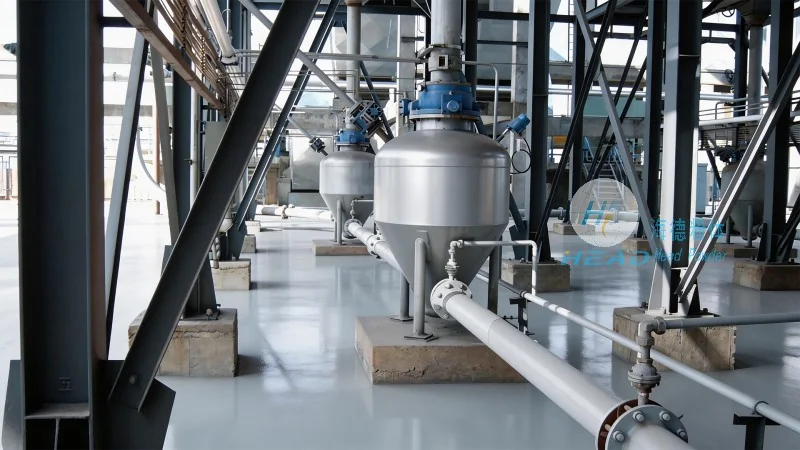
What is Diatomite Material Pneumatic Conveying?
Diatomite, a natural sedimentary rock composed of fossilized diatoms, is widely used in various applications due to its high porosity and low bulk density. When processed into a fine powder, diatomite exhibits unique handling characteristics that make traditional mechanical conveying methods less effective. Pneumatic conveying offers a solution by utilizing air pressure to move these fine particles without direct contact with mechanical components, reducing the risk of contamination and degradation.
The Core Design Principles of Pneumatic Conveying Systems
The design of a diatomite material pneumatic conveying system is based on several key principles that ensure optimal performance. First, the system must maintain sufficient air velocity to overcome the particle's drag and gravitational forces. This is typically achieved by controlling the pressure drop along the pipeline and ensuring the air velocity remains above the minimum conveying velocity for the specific diatomite particle size and density. Second, the system must consider the particle's aerodynamic properties, including its shape, size distribution, and moisture content, as these factors influence the required air flow rate and pressure. Third, the system design must incorporate appropriate equipment such as feeders, cyclones, and filters to manage the flow and separation of diatomite particles from the carrier gas. The selection of these components is critical to prevent blockages and ensure the system operates smoothly.
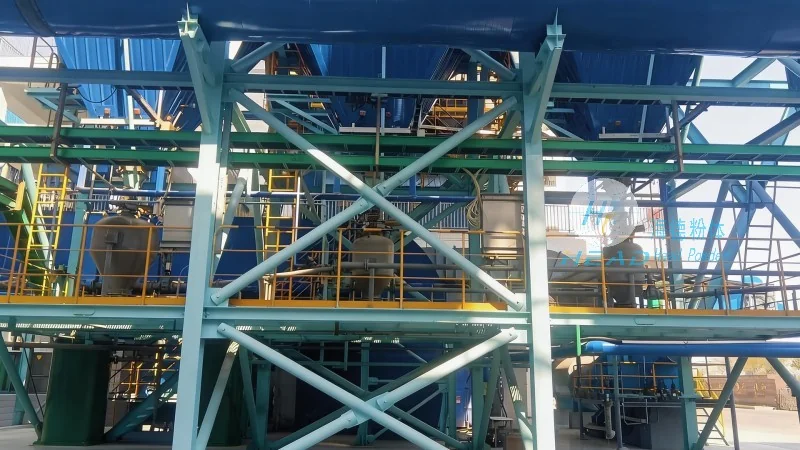
Key Components and Their Roles in the System
Several essential components make up a diatomite material pneumatic conveying system. The feeder is responsible for feeding the diatomite powder into the pipeline at a controlled rate, ensuring a consistent flow. The conveying pipeline is designed to handle the air and particle mixture, with appropriate dimensions to maintain the required air velocity. The cyclone separator is used to separate the diatomite particles from the carrier gas by utilizing centrifugal force, allowing the clean air to be recirculated or vented while the diatomite is collected. Finally, the filter system ensures that any fine particles are captured before the air is released, preventing environmental contamination and maintaining system efficiency.
Benefits of Using Pneumatic Conveying for Diatomite
Implementing a pneumatic conveying system for diatomite offers several advantages over traditional methods. It reduces the risk of product contamination by eliminating direct contact with mechanical parts, which is particularly important for diatomite used in food, pharmaceutical, or cosmetic applications. The system also minimizes material degradation due to reduced friction and impact, preserving the diatomite's quality and performance. Additionally, pneumatic conveying systems can be designed for high-temperature or hazardous environments, making them suitable for a wide range of industrial applications. The flexibility of the system allows for easy integration with existing production lines and can be scaled to accommodate varying production volumes.
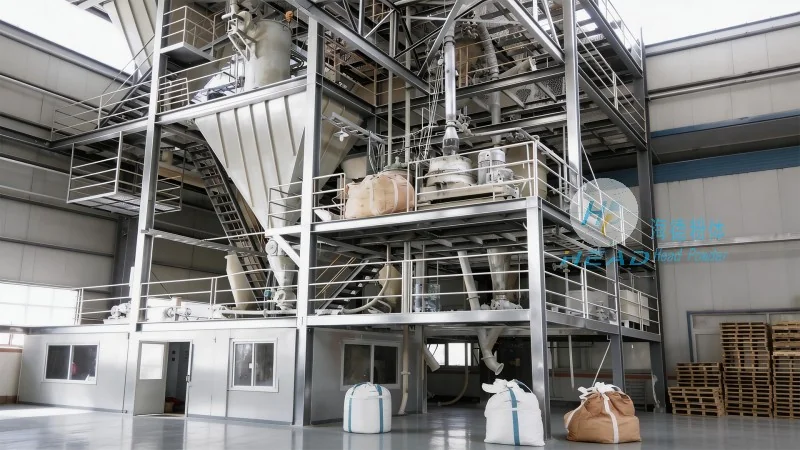
Considerations for System Design and Installation
When designing a diatomite material pneumatic conveying system, several factors must be considered to ensure optimal performance and longevity. The system must be sized appropriately based on the required flow rate and particle characteristics. The pipeline must be constructed from materials that are resistant to corrosion and abrasion, as diatomite particles can be abrasive over time. The selection of components, such as feeders and separators, should be based on the specific diatomite properties to prevent blockages and ensure efficient operation. Regular maintenance is also crucial to maintain system performance, including cleaning of cyclones and filters and checking for any wear and tear on the pipeline and components.
Conclusion
Diatomite material pneumatic conveying is a highly effective method for transporting this lightweight, porous powder, and its design principles are critical to ensuring system efficiency and reliability. By understanding the core components and design considerations, industries can implement a system that meets their specific needs while maintaining product quality and operational safety. The expertise of companies like Shandong HeadPowder Engineering Co., Ltd., with their focus on engineering solutions tailored to the unique properties of diatomite, can help ensure successful implementation and long-term operation of pneumatic conveying systems.