

What is the Pneumatic Conveying of Zinc Calcine Material? What Are the Design Principles?
Understanding the pneumatic conveying of zinc calcine material is crucial for efficient material handling in industrial processes. This technology involves transporting bulk materials like zinc calcine through a pipeline using a gas stream, typically air. The design principles behind such systems are essential for ensuring optimal performance, reliability, and cost-effectiveness in various industrial applications.
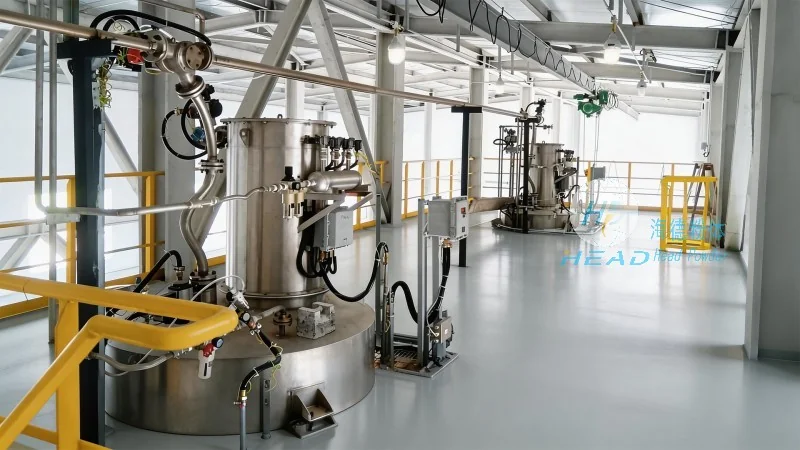
Introduction to Zinc Calcine Pneumatic Conveying
Zinc calcine, a byproduct of zinc smelting, is a fine, powdery material that requires specialized handling due to its properties. Pneumatic conveying offers a solution to transport this material from one location to another without the need for mechanical components like belts or buckets. The process relies on the force of a moving air stream to move the material through a sealed system, making it ideal for applications where dust control and material purity are critical.
Key Design Principles for Zinc Calcine Conveying Systems
The design of a zinc calcine pneumatic conveying system involves several critical principles that ensure efficient operation. First, the selection of the appropriate conveying velocity is vital. The velocity must be high enough to prevent material deposition but low enough to avoid excessive wear on the system components. This balance is achieved by calculating the minimum conveying velocity based on the material's density, particle size, and flow characteristics.
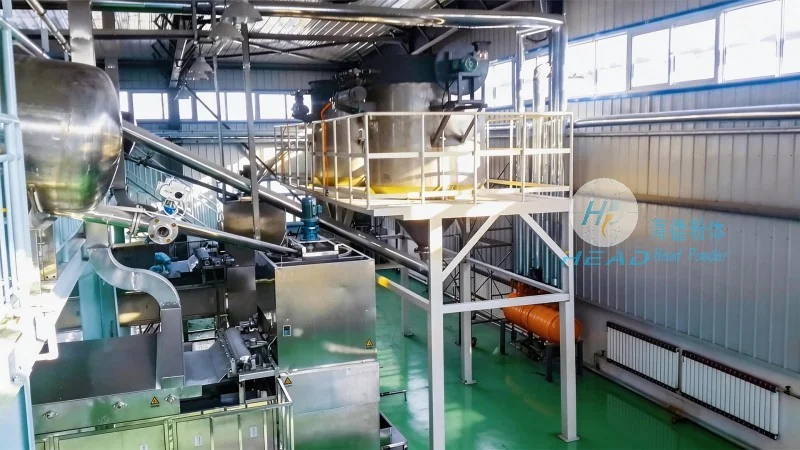
Second, the system's pressure and flow rate are carefully engineered. Positive pressure systems, where air is forced through the material, are commonly used for zinc calcine due to their ability to handle fine powders and prevent dust emissions. The pressure levels are determined based on the distance the material needs to travel and the system's overall resistance. Additionally, the use of appropriate pipe diameters and bends is crucial to minimize pressure losses and maintain consistent flow.
Components and Their Roles in the Conveying System
A typical zinc calcine pneumatic conveying system consists of several key components. The feed hopper is responsible for storing and feeding the material into the system. It is designed to prevent material bridging and ensure a consistent flow rate. The air compressor or blower provides the necessary pressure and flow of air to move the material. The pipeline system, made of materials resistant to corrosion and abrasion, transports the material and air mixture. The receiver or discharge hopper collects the material at the end of the conveying line. Finally, the control system monitors and adjusts the pressure, flow rate, and other parameters to maintain optimal operation.
Benefits of Using Pneumatic Conveying for Zinc Calcine
Implementing a pneumatic conveying system for zinc calcine offers numerous benefits. One of the primary advantages is the ability to handle fine powders without the need for additional equipment like conveyors or elevators. This reduces the risk of material degradation and contamination. Additionally, the sealed system prevents dust emissions, which is crucial for maintaining a safe and clean working environment. The system also offers flexibility in terms of layout, as the pipeline can be installed in various configurations to suit the plant's layout. Furthermore, the low maintenance requirements and long service life of the components contribute to cost savings over time.
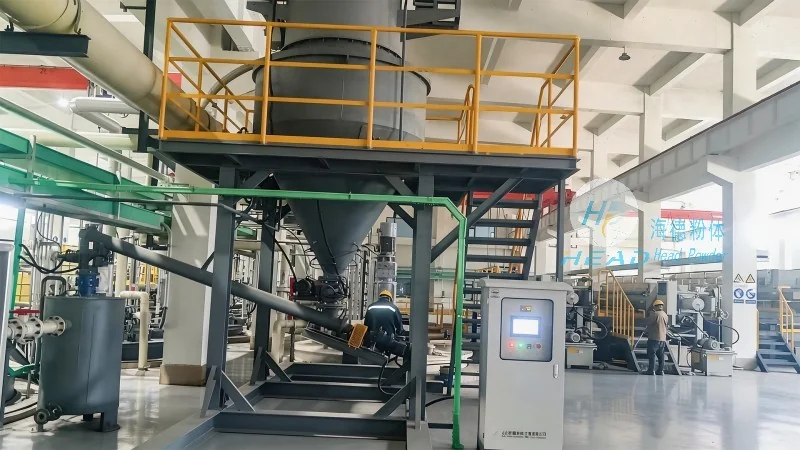
Application Examples in Industrial Settings
Zinc calcine pneumatic conveying systems are widely used in various industrial settings. For example, in zinc smelting plants, the system is used to transport calcine from the roasting furnace to the leaching or filtration stages. In chemical processing facilities, the system is used to move calcine to storage silos or processing units. The versatility of the system makes it suitable for a range of applications where efficient material handling is essential.
Conclusion and Company Overview
The pneumatic conveying of zinc calcine material is a sophisticated technology that requires careful design and engineering to ensure optimal performance. The principles discussed, including appropriate velocity, pressure management, and component selection, are critical for the success of such systems. As a leading provider in the field, Shandong HeadPowder Engineering Co., Ltd. specializes in designing and manufacturing customized pneumatic conveying solutions tailored to the specific needs of industrial clients. With a focus on quality, reliability, and innovation, HeadPowder offers comprehensive services to help industries improve their material handling processes and enhance overall operational efficiency.